How I Stopped Taking Work Home Every Night (And You Can Too)
Last Tuesday, my husband Carlos looked at me funny when I walked through the door at 6:30 PM with just my purse and lunch bag. No tote bag stuffed with papers. No laptop case. No stack of math journals balanced precariously under my chin.
"¿Dónde están todos tus papeles?" he asked, genuinely confused.
I realized then that for the first time in maybe ever, I had nothing to grade, no lessons to plan, and no work emails calling my name. And you know what? The world didn't end.
The Tipping Point
It took me twenty-two years to get here, and honestly, I'm a little embarrassed it took so long. But maybe my struggle can save you some time (and some marriage counseling sessions).
The wake-up call came three months ago when my daughter Daniela was home from college for spring break. She wanted to go shopping and grab lunch, just the two of us. But there I was at the kitchen table at 10 AM on a Saturday, surrounded by math assessments and sticky notes, telling her "just give me thirty more minutes, mija."
Two hours later, she gave up and went to the beach with friends instead.
That night, I had a good cry and a long talk with myself. Something had to change.
The Brutal Truth About Teacher Martyrdom
Here's what I learned the hard way: staying late and taking work home doesn't make you a better teacher. It makes you a tired teacher.
We've somehow convinced ourselves that suffering equals caring. That if we're not exhausted, we're not doing enough for our kids. But when I really looked at my most effective teaching moments, they happened when I was rested, creative, and present.
Not when I was grading papers at midnight while my family watched Netflix without me.
My Five Non-Negotiable Changes
After some serious soul-searching (and a few conversations with teachers who seemed to have their act together), I implemented five changes that completely transformed my work-life balance.
1. I Set a Hard Stop Time
Every day at 4:30 PM, I leave school. Period. No exceptions, no "just five more minutes."
At first, this felt impossible. But you know what happened? I got more done between 3:30 and 4:30 than I used to accomplish in two hours at home. There's something magical about a deadline that forces you to focus.
2. I Stopped Grading Everything
This was huge for me. I used to grade every single assignment, every exit ticket, every scrap of work my students produced. Why? Because that's what I thought good teachers did.
Now I grade strategically. I look for patterns, not perfection. I use quick checks and student self-assessments. I grade one solid assignment per week thoroughly instead of twenty assignments superficially.
My students are learning just as much, maybe more, because my feedback is more meaningful.
3. I Batch Similar Tasks
Mondays are for lesson planning. Tuesdays are for grading. Wednesdays are for copying and prep. You get the idea.
Instead of jumping between tasks all week (and taking half-finished work home), I focus on one type of work at a time. It's amazing how much faster you can grade when you're not stopping every ten minutes to make copies or update your lesson plans.
4. I Embraced "Good Enough"
Perfectionist teachers, this one's for you. Your bulletin boards don't need to look like Pinterest. Your lesson plans don't need to be novels. Your classroom doesn't need to be Instagram-ready.
Good enough is actually great when it means you have energy left for what really matters: teaching kids and having a life outside room 237.
5. I Started Using My Prep Period for Prep
Revolutionary concept, right? But how many of us spend prep time covering for absent colleagues, having meetings, or just decompressing from the morning?
I guard my prep time like a mama bear now. It's sacred. It's when I get tomorrow ready so I don't have to think about it at home.
The Sunday Reset That Changed Everything
Sunday nights used to fill me with dread. The pile of work waiting for Monday felt overwhelming.
Now I spend exactly one hour on Sunday doing what I call my "week preview." I look at my lesson plans, make sure I have what I need, and do any quick prep that will make Monday smoother.
One hour. That's it. Then I close the laptop and don't think about school again until I walk through those doors Monday morning.
What I Do When the Guilt Creeps In
Because it does creep in, especially during testing season or when a lesson doesn't go as planned.
I remind myself that my students need a teacher who's energized and present more than they need a teacher who's martyred herself on the altar of perfectionism. They need someone who models healthy boundaries and self-care.
Plus, when I'm well-rested and happy, I'm more creative, more patient, and more fun to be around. My classroom management is better. My lessons are more engaging. Everything improves when I'm not running on fumes.
The Ripple Effects
The changes in my home life have been incredible. Carlos and I actually talk at dinner now instead of me grading papers while eating. I'm present for Marcus's basketball games instead of checking email on the sidelines.
But the biggest surprise? My teaching got better, not worse. When you have limited time, you get laser-focused on what really matters. You stop wasting energy on busy work and start investing it in the stuff that moves kids forward.
Start Small, Start Tomorrow
You don't have to overhaul your entire life overnight. Pick one thing from my list and try it for a week. Maybe it's leaving at 4:30 one day this week. Maybe it's not grading every exit ticket.
The point is to start somewhere. Your family misses you. Your hobbies miss you. Heck, you probably miss you.
Teaching will always expand to fill whatever time you give it. The trick is deciding how much time that should be and sticking to it.
Your students will be fine. Your principal will survive. The papers will get graded (the important ones, anyway).
But you? You deserve to have a life outside these classroom walls. Don't wait twenty-two years like I did to claim it.
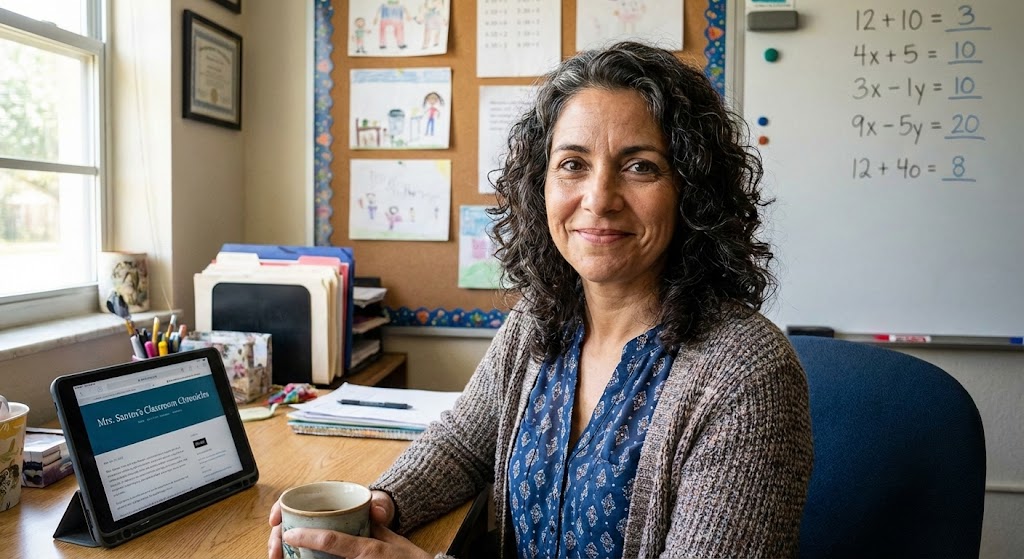
Maria Santos
Maria has been teaching 4th grade in Tampa, Florida for 22 years. Known as "the math whisperer" among her colleagues, she writes about the real challenges and victories of teaching in Florida's public schools.
When she's not grading papers or creating lesson plans, you can find Maria at her local teacher supply store (with coupons in hand) or sharing teaching tips over cafecito with her teacher friends.
View Full Profile →Related Articles
How I Finally Stopped Taking Work Home Every Night (And You Can Too)
Teacher advice: Last Tuesday, Carlos looked at me across the dinner table and said, "Mija, is that a...
The End-of-Year Honest Look in the Mirror Every Teacher Needs to Take
Teacher advice: Last June, I was cleaning out my desk and found a sticky note I had written to mysel...
Ready to Improve Your FAST Scores?
Upload your class data and get personalized IXL success plans in seconds.
Try It Free