January is the Real First Day of School
Let me tell you something that might sound crazy coming from a teacher with 22 years under her belt: I've given up on August being the "real" start of the school year.
Sure, we show up with our fresh bulletin boards and perfectly organized classroom libraries. We smile for back-to-school night photos and talk about fresh starts. But honestly? Those first few months are just survival mode with better decorations.
January, though. January is when the magic actually begins.
The August Illusion
Don't get me wrong, I used to be all about that August energy. I'd spend my summer break (what little of it survived professional development and classroom prep) creating elaborate systems and detailed lesson plans. I'd imagine my students walking in ready to learn, organized, and eager to tackle fourth grade.
Ay, dios mío, was I naive.
What actually happens in August? We're all sweating through our cute first-day outfits because it's still 95 degrees in Tampa. The kids are mourning summer freedom. Half my class doesn't have their school supplies yet because back-to-school shopping happened during that first paycheck in September.
And let's be real about those first few months. We're establishing routines, figuring out who needs what, and honestly just trying to keep everyone alive until winter break. October flies by in a blur of Halloween parties and parent conferences. November disappears into Thanksgiving prep and early holiday chaos.
By December, we're all running on fumes and counting down to winter break like it's New Year's Eve.
Why January Changes Everything
But then January hits, and something shifts.
The kids come back different. They've had two weeks to miss school (yes, some of them actually do miss us). They've processed those first few months of fourth grade expectations. They know where the bathroom passes are, they've figured out my "teacher look," and they're ready to actually learn instead of just surviving.
I've noticed this pattern year after year. In January, my struggling readers start taking more risks. My math-anxious kids stop shutting down when I pull out the multiplication charts. Even my most challenging students seem to settle into their groove.
Last year, I had this student, Miguel, who spent August through December convinced he was "bad at everything." No matter how much I encouraged him, he'd shut down the moment something felt hard. Then we came back from winter break, and it was like a switch flipped. He started asking questions, attempting problems, even volunteering to share his thinking.
The Teacher Reset
Here's what I've learned: January isn't just a reset for students. It's a reset for us too.
By January, we know our kids. Really know them. We've seen who needs extra processing time, who works better standing up, and who's dealing with stuff at home that makes Monday mornings rough. We've moved past the honeymoon phase and the testing phase into actual relationship building.
We also know what's working in our classroom and what needs to be tossed out the window. That elaborate behavior chart I spent hours creating in August? Probably gathering dust by now. But that impromptu brain break dance I discovered in October? That's gold, and I'm keeping it.
Making January Count
So how do we capitalize on this January energy? Here's what works in my classroom:
Start with reflection, not resolutions. Instead of jumping into new goals, I spend the first week back having honest conversations with my students about what's working and what isn't. They're surprisingly insightful when you actually ask them.
Refresh your physical space. I don't mean redecorate everything, pero maybe move some desks around, create a new cozy reading corner, or finally put up that anchor chart you've been meaning to make. Small changes feel big to kids.
Introduce one new routine. Not five new systems, just one. Maybe it's a different way to start morning meeting or a new strategy for transitioning between activities. Pick something that addresses a real problem you've identified.
Celebrate the growth. Take time to show students how much they've learned since August. Pull out some of their early writing samples or math work. Let them see their own progress. It's incredibly motivating.
The Permission to Start Over
Here's what I wish someone had told me in my first few years: it's okay to treat January like a fresh start. You don't have to pretend that everything from August is set in stone.
That student who struggled with your classroom expectations in the fall? Give them a clean slate. That lesson format that never quite clicked? Try something new. That bulletin board that's been half-finished since October? Either finish it or take it down. No judgment.
We put so much pressure on ourselves to get everything right from day one, but teaching doesn't work that way. Good teaching is iterative. It's about constantly adjusting, reflecting, and improving.
Beyond the Classroom
This January mindset shift has helped me in other areas too. Instead of making unrealistic New Year's resolutions in December (when I'm exhausted and running on holiday cookies), I wait until I'm back in my teaching rhythm.
This year, I'm focusing on one small change: taking five minutes each day to actually eat my lunch instead of grading papers while shoving a sandwich in my mouth. Revolutionary, I know.
Moving Forward
As we head into the second half of the school year, remember that January gives us something August never could: the wisdom of experience with these specific kids in this specific year.
We know who needs us most. We know what they're capable of. And we know how to reach them because we've been building those relationships for months.
So embrace this January energy. Let it fuel you through FAST testing season and spring break countdown. Let it remind you why you became a teacher in the first place.
Because while August might be when we officially start school, January is when we start truly teaching.
What's your January reset going to look like this year? Trust me, your students (and your sanity) will thank you for it.
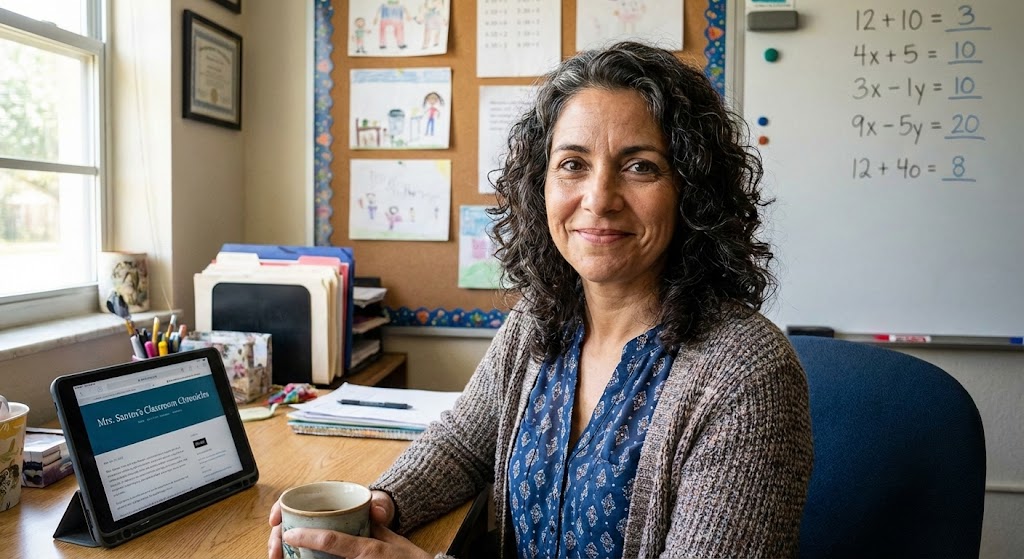
Maria Santos
Maria has been teaching 4th grade in Tampa, Florida for 22 years. Known as "the math whisperer" among her colleagues, she writes about the real challenges and victories of teaching in Florida's public schools.
When she's not grading papers or creating lesson plans, you can find Maria at her local teacher supply store (with coupons in hand) or sharing teaching tips over cafecito with her teacher friends.
View Full Profile →Related Articles
Finding Your Teacher Tribe: Why You Need Friends Who Get the Crazy
Teacher advice: Last week, my friend Jessica (who works in marketing) asked me why I seemed so stres...
When You Cry in the Supply Closet (And Why That's Perfectly Normal)
Teacher advice: I was reorganizing construction paper for the third time this week when it hit me. N...
Ready to Improve Your FAST Scores?
Upload your class data and get personalized IXL success plans in seconds.
Try It Free