My Dollar Store Math Arsenal: How $20 Can Transform Your Classroom
Last Tuesday, little Sofia looked at me with those big brown eyes and said, "Mrs. Santos, I still don't get fractions." We'd been working on equivalent fractions for two weeks, and despite my best efforts with drawings and explanations, it just wasn't clicking.
That's when I reached into my dollar store treasure box.
Within five minutes of using plastic pizza slices from the Dollar Tree, Sofia was not only understanding halves and fourths but was teaching her table partner. The total cost of that breakthrough moment? One dollar.
After 22 years in the classroom, I've learned that the fanciest manipulatives don't always create the best learning moments. Sometimes the most powerful tools come from the dollar store, and today I'm sharing my tried-and-true favorites that have saved both my sanity and my budget.
Why Dollar Store Manipulatives Work
Let's be real here. Our district gives us a classroom budget that wouldn't cover a decent dinner out, and we're expected to work miracles. I spent my first few years blowing through my own paycheck at teacher stores, buying those beautiful, expensive manipulative sets.
Then I had my lightbulb moment during a particularly tight month when Daniela needed new soccer cleats. I wandered into the Dollar Tree feeling sorry for myself and walked out with a bag full of math magic.
The truth is, kids don't care if their counting bears cost $30 or $3. They care about whether the tool helps them understand the concept. And honestly, sometimes the imperfect, quirky dollar store finds work better because kids remember them.
My Dollar Store Math Must-Haves
Counting and Number Sense
Plastic animals or toys: These little guys are perfect for counting, sorting, and basic operations. I have buckets of tiny dinosaurs, farm animals, and cars. When Marcus was working on multiplication tables, I'd have him set up "parking lots" with rows of cars. Visual and hands-on, pero so effective.
Dice: Buy every size and color they have. Giant foam dice, tiny plastic ones, wooden cubes. Use them for number recognition, probability, addition facts, and creating number stories. I even use them for classroom management (roll a die to see how many minutes of extra recess we earn).
Playing cards: Remove the face cards and you have instant number practice. War becomes addition practice. Go Fish becomes number recognition. And they're small enough that kids can take them to their desks without taking up precious workspace.
Place Value and Counting
Straws and rubber bands: This combo has saved my place value lessons more times than I can count. Kids bundle straws into groups of ten, and suddenly the abstract concept of "tens and ones" becomes concrete. Cost for a class set? About $5.
Pony beads: These colorful little beads are perfect for skip counting, making number lines, and creating patterns. String them on pipe cleaners (also from the dollar store) for instant place value practice.
Ice cube trays: Use these for sorting, counting by groups, or creating arrays for multiplication. They're also great for organizing all your other small manipulatives.
Fractions and Geometry
Paper plates: Cut them into fraction pieces and you have instant fraction manipulatives. Let the kids color them different colors and suddenly you're teaching equivalent fractions without spending $40 on a fraction kit.
Plastic pizza slices: These are my secret weapon for fractions. Kids understand pizza, and these little slices make equivalent fractions so much clearer than circles on a worksheet.
Craft sticks: Perfect for building shapes, measuring, creating arrays, and showing geometric concepts. Buy the colored ones and the regular ones. You'll use them for everything.
Getting Creative with Organization
Here's where my husband Carlos thinks I've lost my mind. I have more organizational systems for dollar store manipulatives than he has tools in his workshop.
Plastic containers: Buy every size they have. Small ones for individual student sets, medium ones for table supplies, large ones for storage. Label everything with pictures and words.
Sandwich bags: Pre-make individual sets of manipulatives in labeled bags. When it's time for fraction work, kids grab their "fraction bag" and we're ready to go in seconds instead of spending ten minutes distributing materials.
Ice cream buckets: Ask your cafeteria staff to save these for you. They're perfect for storing larger manipulatives and they stack beautifully.
Making It Work in Your Classroom
The key to dollar store success is thinking beyond the obvious use. Those plastic spoons aren't just for dramatic play, they're perfect for measuring and comparing capacity. Those foam shapes aren't just decorations, they're geometry manipulatives waiting to happen.
Start small. Give yourself $10 and see what you can find. Walk through every aisle, not just the "school supplies" section. Some of my best finds have come from the kitchen section or the toy aisle.
And here's a tip from my years of trial and error: buy multiples when you find something good. I once found perfect little containers for sorting activities and bought two. When I went back the next week for more, they were gone forever. Now when I find gold, I stock up.
The Real Magic Happens
The beautiful thing about dollar store manipulatives is that kids don't treat them like precious objects they can't touch. They dive in, explore, and really use them. I've watched struggling students have breakthrough moments with $1 materials that expensive manipulatives never achieved.
Last month, my student Jayden finally understood multiplication because we used toy cars to create parking lot arrays. The cars cost me $3, but the confidence on his face when he explained the concept to his mom during conferences? Priceless.
Your turn, teachers. What dollar store finds have worked magic in your classroom? And if you haven't explored this goldmine yet, what are you waiting for? Your next math breakthrough might be waiting in aisle three, right between the cleaning supplies and the greeting cards.
Remember, we're not just teachers, we're resourceful magicians. And sometimes the best magic happens on the smallest budget.
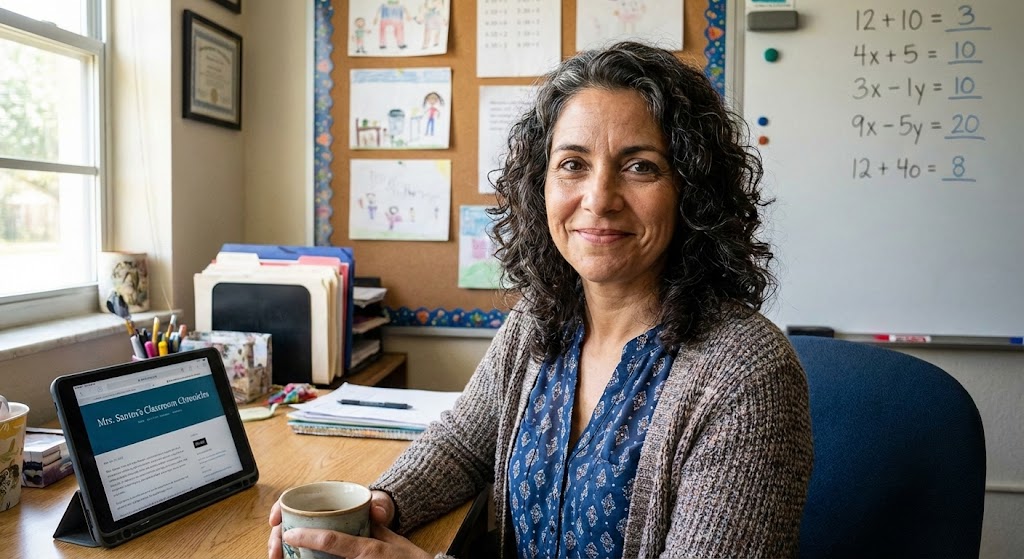
Maria Santos
Maria has been teaching 4th grade in Tampa, Florida for 22 years. Known as "the math whisperer" among her colleagues, she writes about the real challenges and victories of teaching in Florida's public schools.
When she's not grading papers or creating lesson plans, you can find Maria at her local teacher supply store (with coupons in hand) or sharing teaching tips over cafecito with her teacher friends.
View Full Profile →Related Articles
The Broke Teacher's Guide to Back to School Shopping (Without Losing Your Mind or Your Wallet)
Budget-friendly teaching tip: Let me tell you about August 2019. I walked into Walmart with a list, ...
Dollar Store Math Manipulatives That Actually Work (And Won't Break Your Heart When They Disappear)
Budget-friendly teaching tip: Last September, I spent forty-seven dollars of my own money on a beaut...
Ready to Improve Your FAST Scores?
Upload your class data and get personalized IXL success plans in seconds.
Try It Free