My Dollar Tree Math Manipulative Haul That Actually Works
Last week I walked into Dollar Tree with a $20 bill and walked out with enough math manipulatives to last me the entire school year. The cashier looked at my cart full of foam plates, plastic cups, and dice like I was planning the world's saddest party.
Little did she know I was about to revolutionize my math centers.
Look, we all know the struggle. The catalog comes with those beautiful wooden base-ten blocks for $89.99, and we're over here rationing our personal printer paper. But here's what I've learned in 22 years: kids don't care if their manipulatives came from a fancy educational supply company or the dollar store. They just want to touch, move, and figure things out with their hands.
My Dollar Store Math Must-Haves
Foam plates are my secret weapon. I buy the colored ones in packs of 20. Instant place value mats, fraction circles, sorting mats, you name it. Last month, little Sofia finally understood equivalent fractions when I let her physically move pieces of "pizza" (folded foam plates) around. Sometimes the simplest tools work the best.
Plastic cups are pure gold for place value work. Stack them, nest them, count with them. I write "ones," "tens," and "hundreds" on them with Sharpie, and boom, instant place value towers. My student Marcus, who usually struggles with math, built a tower representing 247 and announced to the whole class, "Look, Mrs. Santos, I made two hundreds, four tens, and seven ones!"
The pride in his voice was worth every penny I spent.
The Dice Revolution
Here's where I really went crazy. I bought 30 packs of dice. Thirty! The cashier definitely thought I had a gambling problem.
But dice are incredible for so many concepts. Addition, subtraction, probability, even multiplication arrays. I hot-glued some dice together to make permanent number combinations for my struggling readers. No more "Is that a 6 or a 9?" confusion.
Pro tip: Buy the foam dice if they have them. They're quieter, and your sanity will thank you during math centers.
Beans, Buttons, and Beautiful Chaos
The craft section is a teacher's playground. Those bags of mixed buttons? Perfect for sorting, patterning, and counting. Dried beans work great for estimation jars and basic operations.
I learned this the hard way though. Year three of teaching, I gave each table a cup of lima beans for a counting activity. What I didn't anticipate was that 9-year-olds would immediately start flicking them across the room. Ay, dios mio, I was finding beans in corners until Christmas.
Now I have a strict "beans stay in the designated area" rule, and we're all happier.
Storage Solutions That Don't Break the Bank
Those plastic containers with lids? Buy them in bulk. I organize everything by concept and label with my trusty label maker (okay, fine, that wasn't from the dollar store, but it was worth the investment).
I keep addition/subtraction manipulatives in one container, place value stuff in another, and geometry materials in a third. My students know exactly where to find what they need, and clean-up is actually manageable.
Making Them Last
Let's be real, dollar store quality isn't always the best. But with a little creativity, we can make these materials last.
I laminate my foam plate mats. Takes five extra minutes but they'll survive the year. For the plastic items, I do a quick quality check and toss anything with sharp edges. Safety first, always.
Clear contact paper is your friend for anything paper-based. I make number cards, operation signs, and fraction strips, then cover them. They look professional and survive sticky fourth-grade fingers.
Getting Kids Invested
Here's the thing I wish someone had told me earlier: kids take better care of materials when they help organize them. I let my students help sort the new manipulatives and decide how to organize our math center bins.
When Kevin suggested we separate the buttons by color families instead of just dumping them together, I knew he'd be more careful with them during centers. Ownership matters.
The Real Talk About Dollar Store Shopping
Not everything at the dollar store works for the classroom. Those flimsy plastic rulers that break if you look at them wrong? Skip them. The pencils that don't actually write? Hard pass.
But for manipulatives that kids will touch, sort, count, and explore? Dollar Tree is a goldmine.
I've also learned to shop there regularly, not just at the beginning of the year. Their inventory changes, and sometimes you'll find gems like magnetic letters or small whiteboards that normally cost three times as much elsewhere.
Beyond Math
While we're talking dollar store finds, don't sleep on the other subjects. Those plastic tablecloths make great floor mats for reading corners. The small notebooks are perfect for math journals. And those little plastic containers? Amazing for science experiments.
Making It Work in Your Classroom
Start small if this feels overwhelming. Pick one math concept you're teaching next week and see what you can find to support it. Place value? Grab some cups and small objects. Fractions? Foam plates and plastic knives for cutting.
The goal isn't to replace every manipulative in your classroom. It's to supplement what you have and give every kid access to hands-on learning, regardless of your budget.
Your students won't remember whether their base-ten blocks came from the fancy catalog or the dollar store. But they will remember the moment math finally clicked because they could touch it, move it, and make sense of it with their hands.
And honestly? That's worth way more than $20.
What dollar store finds have worked magic in your classroom? I'm always looking for new ideas, and I know our teacher community has the best creative solutions. Share your wins in the comments, because we're all in this together.
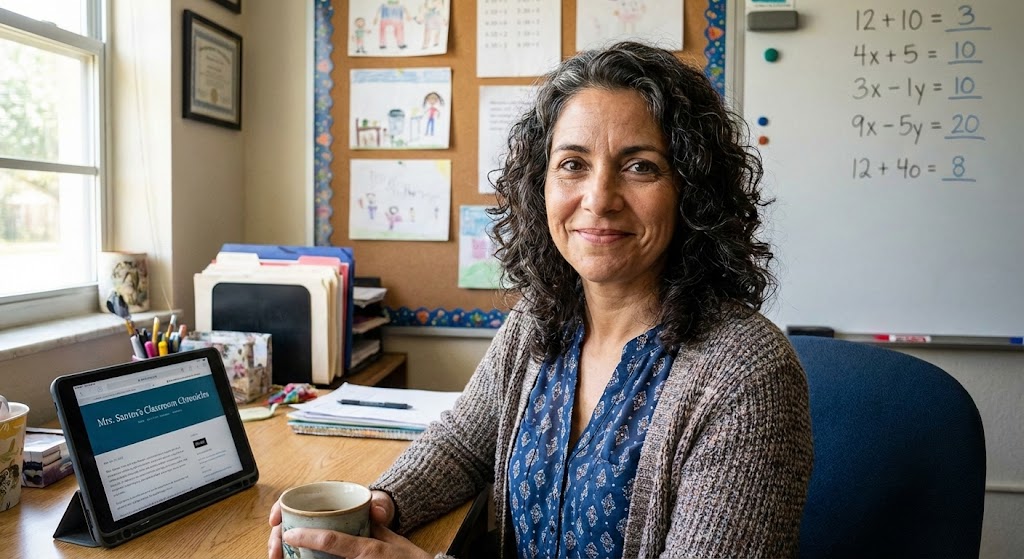
Maria Santos
Maria has been teaching 4th grade in Tampa, Florida for 22 years. Known as "the math whisperer" among her colleagues, she writes about the real challenges and victories of teaching in Florida's public schools.
When she's not grading papers or creating lesson plans, you can find Maria at her local teacher supply store (with coupons in hand) or sharing teaching tips over cafecito with her teacher friends.
View Full Profile →Related Articles
The Broke Teacher's Guide to Back to School Shopping (Without Losing Your Mind or Your Wallet)
Budget-friendly teaching tip: Let me tell you about August 2019. I walked into Walmart with a list, ...
Dollar Store Math Manipulatives That Actually Work (And Won't Break Your Heart When They Disappear)
Budget-friendly teaching tip: Last September, I spent forty-seven dollars of my own money on a beaut...
Ready to Improve Your FAST Scores?
Upload your class data and get personalized IXL success plans in seconds.
Try It Free