Teaching Multiplication Facts Without Killing the Joy
Last week, I watched little Sofia's face crumple as she stared at yet another timed multiplication worksheet. "I'm just stupid at math, Mrs. Santos," she whispered. My heart broke a little because I've been there. In my early teaching days, I thought drilling facts meant endless worksheets and flash cards until kids could recite them in their sleep.
Boy, was I wrong.
After 22 years in the classroom, I've learned that building multiplication fluency doesn't have to feel like mathematical boot camp. Our kids can master their facts AND still love math. Here's how we can make it happen.
Why Traditional Drill and Kill Doesn't Work
Let me be honest. I used to be the queen of timed tests. Every Friday, out came those dreaded multiplication worksheets. Kids would panic, parents would complain, and I'd wonder why half my class was convinced they were "bad at math."
The problem with pure drill and kill is that it creates math anxiety faster than you can say "seven times eight." When we focus only on speed without understanding, we're building a house on sand. Sure, some kids memorize the facts, but they don't really get what multiplication means.
And let's talk about our struggling learners for a minute. These kids often need more time to process, but timed tests make them feel like failures before they even start. It's like asking someone to run a marathon when they're still learning to walk.
Building Understanding First
Before we even think about fluency, our kids need to understand what multiplication actually means. I always start with the story behind the numbers.
When I introduce 4 x 6, we don't just memorize it. We build it with manipulatives. We draw arrays. We talk about 4 groups of 6 cookies or 6 rows of 4 desks. The kids need to see that multiplication is just fancy addition, and once they get that, everything else starts clicking.
My student Marcus (not my son, different Marcus) struggled with his 7s table until we started thinking about weeks. "Seven days in a week, so 7 x 4 is four weeks... 28 days!" Suddenly, those abstract numbers had meaning.
Making Practice Feel Like Play
Here's where the magic happens. Once kids understand what multiplication means, we can practice in ways that actually feel fun. And trust me, after two decades of trying everything under the sun, I've found some winners.
Array Art is huge in my classroom. Kids create beautiful patterns using multiplication arrays, then color them in. They're practicing facts without even realizing it. Plus, it doubles as art time, which makes everyone happy.
Multiplication Stories work wonders too. I'll give kids a fact like 8 x 3 and they have to create a story around it. "Eight spiders each had three legs left after the spider Olympics..." The sillier, the better. They remember the stories, and the facts stick.
Number Talks have been a game changer. Instead of just memorizing that 6 x 8 = 48, we talk about all the ways to figure it out. Some kids use 6 x 10 minus 6 x 2. Others break it into 6 x 4 + 6 x 4. There's no one right way, and that takes the pressure off.
Using Games to Build Fluency
Games are where kids forget they're learning and just have fun. I keep a whole arsenal of multiplication games that my students beg to play.
Multiplication War using regular playing cards is simple but effective. Kids flip two cards and multiply the numbers. Highest product wins both cards. They're practicing facts without the stress of a timed test.
Around the World gets everyone moving. One student stands behind another's chair while I show a multiplication problem. First one to answer correctly moves on. But here's my twist: instead of elimination, everyone gets multiple chances to be the traveler.
Factor Captor on the whiteboard is perfect for those last ten minutes before lunch. I write a number like 24 on the board, and teams have to find all the multiplication facts that equal 24. It reinforces the relationship between multiplication and division too.
Differentiation is Everything
Not every kid learns the same way or at the same pace, and that's perfectly okay. In my classroom, I have kids working on different facts at different speeds, and nobody feels bad about it.
Some of my students need to start with the easier facts (2s, 5s, 10s) and build confidence before tackling the tricky ones. Others are ready to jump into the 7s and 8s. I meet them where they are, not where I think they should be.
For my kinesthetic learners, we use hand motions and body movements. The 9s trick with fingers never gets old, and we've created whole dance routines for some of the harder facts. Ay, dios mio, you should see us doing the "8 x 7 salsa."
Progress Monitoring That Doesn't Traumatize
I still assess multiplication fluency, but I've ditched those awful timed tests that made kids cry. Instead, I use quick, low-pressure check-ins that give me the information I need without crushing anyone's spirit.
One-minute probes work better than five-minute tests. Less overwhelming, and I get a clear picture of where each student stands. I do these individually while other kids are working, so there's no public pressure.
Self-tracking charts let kids see their own progress. They color in the facts they've mastered, and it becomes a personal goal rather than a competition with classmates. Sofia, the little girl who thought she was "stupid at math," now proudly shows off her chart that's almost completely colored in.
Real Talk: It Takes Time
Let me keep it real with you. Building multiplication fluency without killing the joy takes longer than drill and kill. There's no getting around that. But here's what I've learned: kids who learn facts with understanding and joy retain them better and develop a healthier relationship with math.
Yes, we're under pressure with FAST testing and B.E.S.T. standards. I get it. But rushing kids through multiplication facts without building solid understanding is like putting a band-aid on a broken bone. It might look okay on the surface, but it's not going to hold.
Making It Work in Your Classroom
Start small. You don't have to overhaul your entire multiplication unit overnight. Pick one strategy that resonates with you and try it out. Maybe it's adding some array art to your lesson plans, or replacing one timed test with a game day.
Pay attention to your kids' faces. If they look stressed or defeated, that's your cue to switch gears. Learning should challenge them, but it shouldn't make them hate math.
And remember, we're building mathematicians, not just kids who can recite facts. The goal is fluency with understanding, confidence, and yes, even joy.
You've Got This
Teaching multiplication facts well is an art, not a science. It takes patience, creativity, and a willingness to try new things when the old ways aren't working. But watching a struggling student finally "get it" and smile while doing math? That makes every bit of extra effort worth it.
Our kids deserve to feel successful in math. They deserve to see themselves as capable mathematicians, not just fact-memorizing machines. We can give them fluency AND confidence. We can build skills AND preserve their love of learning.
Trust me, after 22 years of figuring this out the hard way, I know it's possible. Your students are lucky to have a teacher who cares enough to do it right.
Now go make some multiplication magic happen in your classroom. Your kids are counting on it.
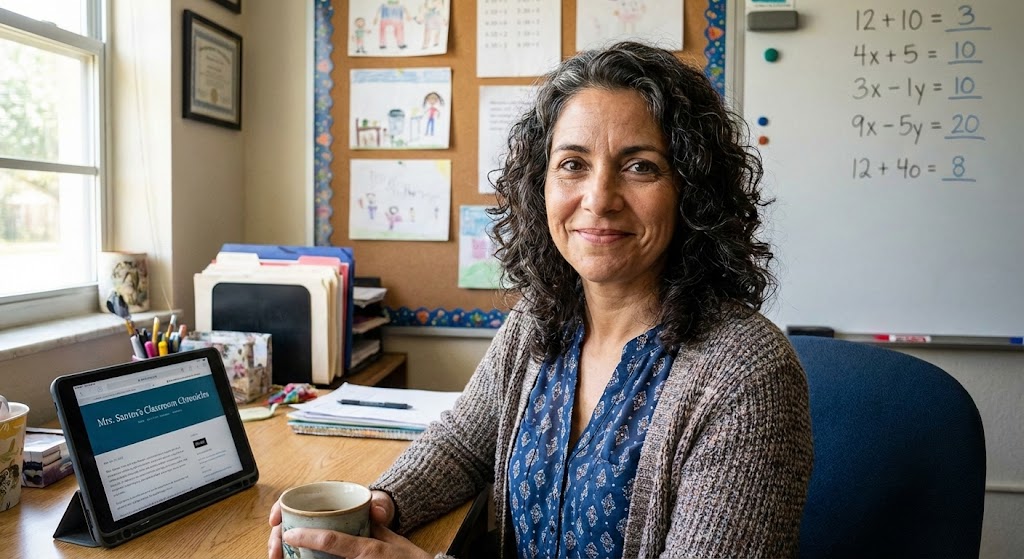
Maria Santos
Maria has been teaching 4th grade in Tampa, Florida for 22 years. Known as "the math whisperer" among her colleagues, she writes about the real challenges and victories of teaching in Florida's public schools.
When she's not grading papers or creating lesson plans, you can find Maria at her local teacher supply store (with coupons in hand) or sharing teaching tips over cafecito with her teacher friends.
View Full Profile →Related Articles
When Mid-Year Data Makes You Want to Hide Under Your Desk (But You Don't Have To)
Math teaching strategy: Last Tuesday, I got my mid-year FAST data back and my first thought was, "Ay...
Making Mid-Year Data Work for You (Instead of Against You)
Math teaching strategy: Last Tuesday, I walked into the copy room and found Jessica practically hype...
Ready to Improve Your FAST Scores?
Upload your class data and get personalized IXL success plans in seconds.
Try It Free