The Calm Corner: Worth the Classroom Real Estate
Last Tuesday, I watched Miguel transform from a hurricane of frustration into a focused student in less than five minutes. He'd been struggling with long division (again), his pencil was getting the brunt of his anger, and I could see that familiar red creep up his neck that usually meant we were headed for a meltdown.
Instead of the usual escalation, Miguel looked at me and said, "Mrs. Santos, can I go to the calm corner?" Three minutes later, he was back at his desk, ready to tackle those division problems with fresh eyes.
Two years ago, I would have rolled my eyes at the idea of a calm corner. My classroom was already bursting at the seams, and giving up precious real estate for what looked like a glorified time-out spot? No gracias.
But after 22 years of teaching, I've learned that sometimes the smallest changes make the biggest difference.
Why I Finally Gave In
Let me be honest. I resisted the calm corner trend for way too long. My thinking was old school: if a kid was acting up, they needed consequences, not coddling. Plus, where was I supposed to put it? Between the reading nook, the math manipulatives station, and trying to fit 28 desks in a room designed for 20, I didn't have an inch to spare.
The turning point came during a particularly rough week in March. You know the kind I'm talking about. Spring break was still weeks away, FAST testing was looming, and my kids were bouncing off the walls like pinballs. I had three meltdowns in two days, and I realized my usual strategies weren't cutting it anymore.
That's when my teammate Rosa suggested I try creating a calm space. "Maria," she said, "you're spending more time dealing with behaviors than teaching. What if we could prevent some of those explosions instead of just reacting to them?"
She had a point.
Making Space When There Is No Space
The biggest hurdle for most of us isn't believing in the concept. It's finding the room. In my Title I school, we're lucky if we have enough desks, let alone extra square footage for a zen garden.
Here's what I learned: it doesn't have to be big.
I started with a corner behind my desk. Literally just a corner. I moved my filing cabinet (which let's be real, was mostly empty anyway) and created a space about three feet by three feet. That's it.
I bought a small rug from the Dollar Tree, added a basket with some fidget toys I'd confiscated over the years, and hung up a poster with breathing exercises that I found free online. Total cost: twelve dollars.
The magic wasn't in the fancy furniture or expensive sensory tools. It was in giving my students permission to recognize when they needed a break and the autonomy to take one.
Setting It Up for Success
A calm corner isn't just about the physical space. The real work is in teaching your students how to use it. And trust me, this took some trial and error on my part.
First week, I had kids treating it like a hangout spot. "Mrs. Santos, I need to calm down," became code for "I don't want to do math right now." I quickly realized I needed clearer expectations.
Now we have three simple rules: 1. You can use the calm corner when you feel overwhelmed, angry, or need to reset 2. Stay for 2-5 minutes (I have a small sand timer there) 3. When you're ready, come back and try again
We practiced these expectations just like we practice fire drills. I had students role-play different scenarios. "What would you do if you felt frustrated during a math problem?" We talked about what calm feels like in our bodies and how to recognize when we need a break.
The key is making it a tool for self-regulation, not an escape hatch.
What Actually Goes in There
You don't need to break the bank on fancy sensory equipment. Some of my most effective calm corner tools cost nothing:
A small basket with stress balls (the free ones from health fairs work great). A few picture books about feelings. Breathing exercise cards that I laminated myself. A small notebook where kids can write or draw their feelings.
The sand timer has been a game-changer. It gives kids a concrete sense of how long they should stay and prevents the corner from becoming a permanent vacation spot.
I also keep a small mirror in there. Sounds weird, pero it helps kids check in with themselves. "Do I look ready to learn?" Sometimes seeing their own face helps them reset faster than anything else.
The Unexpected Benefits
What surprised me most wasn't that the calm corner helped my most challenging students. I expected that. What I didn't expect was how it changed the entire classroom culture.
Kids started recognizing their emotions earlier, before they reached the explosion point. They began helping each other too. Last month, I heard Sofia whisper to James, "Maybe you need a minute in the calm corner?" when she saw him getting frustrated during writing time.
It also gave me language to support them. Instead of "Stop being disruptive," I could say, "It looks like you might need to reset. What do you think?" This shifted the conversation from punishment to problem-solving.
And honestly? It made my job easier. Those five minutes a student spends in the calm corner save me fifteen minutes of dealing with a full meltdown and getting the whole class back on track.
Making It Work with Behavior Plans
Some of you might be thinking, "But what about our school's discipline policy?" I get it. We still have consequences for inappropriate behavior. The calm corner isn't a get-out-of-jail-free card.
I think of it as preventive medicine. When Miguel uses the calm corner because he's frustrated with math, he's making a good choice that prevents a bigger problem. That's different from a student who throws a pencil and then wants to use the calm corner to avoid consequences.
The difference is timing and choice. When students recognize their emotions and choose to self-regulate before acting out, that's exactly the behavior we want to encourage.
Start Small, Think Big
If you're on the fence about trying a calm corner, start small. You don't need to redesign your entire classroom or spend your grocery money on supplies.
Clear out a small corner. Add a rug or even just a piece of tape on the floor to define the space. Put in a few simple tools and teach your students how to use them.
Give it a month. I promise you'll see changes, not just in your most challenging students, but in your classroom community as a whole.
Our kids are dealing with more stress than ever before. Between testing pressure, family challenges, and just the general chaos of being nine years old, they need tools to cope. We can either teach them healthy ways to manage their emotions, or we can keep dealing with the explosions after they happen.
I know which one I'd rather do. And honestly, seeing Miguel ask for what he needs instead of melting down? That three feet of classroom space has never been better used.
What's stopping you from trying it in your room?
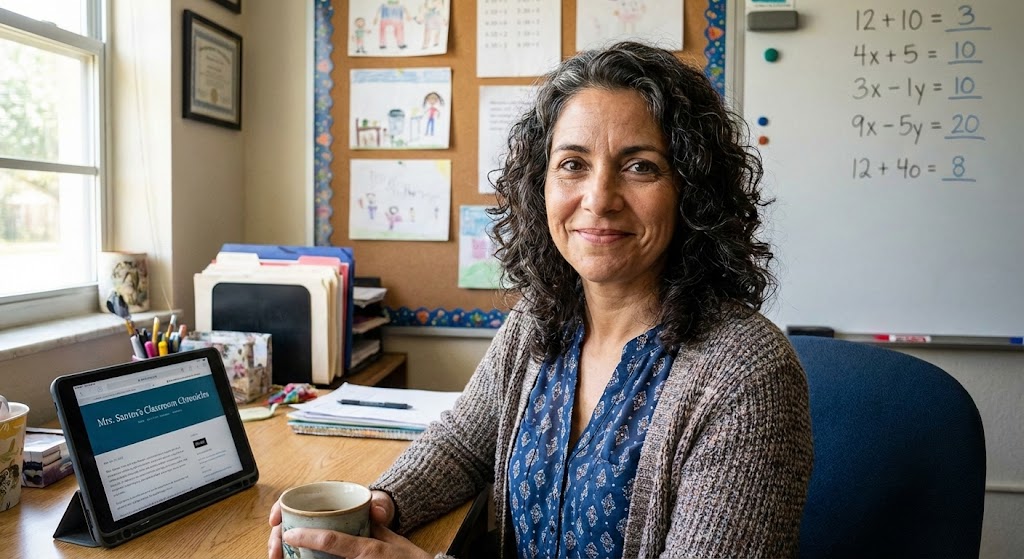
Maria Santos
Maria has been teaching 4th grade in Tampa, Florida for 22 years. Known as "the math whisperer" among her colleagues, she writes about the real challenges and victories of teaching in Florida's public schools.
When she's not grading papers or creating lesson plans, you can find Maria at her local teacher supply store (with coupons in hand) or sharing teaching tips over cafecito with her teacher friends.
View Full Profile →Related Articles
The One Transition Trick That Finally Stopped My Classroom Chaos
Classroom management tip: Last Tuesday, I watched a veteran teacher at my school lose ten full minut...
When Everyone's Brain is Already at the Beach (Including Yours)
Classroom management tip: Last Tuesday, I caught myself staring out the window during math, watching...
Ready to Improve Your FAST Scores?
Upload your class data and get personalized IXL success plans in seconds.
Try It Free