After the FAST Storm: My Post-Testing Recovery Plan That Actually Works
Last week, little Sofia came up to me during morning work and whispered, "Mrs. Santos, when do we take the next test?"
Ay, dios mio. My heart just about broke. Here we were, barely two days post-FAST, and this sweet girl was already anxious about the next round of assessments. That's when I knew we needed some serious testing recovery time.
After 22 years in Florida classrooms, I've learned that the weeks following major testing are just as important as the weeks leading up to it. Our kids are emotionally drained, we're exhausted, and everyone needs time to remember why we fell in love with learning in the first place.
The Emotional Hangover is Real
Let's be honest about what testing season does to us. Our students spend weeks in high-stress mode, and we spend weeks walking on eggshells, making sure they're ready. The pressure cooker environment takes a toll on everyone.
I used to make the mistake of jumping right back into rigorous academic content the day after testing ended. Big mistake. The kids were checked out, I was burned out, and nobody was learning anything meaningful.
Now I plan for recovery just like I plan for test prep. It's become just as important in my yearly calendar.
Week One: Decompress and Reconnect
The first week after FAST testing is all about emotional recovery in my classroom. We need to remember that learning can be joyful again.
I start with a "Testing Feelings Circle" where kids can share how they felt during the test. No judgment, just listening. Marcus (not my son, my student Marcus) told us he was scared his brain would forget everything. Emma said her stomach hurt the whole time. Getting these feelings out in the open helps everyone realize they're not alone.
Then we dive into pure fun learning. I'm talking read-alouds that have nothing to do with standards, art projects that let them create freely, and math games where the only goal is to laugh while we play.
My go-to activity is "Learning Buffet Day." I set up stations around the room with different hands-on activities. Building with blocks, painting, reading comics, playing board games. Kids rotate through and just explore. No worksheets in sight.
Week Two: Gentle Re-entry
By week two, we're ready to ease back into academics, but I keep it light and choice-driven. This is when I pull out all those engaging activities I've been saving for a special occasion.
I love doing "Passion Projects" during this time. Kids choose something they're genuinely curious about and spend the week researching and creating. Last year, Jayden became an expert on sharks, and Sophia created an entire presentation about her abuela's journey from Cuba.
The beauty is that they're using all the same skills we've been working on all year (research, writing, presenting) but they're driving the bus. They're choosing what matters to them.
I also bring back morning meetings and afternoon circles. We share stories, play getting-to-know-you games (yes, even in May), and just reconnect as a classroom community.
Addressing the Academic Anxiety
Here's something I learned the hard way: some kids come out of testing convinced they're "dumb" because they struggled with certain questions. We have to address this head-on.
I do an activity called "Smart in Different Ways" where we explore multiple intelligences. We talk about how Jamal might struggle with reading but can solve math problems in his head faster than anyone. How Isabella might freeze up on tests but can explain science concepts so clearly that she becomes our class teacher.
We also do a lot of growth mindset work during recovery time. I share stories of famous people who failed tests or struggled in school. We talk about how our brains are like muscles that get stronger with practice.
One thing that really helps is letting kids retell their learning journey from the beginning of the year. I pull out their September work samples, and we compare them to their March work. The growth is always incredible, and it reminds them that learning is a process, not a single moment in time.
Getting Back to the Joy of Learning
This is the big one, y'all. We have to help our students remember that learning is supposed to feel good. Testing can make kids think that school is all about proving what you know instead of discovering new things.
I plan lots of "wonder walks" during recovery weeks. We go outside (thank goodness for Florida weather, even when it's getting hot), and kids just observe and ask questions. What makes that bird's song different from the other one? Why do some leaves have smooth edges and others are jagged?
We come back and research their questions together. No pressure, no standards to hit, just pure curiosity driving our learning.
I also bring back science experiments and math investigations. The messier and more hands-on, the better. Kids need to remember that learning involves trial and error, hypotheses that don't work out, and discoveries that surprise us.
Taking Care of Ourselves Too
Let's not forget that we need recovery time as well. I used to feel guilty about "wasting" instructional time on recovery activities, but I've learned that this time is an investment, not a waste.
During recovery weeks, I'm gentler with myself too. I order pizza for dinner more often (sorry, Carlos), I don't bring as much work home, and I actually take my lunch break instead of grading papers.
I also use this time to reconnect with why I became a teacher. I watch my kids rediscover their love of learning, and it reminds me of my own passion for this crazy, wonderful profession.
Planning for Next Year
Recovery time is also perfect for reflection. I take notes on what worked well during test prep and what didn't. I ask my students for feedback too. They're surprisingly insightful about what helped them feel prepared versus what just stressed them out.
This year, several kids told me they wished we'd done more practice with the computer format earlier in the year. Others said they felt most confident when we did test prep in small groups instead of whole class. These insights help me plan better for next year.
The Long Game
Remember, we're not just teaching kids to pass tests. We're helping them become lifelong learners who can handle challenges, bounce back from setbacks, and maintain their curiosity about the world.
The recovery period is where this really happens. When we show kids that learning continues after the test, that their worth isn't determined by a single score, and that school can still be a place of wonder and discovery, we're giving them something much more valuable than test-taking strategies.
So give yourself permission to slow down, reconnect, and remember the joy. Your students need it, and honestly, so do you.
Trust me, after 22 years of this, I've learned that sometimes the most important teaching happens when we're not trying to teach at all.
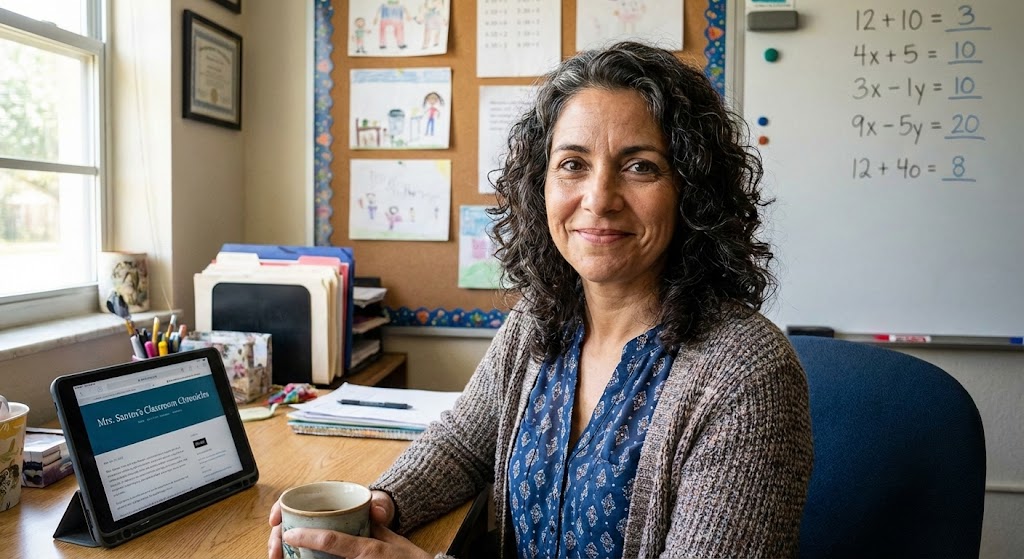
Maria Santos
Maria has been teaching 4th grade in Tampa, Florida for 22 years. Known as "the math whisperer" among her colleagues, she writes about the real challenges and victories of teaching in Florida's public schools.
When she's not grading papers or creating lesson plans, you can find Maria at her local teacher supply store (with coupons in hand) or sharing teaching tips over cafecito with her teacher friends.
View Full Profile →Related Articles
How I Actually Recover After Testing Season (And Help My Kids Do the Same)
FAST test prep tip: Last April, about three days after our final round of FAST testing wrapped up, I...
How I Help My Students (and Myself) Bounce Back After FAST Testing
FAST test prep tip: Last week, I watched little Sofia slump into her seat after our final FAST sessi...
Ready to Improve Your FAST Scores?
Upload your class data and get personalized IXL success plans in seconds.
Try It Free