Building Trust Before You Need It: Why I Start Calling Parents in August (And You Should Too)
Last Tuesday, I had to call Mrs. Rodriguez about her son Miguel's behavior during math. But instead of the defensive conversation I used to dread in my early teaching days, she started with, "Ms. Santos, thank you so much for calling. How can we work together on this?"
The difference? I'd already called her twice this year with good news.
The Phone Call That Changed My Teaching
About ten years ago, I was struggling with a particularly challenging class. Every parent contact felt like a battle. I was exhausted from the pushback, the excuses, and honestly, the feeling that parents saw me as the enemy.
Then my mentor, Mrs. García, asked me a simple question: "When do you call parents?"
"When there's a problem," I said.
"Exactly. So what do you think they expect when they see the school's number on their phone?"
Ay, dios mío. The lightbulb moment hit hard.
Why We Need to Flip the Script
Think about it from a parent's perspective. If the only time you hear from your child's teacher is when something's wrong, your heart probably drops every time you see that school number pop up.
We've trained parents to associate our calls with bad news. Then we wonder why they get defensive or don't return our messages.
But what if we could change that entire dynamic before we ever need to have a difficult conversation?
My August Phone Call Strategy
Every August, I make it my mission to call every parent within the first three weeks of school. Not about problems. About their kids being awesome.
Here's my simple system:
Week 1: I call five parents each day after school. That's it. Just five.
Week 2: Another five each day.
Week 3: I finish up the rest.
The calls are short, maybe three minutes max. I always start the same way: "Hi, this is Ms. Santos, Miguel's teacher. I'm calling with some good news."
I can literally hear parents exhale with relief.
What I Actually Say (Because Scripts Help)
In my early years, I'd stumble through these calls. Now I have a loose script that feels natural:
"Hi, this is Ms. Santos, [child's name]'s teacher. I'm calling with some good news. I wanted you to know that [specific positive thing]. [Child's name] should be really proud, and I wanted to make sure you knew about it too. Do you have any questions about how things are going so far?"
That's it. Simple, specific, and genuine.
The Magic is in the Details
The key is being specific. Don't just say "Jamie's doing great." Instead:
- "Jamie helped a new student find the bathroom today without being asked."
- "Roberto explained a math problem so clearly to his partner that I'm thinking about making him my co-teacher."
- "Sofia's handwriting has improved so much since last week. You can tell she's been practicing."
Parents remember these details. More importantly, they share them with their kids.
When You Don't Have "Good News" Yet
Some years, I have students who are struggling from day one. I still call.
For these kids, I focus on potential or effort:
- "Marcus asked a really thoughtful question in science today."
- "Aisha stayed focused during our entire reading lesson."
- "David helped clean up without being asked."
Every child does something positive. Our job is to notice it and celebrate it.
The Payoff (Trust Me, It's Worth It)
These early positive calls create a completely different relationship with parents. When I do need to call about a concern later in the year:
- Parents listen instead of getting defensive
- They ask how they can help instead of making excuses
- They trust that I care about their child
- They know I see the good in their kid, not just the problems
Last month, when I called about Miguel's math struggles, his mom said, "I've been worried about this too. What can we do at home?"
That's the power of trust built early.
Making It Manageable (Because We're All Overwhelmed)
I know what you're thinking. "Maria, I barely have time to plan lessons, and you want me to make 25 phone calls?"
I get it. But here's the thing: these calls actually save time later. Think about how much time you spend on difficult parent conversations, writing emails back and forth, or dealing with defensive responses.
Those positive calls prevent most of that drama.
Plus, they're energizing. After a tough day, calling to share good news reminds me why I love teaching.
The Florida Factor
With everything we're dealing with in Florida schools right now, parents are more anxious than ever. They're worried about testing, curriculum changes, and whether their kids are getting what they need.
These calls reassure them that their child has a teacher who notices them, cares about them, and wants them to succeed.
Start Small, Start Now
If calling every parent feels overwhelming, start with five. Pick five students whose parents you haven't connected with yet and make those calls this week.
I promise you'll see the difference in your next parent interaction.
Building trust before you need it isn't just good teaching strategy. It's good human strategy. We all want to feel seen and valued, and parents want to know their kids are seen and valued too.
When we make that effort early, everything else gets easier.
So grab your class list and start dialing. Your future self (and your students) will thank you.
What parent are you going to call first?
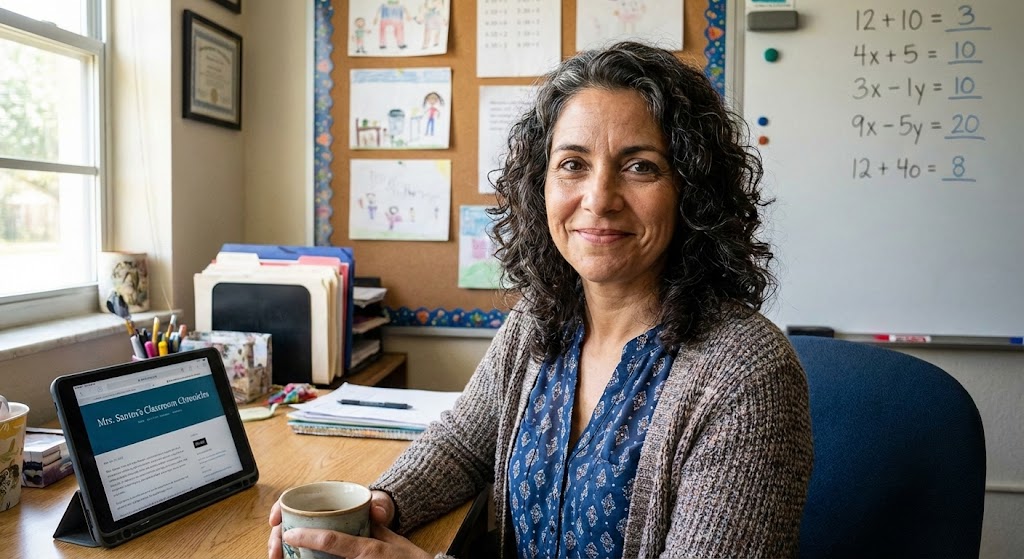
Maria Santos
Maria has been teaching 4th grade in Tampa, Florida for 22 years. Known as "the math whisperer" among her colleagues, she writes about the real challenges and victories of teaching in Florida's public schools.
When she's not grading papers or creating lesson plans, you can find Maria at her local teacher supply store (with coupons in hand) or sharing teaching tips over cafecito with her teacher friends.
View Full Profile →Related Articles
When Parents Say "My Child Would Never" (And What We Do Next)
Parent communication tip: Last Tuesday, I called Mrs. Rodriguez to discuss her son Miguel's behavior...
How to Talk to Parents About Test Scores Without Making Everyone Cry
Parent communication tip: Last week, I watched a parent's face crumple as I explained her daughter's...
Ready to Improve Your FAST Scores?
Upload your class data and get personalized IXL success plans in seconds.
Try It Free