Building Trust Before You Need It: Why Parent Relationships Matter More Than You Think
Last Tuesday, I had to call Sofia's mom about a behavior issue that happened during math. Before I could even explain what happened, Mrs. Rodriguez said, "Ms. Santos, I know Sofia can be stubborn. What can we do to help her?"
No defensiveness. No accusations. Just partnership.
That phone call went smoothly because we'd been building trust since August. But let me tell you, it wasn't always like this for me.
The Call That Taught Me Everything
My third year teaching, I had to call home about Marcus (not my son, a student with the same name). This kid was struggling, acting out, and I was at my wit's end. When I finally called his grandmother, she was furious.
"You've had my grandson for four months and this is the first time I hear from you? Only when there's a problem?"
Ay, she was right. I'd been so focused on managing my classroom that I forgot about the most important partnership of all.
That grandmother taught me something that changed my entire approach: trust isn't built in crisis moments. It's built in the quiet, ordinary days before you need it.
Why We Avoid the "Good" Calls
I get it. We're drowning in lesson plans, data meetings, and that never-ending stack of papers to grade. Carlos always asks why I'm still working at 9 PM, and honestly, finding time for positive parent contact feels impossible.
Plus, let's be real. Sometimes we worry that calling home with good news will somehow jinx it. Like the kid will immediately start acting up the next day.
But here's what I've learned after 22 years: those positive calls are investments. They're deposits in a trust account that you'll need to withdraw from eventually.
Small Deposits, Big Returns
Building trust doesn't require grand gestures. Some of my most effective trust-building moments have been tiny.
A quick text to let mom know that shy Isabella finally raised her hand today. A photo of Diego's science project that I know his grandmother will love. A two-minute call to tell dad that his daughter helped a new student feel welcome.
These moments take maybe five minutes, but they completely change the dynamic.
When parents see that you notice their child's strengths, not just their struggles, everything shifts. You become partners instead of adversaries.
The Magic of "I Thought You'd Want to Know"
My favorite phrase for positive parent contact is "I thought you'd want to know." It's warm but not over the top. Professional but personal.
"Hi Mrs. Chen, this is Ms. Santos. I thought you'd want to know that Kevin was such a kind friend today during recess."
"Mr. Williams, I wanted you to know that Jasmine's writing has really improved this week."
Parents light up when they hear these words because it means their child is seen. Really seen.
Timing Matters More Than You Think
Here's something I wish someone had told me earlier: when you make positive contact matters as much as what you say.
I try to make at least three positive contacts in the first month of school. Not because I have to, but because it sets the tone for everything that comes after.
Those early calls establish that I'm not just the person who calls when things go wrong. I'm the person who celebrates their child's victories, big and small.
The Documentation That Saves Your Sanity
I keep a simple spreadsheet (yes, another spreadsheet, pero it's worth it) with three columns: student name, date, and type of contact. I aim for positive contact with every family at least once a quarter.
Some teachers use a simple notebook. Others set phone reminders. Find what works for you, but track it somehow. When you're juggling 25+ families, it's easy to accidentally skip the quiet kids whose parents you never hear from.
When the Hard Calls Come
Last month, I had to call about Emma's academic struggles. But because I'd called twice before with positive news, her mom's first words were, "What can we do to support her at home?"
That's the power of trust built over time.
When parents know you genuinely care about their child, difficult conversations become collaborative problem-solving sessions instead of defensive battles.
Making It Manageable
I know what you're thinking: "Maria Elena, I barely have time to pee during the day. How am I supposed to add phone calls?"
Start small. One positive call per week. That's it.
Make calls during your planning period, after school, or even during lunch. Some parents prefer texts if you're allowed to use them in your district.
The key is consistency, not perfection. Even busy parents appreciate a 30-second voicemail that brightens their day.
The Ripple Effect
Here's something beautiful that happens when you build trust early: other parents start hearing about you. Word spreads that you're the teacher who really cares, who sees the whole child.
I've had parents request me for their younger children because their older kid came home talking about feeling valued in my classroom. That reputation started with those small, positive contacts.
Your Trust-Building Challenge
This week, pick three students. Not necessarily the ones who are struggling or excelling, just three kids who could use some recognition.
Make one positive contact about each of them. Notice how the parents respond. Notice how it makes you feel as their teacher.
I promise you, those few minutes will pay dividends all year long.
Trust isn't built in the moments when we need it most. It's built in all the small moments leading up to those big conversations.
And in a job where we need all the allies we can get, parents should be our strongest partners, not our biggest worry.
Start building those bridges now, while the sun is shining. You'll be grateful you did when the storms come.
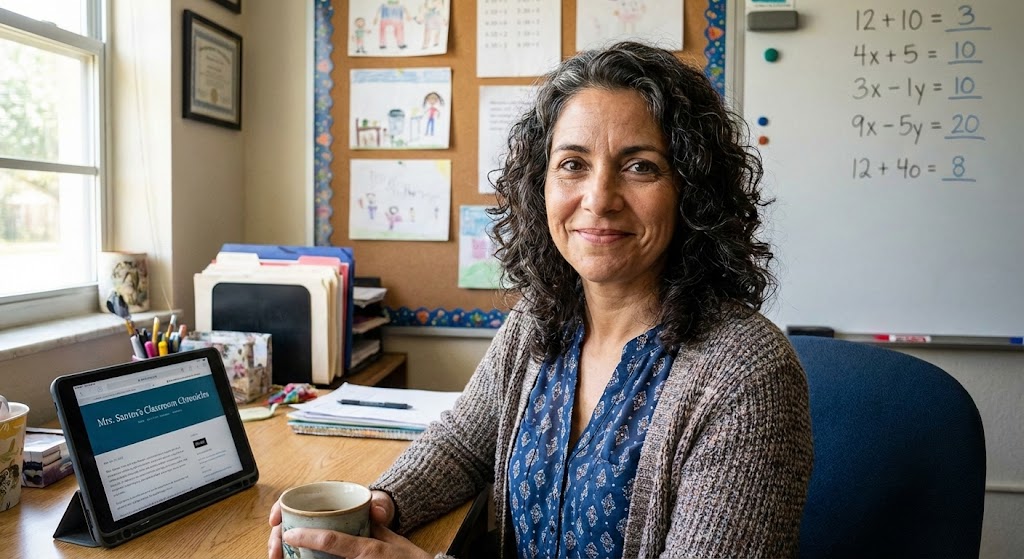
Maria Santos
Maria has been teaching 4th grade in Tampa, Florida for 22 years. Known as "the math whisperer" among her colleagues, she writes about the real challenges and victories of teaching in Florida's public schools.
When she's not grading papers or creating lesson plans, you can find Maria at her local teacher supply store (with coupons in hand) or sharing teaching tips over cafecito with her teacher friends.
View Full Profile →Related Articles
When Parents Say "My Child Would Never" (And What We Do Next)
Parent communication tip: Last Tuesday, I called Mrs. Rodriguez to discuss her son Miguel's behavior...
How to Talk to Parents About Test Scores Without Making Everyone Cry
Parent communication tip: Last week, I watched a parent's face crumple as I explained her daughter's...
Ready to Improve Your FAST Scores?
Upload your class data and get personalized IXL success plans in seconds.
Try It Free