Building Trust Before You Need It: Why Parent Relationships Matter Most in August
Last week, I watched a colleague panic as she tried to reach the parents of a student who was struggling. "They won't return my calls," she said, frustration clear in her voice. "I've left three messages about Jayden's behavior issues."
I had to bite my tongue. This was February, and it was the first time she'd tried to contact Jayden's family all year.
Here's what 22 years in the classroom has taught me: you can't make your first withdrawal from the parent relationship bank account. You have to make deposits first, and you have to make them when everything is going well.
Start Strong, Not Desperate
Remember those early years when we thought "no news is good news" was a communication strategy? Ay, dios mio, I cringe thinking about it now. I used to only call parents when their child was in trouble or failing. Then I wondered why they seemed defensive or avoided my calls.
The truth is, most parents have their own school baggage. Maybe they struggled as students. Maybe they've had negative experiences with teachers before. When the first call they get is about a problem, it confirms their worst fears.
But when the first call is about something positive? That changes everything.
The Magic of the Good News Call
Three weeks into school, I make it my mission to call every parent with something positive. Not an email. Not a note. An actual phone call.
"Hi, Mrs. Rodriguez? This is Maria Santos, Sophia's teacher. I just wanted to let you know that Sophia helped a new student find the library today, and it really showed me what a kind heart she has."
The silence on the other end always gets me. You can practically hear the relief.
"Wait," they usually say. "She's not in trouble?"
"Not at all! I just wanted you to know what a wonderful daughter you're raising."
These calls take maybe two minutes each. But they're worth their weight in gold when I need to have a difficult conversation later.
Building Your Deposit Strategy
Here's my system for building trust before I need it:
Week 1-3: The Positive Blitz Every family gets at least one positive contact. I keep a checklist and check them off as I go. Some get phone calls, others get handwritten notes home. The key is making it personal and specific.
Monthly Check-ins I send a brief class newsletter, pero I also include individual notes for families who need extra connection. Maybe their child is shy and I want to share a small breakthrough. Maybe I know they're going through a divorce and I want them to know their kiddo is doing okay.
The Pre-emptive Strike If I see storm clouds gathering with a student, I reach out to parents as a partner, not as the principal's messenger. "I've noticed Marcus seems tired lately. Is everything okay at home? Let's work together to help him succeed."
When Florida Weather Teaches Us About Relationships
Living in Tampa, we know hurricane season is coming every year. We don't wait until the storm is at our door to prepare. We stock up on water, check our shutters, and make our plans in May and June.
Parent relationships work the same way. The academic and behavioral storms are coming. They always do. But if you've built trust beforehand, parents become your partners in weathering those storms instead of adversaries you're fighting against.
The Trust Account in Action
Last month, I had to call Isabella's mom about some concerning academic struggles. But because I'd been making regular deposits in our relationship account, the conversation went like this:
"I'm worried about Isabella's math progress, and I know you are too. What are you seeing at home?"
Instead of defensiveness, I got partnership. We brainstormed solutions together. Isabella's mom even volunteered to come in during her lunch break to observe a math lesson so she could support the same strategies at home.
That's what trust looks like.
Practical Trust-Building Moves
The Friday Celebration Every Friday, I send home a "Friday Star" note with three students. It rotates so everyone gets one throughout the year. Parents love having something positive to put on the refrigerator.
The Classroom Peek I take photos of students engaged in learning and text them to parents (with proper permissions, of course). "Look at this scientist at work!" goes a long way.
The Translator For my Spanish-speaking families, I make sure to communicate in their preferred language. Yes, it takes extra time. Yes, it's worth it. These parents need to know their voices matter too.
The Home Connection When a student mentions something happening at home, I follow up. "Miguel told me about your new baby. How exciting! How is he adjusting to being a big brother?" It shows I see their child as a whole person, not just a student.
When Trust Pays Dividends
By November, something magical happens. Parents start reaching out to ME when they're concerned about something. They ask for advice. They volunteer for classroom activities. They become invested in their child's success instead of just checking homework completion.
And when those inevitable difficult conversations come up? We're on the same team.
Your August Action Plan
This year, commit to building trust before you need it:
- Plan your positive contact strategy now
- Set a goal to reach every family with good news in the first month
- Keep a simple tracking system so no one falls through the cracks
- Remember that small, consistent deposits matter more than grand gestures
Trust me on this one. The time you invest in August and September will save you hours of frustration later. More importantly, it will help your students succeed because their parents will be your partners instead of your critics.
We're all in this together, and that includes the families we serve. Let's make sure they know it from day one.
What's your plan for building trust this year? Start making those deposits now, because you never know when you'll need to make a withdrawal.
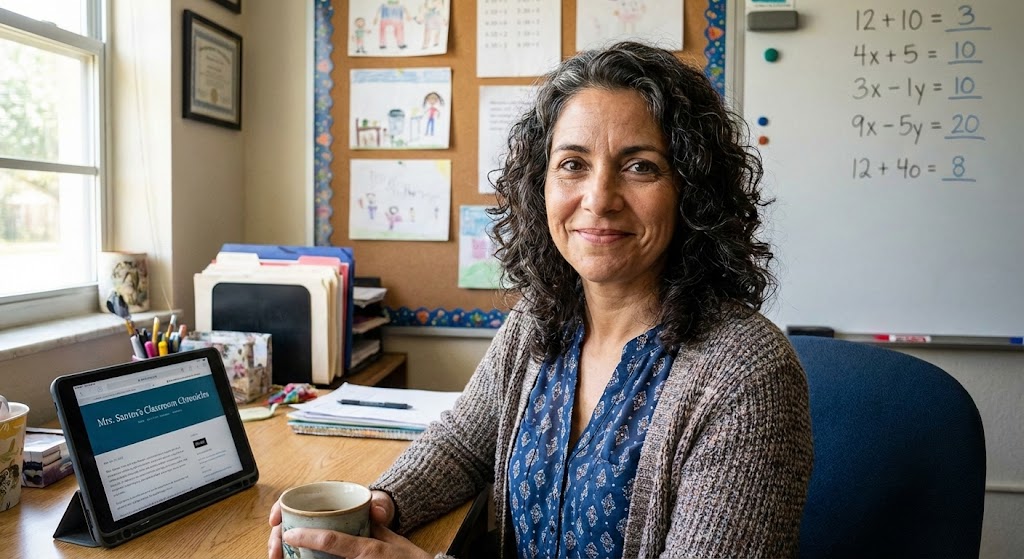
Maria Santos
Maria has been teaching 4th grade in Tampa, Florida for 22 years. Known as "the math whisperer" among her colleagues, she writes about the real challenges and victories of teaching in Florida's public schools.
When she's not grading papers or creating lesson plans, you can find Maria at her local teacher supply store (with coupons in hand) or sharing teaching tips over cafecito with her teacher friends.
View Full Profile →Related Articles
When Parents Say "My Child Would Never" (And What We Do Next)
Parent communication tip: Last Tuesday, I called Mrs. Rodriguez to discuss her son Miguel's behavior...
How to Talk to Parents About Test Scores Without Making Everyone Cry
Parent communication tip: Last week, I watched a parent's face crumple as I explained her daughter's...
Ready to Improve Your FAST Scores?
Upload your class data and get personalized IXL success plans in seconds.
Try It Free