Conference Prep That Actually Works (And Won't Drive You Crazy)
Last week, I watched my colleague Jennifer frantically shuffling through a mountain of papers five minutes before her first parent conference. She had grade printouts, behavior charts, work samples, and sticky notes everywhere. The poor woman looked like she was preparing for a dissertation defense, not a chat with little Emma's mom.
I've been there, mija. In my early years, I thought impressive meant overwhelming. I'd print everything, highlight everything, and then spend the entire conference drowning parents in data while they sat there with glazed eyes.
Twenty-two years later, I've learned that the best conferences feel like conversations, not presentations. Here's how I prep now, and trust me, it works so much better.
Start with the Story, Not the Scores
Before I look at a single test score or assignment, I think about each child's story this quarter. What breakthrough moments did they have? What challenges are they facing? What makes them light up in class?
For example, when I meet with Roberto's parents next week, I'm not starting with his reading level. I'm starting with how he's become the class helper who notices when other kids need pencils. That's the real Roberto, and that's what his parents need to hear first.
Write down one positive story for each child before you touch any data. This becomes your opening, and it sets the tone for everything else.
The Three-Pile System
Here's my simple organization trick that has saved my sanity: three piles for each student.
Pile 1: The Celebration Pile One piece of work that shows growth or effort. Not their best work necessarily, but something that tells a story. Maybe it's the math worksheet where they finally showed their thinking, or the writing piece where they took a risk with a new word.
Pile 2: The Reality Check Pile One piece that shows where they need support. This isn't about shaming anyone. It's about being honest so we can help.
Pile 3: The Next Steps Pile This is just my notes about 2-3 specific things we're working on. Not a novel, just bullet points.
That's it. Three things per kid. If you can't fit it in three piles, you're probably overcomplicating it.
Practice Your "Difficult" Conversations
We all have those conferences we're dreading. Maybe it's the parent who emails you daily, or the one who thinks their child can do no wrong, or the one who seems checked out completely.
I literally practice these conversations out loud while I'm driving home. (Thank goodness for tinted windows, porque I probably look crazy talking to myself.)
For the helicopter parent, I practice phrases like: "I can see how much you care about Sofia's success. Let me share what I'm seeing in the classroom and how we can work together."
For the defensive parent, I try: "Marcus has so many strengths. I want to share some areas where a little extra support could help him shine even brighter."
For the checked-out parent, I go with: "Aisha is lucky to have you in her corner. Here's what's happening at school and some simple ways you can support her at home."
Having these phrases ready means I'm not fumbling for words when emotions run high.
The Magic Question That Changes Everything
Here's the question that transformed my conferences: "What are you seeing at home?"
I ask this early and then I actually listen. Really listen.
Last year, I was concerned about David's attention issues until his mom mentioned he'd been worried about his deployed dad. Suddenly everything clicked, and we could address the real issue.
When Sophia's parents shared that she'd been asking for harder math problems at home, I realized I'd been underestimating her abilities.
Parents see a different side of our kids. We need that information to do our jobs well.
Keep It Real About Time
Fifteen minutes goes by fast, especially when you're trying to build relationships and share important information.
I set a gentle timer for 12 minutes. When it goes off, I wrap up with next steps and contact information. This keeps me on track and ensures the next family isn't waiting in the hallway.
If we need more time, I schedule a follow-up. Most parents appreciate this more than feeling rushed through important topics.
The Follow-Up That Seals the Deal
Here's what separates good conferences from great ones: the follow-up.
Within a week of conferences, I send a quick email to each family. Nothing fancy, just a recap of what we discussed and those next steps we agreed on.
"Hi Mrs. Rodriguez! Thanks for taking time to meet yesterday. As we discussed, we're working on Roberto's reading fluency with 10 minutes of practice at home. I'll check in with you in two weeks to see how it's going. Roberto should be proud of his growth in math this quarter!"
This shows parents you were listening and that you're committed to following through. Plus, it gives them something to reference later when they forget the details (because let's be honest, we all forget details).
When Technology Actually Helps
I keep a simple notes app on my phone where I jot down things throughout the quarter that I want to remember for conferences. When Marcus makes a sweet comment about his little sister, when Alyssa finally masters those multiplication facts, when Carlos shows kindness to a struggling classmate.
These little moments are gold during conferences, but they're impossible to remember without writing them down. Your phone is always with you anyway, so use it.
Remember Why We're Really Here
At the end of the day, conferences aren't about proving how much data we've collected or how organized our filing systems are. They're about building partnerships with the people who love our students most.
Some of my best conferences have been the ones where we barely looked at paperwork because we were too busy problem-solving together or celebrating a child's growth.
Your students are lucky to have teachers who care enough to prep thoughtfully for these conversations. That care shows, even when the conference doesn't go perfectly.
Trust yourself, trust the relationships you've built, and remember that most parents just want to know their child is seen, valued, and supported. You've got this, and you're doing more good than you know.
Now go practice those conversations in your car like the rest of us. No judgment here.
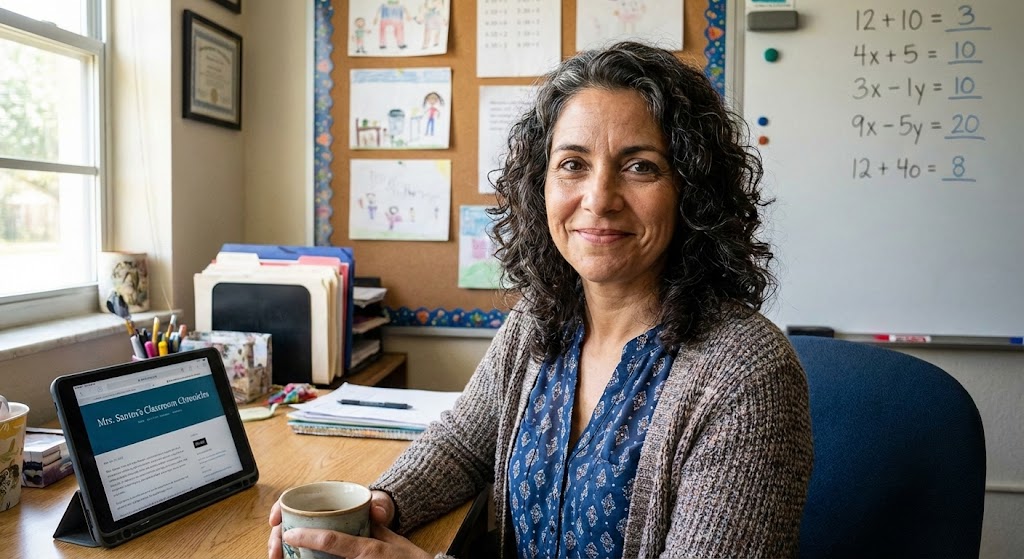
Maria Santos
Maria has been teaching 4th grade in Tampa, Florida for 22 years. Known as "the math whisperer" among her colleagues, she writes about the real challenges and victories of teaching in Florida's public schools.
When she's not grading papers or creating lesson plans, you can find Maria at her local teacher supply store (with coupons in hand) or sharing teaching tips over cafecito with her teacher friends.
View Full Profile →Related Articles
When Parents Are More Stressed Than Kids About School (And How We Can Help)
Parent communication tip: Last week, I watched a mom literally shake during our parent conference. H...
When Parents Are More Stressed Than Kids About School (And What We Can Do About It)
Parent communication tip: Last week, I watched a mom literally shake during our parent conference. H...
Ready to Improve Your FAST Scores?
Upload your class data and get personalized IXL success plans in seconds.
Try It Free