Conference Prep That Actually Works (And Won't Make You Want to Hide Under Your Desk)
Last Tuesday, I watched my colleague Jennifer sprint to the bathroom between conferences looking like she'd rather face a Category 5 hurricane than sit through one more awkward conversation about why little Timmy isn't turning in his homework. I get it, mija. I really do.
My first year teaching, I went into conferences armed with nothing but a stack of graded papers and good intentions. Let's just say it didn't go well. Mrs. Rodriguez asked me what her daughter's reading level was, and I literally shuffled through papers for five minutes trying to find something that looked official enough to answer her question.
Twenty-two years later, I've learned that good conferences aren't about having all the answers. They're about having the right preparation and creating space for real conversation.
Start With Your Why (And Theirs)
Before you even think about what papers to pull or which data to review, ask yourself this: What do I want this parent to walk away knowing? Not everything. Just the most important thing.
For struggling students, it might be one specific skill they can practice at home. For your high achievers, it might be how to challenge them without overwhelming them. For the kids in the middle (bless them, they get overlooked so often), it might be celebrating growth that doesn't show up on test scores.
But here's the thing we forget: parents have a "why" too. They're not coming to hear us talk about standards and data points. They want to know if their child is happy, if they're learning, and if there's anything they should be worried about.
Start every conference by asking, "What questions do you have about how things are going?" Then actually listen to their answer.
The Three-Folder System That Saved My Sanity
Ay, dios mio, the amount of time I used to waste digging through files during conferences. Now I use what I call the Three-Folder System, and it's changed everything.
Folder One: The Good Stuff This isn't just high test scores (though those go in here too). I'm talking about the note little Emma wrote about how much she loves reading now. The photo of Marcus's face when he finally understood fractions. The improvement in Sofia's handwriting over three months. Parents need to see their child's growth, not just their gaps.
Folder Two: The Work Samples Three pieces of work that tell a story. Beginning of year, middle, and recent. Same skill or concept if possible. Let the work speak for itself. When you can show a parent how their child's writing went from two sentences to a full paragraph, that's worth more than any test score.
Folder Three: The Action Plan This is where I keep my notes about what we're working on next, specific strategies that are helping their child, and concrete things they can do at home. Notice I said concrete. "Help with homework" isn't helpful. "Practice math facts for 10 minutes using these specific flashcards" is.
The Magic of the Two-Minute Preview
Here's something I wish someone had told me years ago: the first two minutes of a conference set the tone for everything that follows.
I used to dive straight into academic talk. Big mistake. Now I always start with something I genuinely appreciate about their child. And I don't mean generic stuff like "she's so sweet." I mean specific observations.
"Miguel always holds the door for classmates, and yesterday I watched him help a kindergartner tie his shoe without being asked."
"Isabella asks the most thoughtful questions. Last week she wondered why authors choose certain words, and it led to this amazing class discussion."
"Carlos has this quiet leadership style. When kids are struggling with a concept, they naturally gravitate toward him for help."
This isn't fluff. This is you showing parents that you see their whole child, not just their test scores.
When Things Get Tough
Let's be real. Some conferences are hard. Maybe the kiddo is struggling academically. Maybe there are behavior concerns. Maybe the parent is defensive or upset.
I learned this the hard way: never start a difficult conversation with the problem. Start with the relationship.
"I can see how much you love David, and I want you to know that I care about him too. Let's figure out together how we can help him be successful."
Then present challenges as puzzles to solve together, not judgments to defend against. "I've noticed David seems to shut down during math. Have you seen anything like that at home? What do you think might help him feel more confident?"
The word "together" is magic in these conversations. Use it liberally.
The Home Connection That Actually Works
Pero here's where most of us mess up: we send parents home with a laundry list of things to work on. Overwhelming much?
Pick one thing. Just one. Make it specific, achievable, and connected to something they're already doing.
Instead of "practice reading at home," try "read together for 15 minutes before bedtime, and ask your child to predict what might happen next in the story."
Instead of "work on math facts," try "while you're cooking dinner, have your child count ingredients or help you double a recipe."
Give them one success to build on, not ten things to stress about.
After the Conference
Don't let the conversation end when they walk out your door. Send a follow-up email within a day or two summarizing what you discussed and the one thing you agreed to focus on.
"Thanks for taking time to meet yesterday. As we discussed, we're going to work on building Emma's confidence in math by celebrating small wins and using hands-on manipulatives. At home, you'll try the bedtime math story problems we talked about. Let's check in again in a few weeks to see how things are going."
This shows parents you're invested beyond that 20-minute time slot.
The Real Truth About Conference Success
After all these years, I've realized something: the best conferences aren't the ones where I sound the smartest or share the most data. They're the ones where parents leave feeling heard, informed, and hopeful.
They're the conversations where we laugh together about their child's quirky habits. Where we problem-solve as a team. Where parents walk away knowing that their kid has an advocate in their corner.
We're not trying to impress anyone or prove how much we know. We're trying to build bridges between home and school so kids can succeed on both sides.
Your conferences don't have to be perfect. They just have to be real, prepared, and focused on what matters most: helping each child grow.
Now go forth and conference with confidence. You've got this, and your students are lucky to have you in their corner.
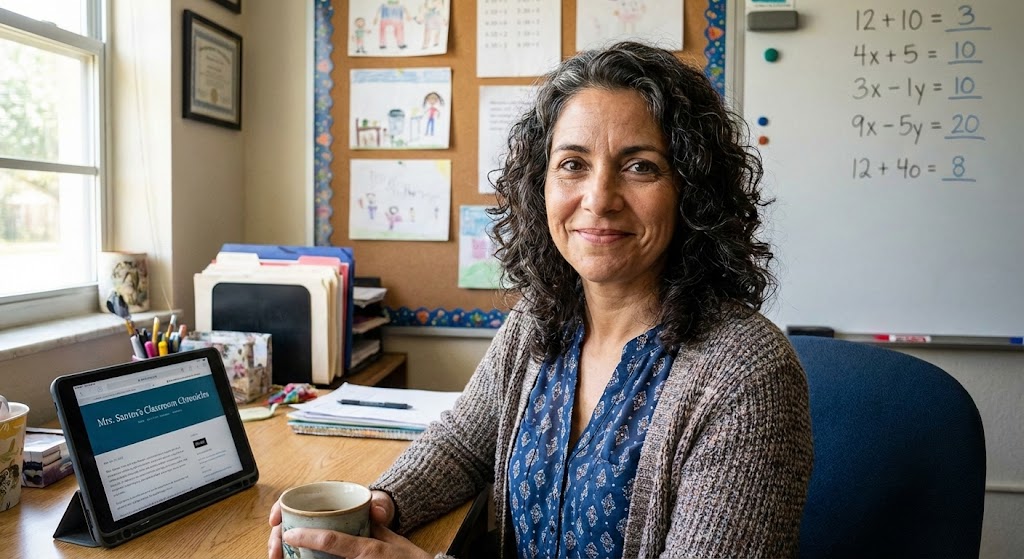
Maria Santos
Maria has been teaching 4th grade in Tampa, Florida for 22 years. Known as "the math whisperer" among her colleagues, she writes about the real challenges and victories of teaching in Florida's public schools.
When she's not grading papers or creating lesson plans, you can find Maria at her local teacher supply store (with coupons in hand) or sharing teaching tips over cafecito with her teacher friends.
View Full Profile →Related Articles
When Parents Say "My Child Would Never" (And What We Do Next)
Parent communication tip: Last Tuesday, I called Mrs. Rodriguez to discuss her son Miguel's behavior...
How to Talk to Parents About Test Scores Without Making Everyone Cry
Parent communication tip: Last week, I watched a parent's face crumple as I explained her daughter's...
Ready to Improve Your FAST Scores?
Upload your class data and get personalized IXL success plans in seconds.
Try It Free