Dear First-Year Teacher: You're Going to Make It (I Promise)
I still remember my first August in a Florida classroom twenty-two years ago. The air conditioning was broken, I had thirty-two third graders crammed into a space meant for twenty, and I'd already cried twice before lunch. By October, I was googling "careers that don't require talking to children."
If that sounds like your life right now, mija, take a deep breath. You're not failing. You're just learning, and learning is messy.
I wish I could sit down with every first-year teacher in Florida and share what I've learned from two decades in the trenches. Since I can't do that, this blog post will have to do.
The Florida Reality Check
Let me be honest about what nobody tells you in education school. Teaching in Florida comes with unique challenges that your professors up north never mentioned.
Our kids come back to school in August when it's still blazing hot, and they're cranky from spending three months mostly indoors because it's too hot to play outside. We deal with hurricane days that throw off our pacing guides. We have tourists' kids enrolling mid-year who've never heard of FAST testing.
And don't get me started on the politics. Every few years, we get new standards, new tests, new acronyms to learn. I've taught through FCAT, FCAT 2.0, FSA, and now FAST. My advice? Focus on good teaching. The rest is just paperwork.
Your Survival Kit: What Actually Matters
Get Your Classroom Management Down First
I used to think I needed to be the "cool teacher" who was friends with all my students. Ay, Dios mío, what a mistake. Kids need boundaries more than they need a buddy.
Start strict. You can always lighten up later, but it's nearly impossible to tighten up once you've lost control. I learned this the hard way when my first class walked all over me until November.
Here's what works: Clear expectations, consistent consequences, and lots of positive reinforcement for the kids who are doing the right thing. Don't just catch the troublemakers. Catch the quiet ones being good too.
Master the Art of Parent Communication
Florida parents are involved, and that's mostly wonderful. But it can feel overwhelming when you're getting emails about everything from homework policies to snack choices.
Set boundaries early. I send a newsletter every Friday with the week's highlights and next week's preview. This cuts down on the "what did you do today?" emails by about 80%.
When you do have difficult conversations, remember that parents are on their child's team, not against you. Start every tough conversation with something positive about their kid. "Marcus is such a kind friend to others, and I want to help him be more successful with his math facts."
The Paperwork Mountain (And How to Climb It)
Let's talk about the elephant in the room. The paperwork in Florida schools can feel endless. Lesson plans, data sheets, progress monitoring, IEP documentation, the list goes on.
Here's what I wish I'd known: You don't have to reinvent the wheel.
Find Your Tribe
The teacher next door has been doing this for fifteen years. She has systems, templates, and shortcuts that will save you hours. Ask her. Most veteran teachers love helping newbies, but we won't force our help on you.
Join your grade level's group chat. Follow Florida teacher Facebook groups. We're all in this together, and sharing resources isn't cheating, it's surviving.
Work Smarter, Not Harder
You don't need Pinterest-perfect bulletin boards. Your kids need a teacher who isn't exhausted from staying up until midnight cutting out laminated decorations.
Focus your energy on planning engaging lessons and building relationships. The cute classroom Instagram photos can wait until year three.
Dealing with the Hard Days
Some days, everything will go wrong. The copier will break, three kids will throw up, and your principal will pop in for an observation right when your lesson falls apart.
I remember one particularly awful day in my second year. Little Sofia had a meltdown, the fire alarm went off during math, and I discovered I'd been teaching the wrong lesson all week. I sat in my car after school and sobbed.
The next morning, Sofia brought me a drawing of the two of us with a big heart. She'd completely forgotten about her meltdown, but she remembered that I'd sat with her until she felt better.
That's the thing about kids. They're incredibly forgiving. They don't need you to be perfect. They need you to care, and you obviously do, or you wouldn't be reading this.
The Florida Teacher Timeline
Here's what to expect as the year progresses:
August-September: Everything feels overwhelming. You're learning names, routines, and wondering if you made a terrible mistake.
October-November: You start to feel like maybe you can do this. Then parent conferences happen and you question everything again.
December-January: Winter break saves your sanity. You come back refreshed and ready to tackle the second half.
February-March: Testing season arrives. Remember, you're more than a test score, and so are your kids.
April-May: You realize you're actually going to miss these crazy kids. You start planning for next year.
Taking Care of Yourself
This job will consume every minute you give it. Set boundaries now, before you burn out.
Leave school at school sometimes. I know it's hard when you care so much, but your family needs you too. My husband Carlos still jokes that he married me but I'm married to my classroom.
Find something outside of teaching that brings you joy. For me, it's cooking and reading trashy novels. For you, it might be yoga or painting or hiking.
And please, please don't compare yourself to the veteran teachers around you. We've had decades to collect resources, build relationships, and figure out what works. You'll get there.
The Truth About Year One
Your first year won't be your best year. It probably won't even be a good year by your future standards. But it will be the year you learn the most, grow the most, and discover just how strong you really are.
You're going to make mistakes. We all did. I once sent a kid to the wrong bus and spent twenty minutes in a panic before finding him in the office. I've called parents by the wrong name, mixed up lunch counts, and taught entire lessons with my shirt buttoned wrong.
Your kids will remember your kindness, not your mistakes.
You've Got This
On the days when you feel like you're drowning, remember why you started. You wanted to make a difference in kids' lives, and you are. Even when it doesn't feel like it.
That kid who struggles with reading but lights up during your science experiments? You're making a difference.
The quiet one who finally raised her hand to answer a question? You created that safe space.
The class clown who stayed after school to help you clean up? You built that relationship.
Teaching in Florida isn't easy, pero it's worth it. You're going to make it through this first year, and you're going to be amazing.
Trust me. I've been watching new teachers find their way for over two decades, and the ones who care enough to read blog posts like this? They always make it.
Welcome to the best, hardest, most rewarding job in the world. We're glad you're here.
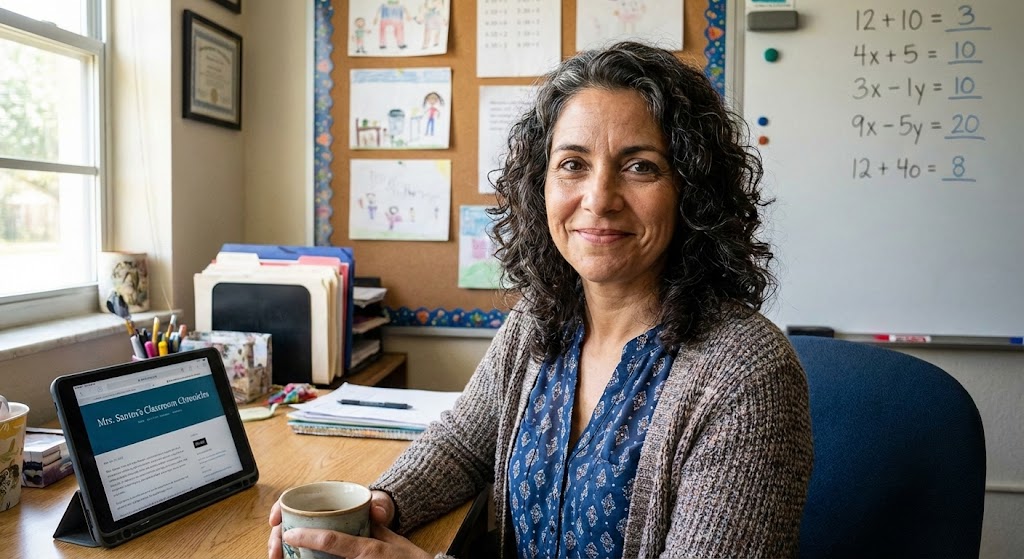
Maria Santos
Maria has been teaching 4th grade in Tampa, Florida for 22 years. Known as "the math whisperer" among her colleagues, she writes about the real challenges and victories of teaching in Florida's public schools.
When she's not grading papers or creating lesson plans, you can find Maria at her local teacher supply store (with coupons in hand) or sharing teaching tips over cafecito with her teacher friends.
View Full Profile →Related Articles
Hurricane Days Are Coming: What Every Florida Teacher Needs to Do Before and After the Storm
Florida teacher tip: I still think about Hurricane Irma. It was 2017, and I had just finished settin...
Dear First-Year Florida Teacher, Nobody Warned You About This
Florida teacher tip: I remember standing in my classroom in late August, sweating through my cardiga...
Ready to Improve Your FAST Scores?
Upload your class data and get personalized IXL success plans in seconds.
Try It Free