Hurricane Days: What I Wish I'd Known My First Storm Season
Last Tuesday, I was explaining fractions to my fourth graders when little Sofia raised her hand and asked, "Mrs. Santos, what if the hurricane comes and we can't do our math test?"
Twenty-two years ago, fresh out of college, I would have stumbled through some vague answer about "we'll figure it out." Now? I smiled and said, "Mija, we're going to be just fine. Mrs. Santos has a plan."
Because here's the truth nobody tells you in teacher prep programs: In Florida, hurricane season isn't just weather. It's a whole different way of teaching from June through November.
Before the Storm: Prep That Actually Matters
My first hurricane season teaching, I spent hours laminating everything in sight, thinking I was being so prepared. Ay, Dios mío, what a waste of time. The real prep work isn't about protecting your bulletin boards (though do take down anything that could become a projectile).
Start with your students' emotional needs. Kids pick up on our anxiety faster than a barometer drops. I learned this the hard way during Hurricane Charley when I was practically vibrating with stress, and my whole class started melting down.
Now I have what I call my "hurricane routine." We talk about storms like we talk about fire drills. Matter of fact, but not scary. I tell them hurricanes are just Florida's way of giving us extra family time, and we always come back to school afterward.
Create your emergency contact system early. Don't wait until there's a storm in the Gulf. I keep a simple spreadsheet with parent phone numbers, email addresses, and backup contacts. Every August, I send home a form asking parents how they prefer to receive updates during emergencies. Some still want phone calls, others prefer texts or emails.
Pack your teaching survival kit. This isn't your cute teacher emergency bag with band-aids and stickers. This is your "school might be closed for two weeks" kit. Mine includes:
- Student roster with contact info
- Grade book (backed up digitally and printed)
- Two weeks' worth of review materials that don't need copies
- Basic supplies (pencils, paper, markers)
- Chargers for all devices
- Snacks that won't spoil
Trust me, you don't want to be the teacher trying to recreate your grade book from memory after the storm passes.
During the Storm: Staying Connected
The hardest part about hurricane days isn't the wind or rain. It's the silence. No little voices asking if they can go to the bathroom for the fifteenth time. No papers to grade. Just waiting.
But this is when our kids need us most. Not for worksheets or video calls (please, let's give families a break from screens during power outages), but for reassurance.
I send one text or email per day during the storm. Nothing fancy. "Thinking of my amazing class today. Can't wait to hear your storm stories when we get back. Stay safe, families."
Don't try to teach during the actual hurricane. I made this mistake during my third year, sending home packets and expecting kids to keep up with lessons while their families were dealing with evacuations and power outages. The guilt still keeps me up sometimes.
Our job during the storm is to be a calm, consistent presence. Save the teaching for when life feels normal again.
After the Storm: The Real Work Begins
Here's what they don't tell you about post-hurricane teaching: some kids will bounce back immediately, chattering about the adventure. Others will be dealing with trauma, displacement, or family stress that makes long division seem impossible.
Throw out your lesson plans for the first week back. I know, I know. We're already behind, the FAST test is looming, and administration wants to know when we'll be "back on track." But pushing academic content when kids are emotionally scattered is like trying to plant seeds in a flooded field.
Instead, focus on community building. We share storm stories (the funny ones, not the scary ones). We write thank you cards to cleanup crews. We practice our routines until school feels safe and predictable again.
Watch for the quiet ones. After Hurricane Ian, I had a student named Marcus who went from class clown to barely speaking. Turns out his family had been staying in three different places since the storm, and he was exhausted. A quick check-in with our guidance counselor and some flexible expectations helped him find his footing again.
Be flexible with everything. Homework policies, test dates, project deadlines. Some families are still dealing with insurance, repairs, or temporary housing weeks after the storm. The math worksheet can wait. The child's sense of security cannot.
Building Your Hurricane Teaching Toolkit
Over the years, I've collected activities that work perfectly for those weird post-storm days when half your class is absent and everyone's energy is scattered.
Story circles work magic. Kids need to process what happened, and sharing stories helps them do it safely. I start with my own (age-appropriate) hurricane story, then let them share if they want to.
Collaborative art projects give us something beautiful to focus on while we wait for normal to return. Last year, we created a "Community Helpers" mural after Hurricane Nicole, celebrating everyone who helped our neighborhood recover.
Simple science experiments about weather, air pressure, or water cycles suddenly become incredibly relevant. Kids who lived through the storm are naturally curious about how it all works.
Taking Care of Yourself Too
Pero let's be real for a minute. We can't pour from an empty cup, and hurricane season is emotionally exhausting for teachers too. Maybe your own house flooded. Maybe you're dealing with insurance headaches while trying to support your students through theirs.
Give yourself permission to not be perfect. The year my roof leaked and I was teaching with buckets in my living room, I had to accept that some lessons would be mediocre. Some papers would get graded late. And that was okay.
Lean on your teacher tribe. Text your teacher friends. Share resources. Vent when you need to. We're all in this together, and isolation makes everything harder.
The Silver Lining
Here's the beautiful thing about hurricane season teaching: it strips away all the non-essential stuff and reminds us why we really do this job. Not for test scores or data points, but for the kids who need us to be their steady, safe place when the world feels chaotic.
After every storm, I'm amazed by how resilient our students are, how families come together, how communities rebuild stronger. And somehow, despite missed days and disrupted plans, learning still happens. Maybe not the learning we had scheduled, but the kind that really matters.
So to my fellow Florida teachers gearing up for another hurricane season: we've got this. Stock your emergency kit, hug your students a little tighter, and remember that sometimes the most important lesson we teach is simply showing up.
Stay safe out there, and remember: we always come back stronger.
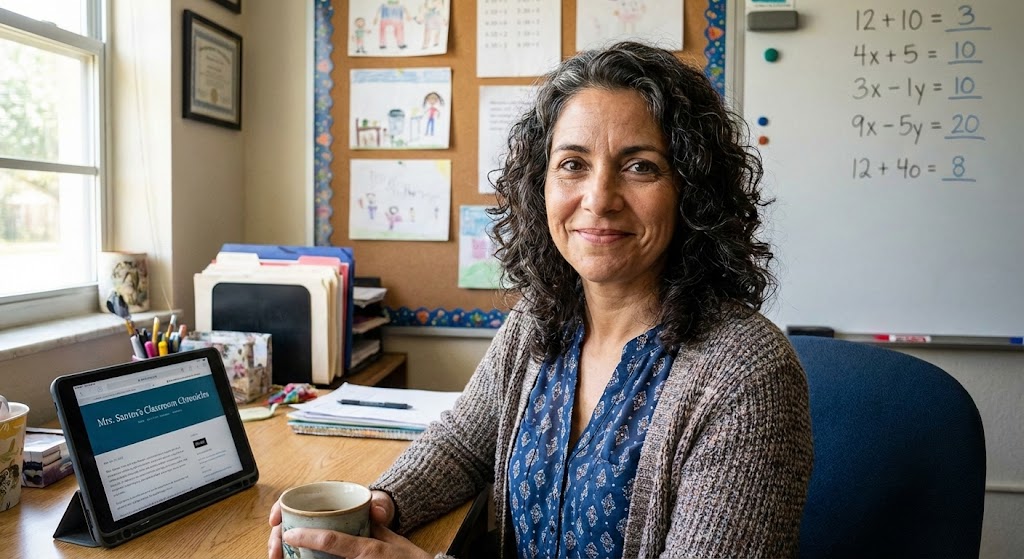
Maria Santos
Maria has been teaching 4th grade in Tampa, Florida for 22 years. Known as "the math whisperer" among her colleagues, she writes about the real challenges and victories of teaching in Florida's public schools.
When she's not grading papers or creating lesson plans, you can find Maria at her local teacher supply store (with coupons in hand) or sharing teaching tips over cafecito with her teacher friends.
View Full Profile →Related Articles
When Your Classroom Feels Like a Sauna and You Still Have to Teach Fractions
Florida teacher tip: It was 2:15 PM on a Thursday in September when I heard that dreaded sound. You ...
What I Wish I Knew About FAST Testing (Before I Learned the Hard Way)
Florida teacher tip: Picture this: It's March 2019, and I'm standing in front of my computer screen ...
Ready to Improve Your FAST Scores?
Upload your class data and get personalized IXL success plans in seconds.
Try It Free