Florida Teacher Certification: What They Don't Tell You (But I Will)
Last week, my neighbor's daughter called me in tears. She'd just graduated with her education degree and was drowning in Florida's certification requirements. "Mrs. Santos," she sobbed, "why didn't anyone tell me it would be this complicated?"
Ay, mija. If I had a dollar for every time I've heard that question.
Listen, I've been navigating Florida's teacher certification maze for over two decades. I've watched the requirements change more times than I can count, and I've seen too many good teachers get frustrated and give up before they even start.
So let's talk about the real story. The stuff they don't put in the pretty brochures.
The Initial Certification Reality Check
First things first: Florida actually has one of the more straightforward paths to teacher certification compared to other states. But "straightforward" doesn't mean "simple."
You'll need your bachelor's degree, obviously. But here's what caught me off guard back in 2002: the state approval process takes forever. I'm talking months, not weeks. Start your paperwork early, like yesterday early.
The Florida Teacher Certification Examinations (FTCE) are your next hurdle. I failed my first attempt at the Professional Education Test. Failed it spectacularly. Turns out, knowing how to teach kids and knowing how to answer multiple choice questions about teaching kids are two very different skills.
Here's my advice: don't just study the content. Practice the test format. Those questions are tricky, and they're designed to make you second-guess yourself.
The Subject Area Exam Surprise
If you're planning to teach elementary like me, you'll take the Elementary Education K-6 exam. It covers everything from math to social studies to art. Everything.
I remember sitting in that testing center thinking, "When was the last time I studied photosynthesis?" The answer was high school biology, and it showed.
Don't make my mistake. Even if you're confident in your subject area, review everything. The Florida Department of Education provides competency lists for each exam. Use them. They're not suggestions; they're your roadmap.
Alternative Certification: A Lifeline for Career Changers
Florida's alternative certification programs are actually pretty decent. I've worked with several teachers who came through these programs, and some of them are the best educators I know.
My colleague Roberto was an engineer for fifteen years before switching to teaching. He went through the Professional Development Certification Program, and now he's our go-to guy for making math real for kids.
But here's the catch: alternative certification means you're learning on the job. It's intense. You're teaching full-time while completing your certification requirements. It's doable, but don't underestimate the workload.
The Continuing Education Treadmill
Getting certified is just the beginning. Florida requires 120 hours of professional development every five years to renew your certificate. That's 24 hours per year, minimum.
Some districts are great about providing these hours through workshops and training. Others? Not so much. You'll need to be proactive about finding approved courses.
Here's a tip that's saved me countless hours: when you attend any training, immediately log it in your professional development record. Don't wait. I once spent an entire weekend trying to track down certificates from workshops I'd attended months earlier.
The FAST Data Connection
Speaking of professional development, one thing that's been a game-changer for me is learning to really use our assessment data. When those FAST scores come back, I run them through FastIXL to get specific IXL skill recommendations for each student. It turns those numbers into actual instruction plans.
This kind of data literacy isn't really covered in certification programs, but it should be. We're expected to use data to drive instruction, but nobody teaches us how.
The Hidden Costs Nobody Mentions
Let's talk money, because nobody else will. Getting certified costs more than just the exam fees.
You'll pay for fingerprinting and background checks. You'll probably need to take courses or buy study materials. If you're doing student teaching, you're working for free while paying tuition.
And once you're certified? The professional development hours often come out of your own pocket. I budget about $300 per year for certification maintenance. It's not huge, but it adds up.
The Endorsement Game
Florida loves endorsements. Reading, ESOL, Gifted, Autism Spectrum Disorders. Each one requires additional coursework or exams, but they make you more valuable and versatile.
I added my ESOL endorsement five years into my career, and it completely changed how I teach. Not just my English learners, but all my students. The strategies you learn apply to everyone.
My advice? Pick endorsements that match your interests and your school's needs. Don't just collect them to collect them.
When Things Go Wrong
Here's what they definitely don't tell you: sometimes the system messes up. Paperwork gets lost. Exam scores disappear. Renewals get delayed.
I once had my certificate expire because the state lost my professional development documentation. It took three months and about twenty phone calls to sort out.
Keep copies of everything. Email confirmations, certificates, transcripts, everything. Store them digitally and print backups. Trust me on this one.
The Support You Need
The certification process can feel lonely, but it doesn't have to be. Connect with other teachers in your area. Join Facebook groups for Florida educators. Find a mentor who's been through it all.
When I was struggling with my first FTCE attempt, an experienced teacher at my school sat down with me and explained exactly how to approach those tricky scenario questions. That conversation changed everything.
My Honest Take
Is Florida teacher certification perfect? Absolutely not. The requirements change too often, the process takes too long, and some of the exams test things you'll never use in a real classroom.
But here's the thing: once you're in, you're part of something amazing. You're joining a community of educators who show up every day for kids, despite all the challenges.
The certification is just the entry ticket. The real learning happens when you close your classroom door and start teaching.
Moving Forward
If you're in the middle of the certification process right now, take a deep breath. It's overwhelming, but it's temporary. Focus on one requirement at a time, ask for help when you need it, and remember why you started this journey.
And if you're already certified but feeling lost in all the renewal requirements, you're not alone. We're all figuring it out as we go.
The state might not make it easy, but we make it work. Because at the end of the day, it's not about jumping through hoops. It's about being prepared to change lives.
What questions do you have about Florida certification? Drop them in the comments. We're all in this together, and somebody probably has the answer you need.
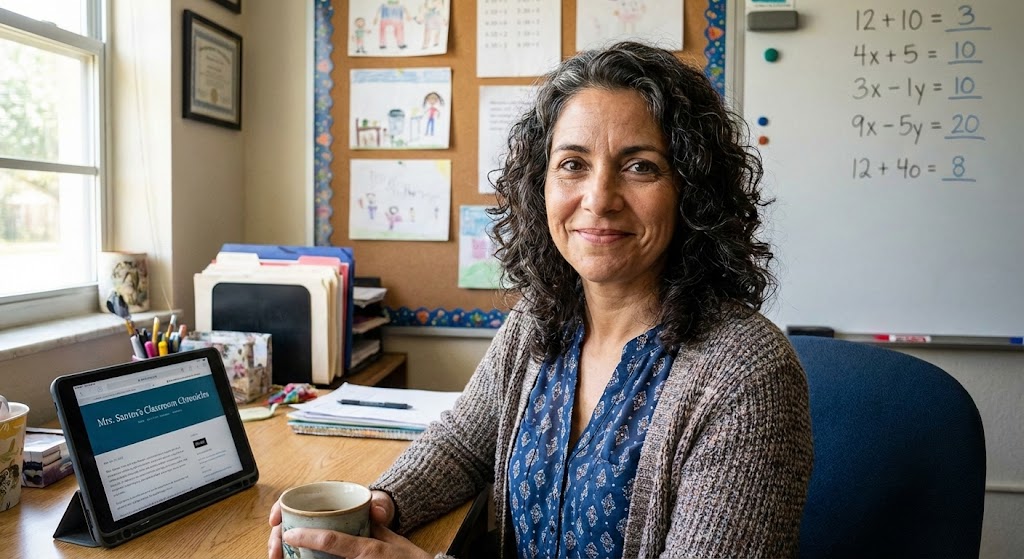
Maria Santos
Maria has been teaching 4th grade in Tampa, Florida for 22 years. Known as "the math whisperer" among her colleagues, she writes about the real challenges and victories of teaching in Florida's public schools.
When she's not grading papers or creating lesson plans, you can find Maria at her local teacher supply store (with coupons in hand) or sharing teaching tips over cafecito with her teacher friends.
View Full Profile →Related Articles
Hurricane Days Are Coming: What Every Florida Teacher Needs to Do Before and After the Storm
Florida teacher tip: I still think about Hurricane Irma. It was 2017, and I had just finished settin...
Dear First-Year Florida Teacher, Nobody Warned You About This
Florida teacher tip: I remember standing in my classroom in late August, sweating through my cardiga...
Ready to Improve Your FAST Scores?
Upload your class data and get personalized IXL success plans in seconds.
Try It Free