When Your Classroom Feels Like a Sauna and You Still Have to Teach Fractions
It was 2:15 PM on a Thursday in September when I heard that dreaded sound. You know the one. The AC unit gave one final wheeze, followed by complete silence.
The temperature outside was already pushing 95 degrees, and now my classroom was about to become a tropical greenhouse. Twenty-six fourth graders stared at me expectantly, waiting for our math lesson on equivalent fractions. I had two choices: panic or pivot.
After 22 years in Florida classrooms, I've learned that questionable AC isn't a matter of if, but when. So let me share what I've figured out about keeping kids learning when your classroom feels like the surface of the sun.
Accept Reality (And Lower Your Expectations)
First things first. When it's blazing hot and getting hotter, your perfectly planned lesson is going out the window. And that's okay.
I used to fight this. I'd push through my entire lesson plan while kids wilted like lettuce and I sweated through my cardigan (yes, I still wore cardigans in 90-degree weather back then). Nobody learned anything except that Mrs. Santos was stubborn.
Now? I cut my losses early. Hot kids can't focus, and honestly, neither can hot teachers. Plan for 20 minutes of actual instruction instead of your usual 45. Use the rest of the time for activities that don't require heavy thinking.
Move Smart, Not Hard
When the heat hits, movement becomes your best friend and worst enemy. You need to get kids moving to keep them engaged, but you can't exhaust them further.
Here's what works: slow, purposeful movement. Have kids rotate through stations at a leisurely pace. Do a walking gallery walk where they stroll around the room looking at posted problems. Play "Four Corners" but make it "Four Corners Stroll" instead of "Four Corners Sprint."
Last month when our AC died during a geometry unit, I had kids do a "Shape Scavenger Hunt" around the school. We walked the halls at turtle speed, looking for rectangles, triangles, and circles. The kids got their movement, we stayed cool in the hallway, and they actually retained more than they would have sitting in that sweatbox.
Hydration Station Becomes Learning Central
Water breaks aren't interruptions when it's this hot. They're necessities. But you can make them work for you.
I keep a stack of index cards with review questions near our water fountain. Kids grab a card, get their drink, and answer the question when they sit back down. It's automatic differentiation because they can pick their difficulty level.
"What's 3/4 + 1/4?" for kids who need practice with basics. "If 2/3 of my class of 27 students brought water bottles, how many students brought water?" for kids ready for word problems.
The best part? Kids associate the relief of cool water with math practice. Positive reinforcement at its finest.
Embrace the Floor
When kids are hot and cranky, sometimes you need to literally get on their level. The floor is usually the coolest place in the room anyway.
I pull out our classroom rugs and we have "floor school." Kids spread out, lie on their bellies, and work on individual practice. It feels different enough that they think it's special, plus they're more comfortable.
Just make sure you can get back up without groaning too loudly. These 47-year-old knees aren't what they used to be, pero we do what we have to do.
Ice Becomes Currency
Here's a trick I learned from my colleague Janet: ice packs aren't just for injuries. They're motivation goldmine when it's scorching.
I keep a few gel ice packs in the nurse's freezer. Kids can "earn" two minutes with an ice pack on their neck or wrists for completing tasks. Suddenly everyone wants to finish their math problems.
Is it bribery? Maybe. Do I care when it's 97 degrees and rising? Absolutely not.
Technology Can Be Your Friend (If It Doesn't Overheat Too)
Our laptops and tablets hate the heat as much as we do, but sometimes they can save the day. Educational videos give you a chance to dim the lights and give everyone's brains a break.
I have a playlist of math videos that are exactly 8-12 minutes long. Perfect for when I need to step into the hallway and splash cold water on my wrists (teacher self-care, mija).
Just have a backup plan because nothing says "perfect storm" like technology dying in a hot classroom.
Make Friends with Custodial Staff
This isn't really about teaching, but it's about survival. Bring Miguel in maintenance a cold Coke. Ask Rosa how her grandkids are doing. These relationships matter year-round, but especially when you need an emergency fan or a priority spot on the AC repair list.
I learned this the hard way my third year when I complained instead of collaborating. Guess whose room got fixed last? Now Miguel and I are buddies, and somehow my AC issues get resolved mysteriously fast.
The Parent Communication Game
When kids go home sweaty and exhausted, parents notice. Get ahead of it.
I send a quick message through our parent app: "Our AC is being repaired today. Kids did great despite the heat! We focused on review activities and staying cool. Everyone stayed hydrated and safe."
It shows you're aware, you're handling it, and their kids are your priority. Much better than having parents wonder why little Sofia came home looking like she ran a marathon.
Remember: This Too Shall Pass
Florida heat is temporary (even when it doesn't feel like it). Your building will get fixed. The weather will cool down. Your kids will remember that you kept them safe and learning even when things got tough.
Some of my former students still talk about the day we did "Fraction Pizza Party" sitting on the floor with ice packs when it was 98 degrees in our room. They don't remember being miserable. They remember feeling cared for.
And honestly? Those are the days that remind us why we became teachers in the first place. Not for the perfect lessons in perfect conditions, but for the moments when we figure out how to make magic happen anyway.
Stay cool out there, Florida teachers. We've got this, one degree at a time.
What are your best hot classroom survival tips? Share them in the comments. We're all in this tropical adventure together.
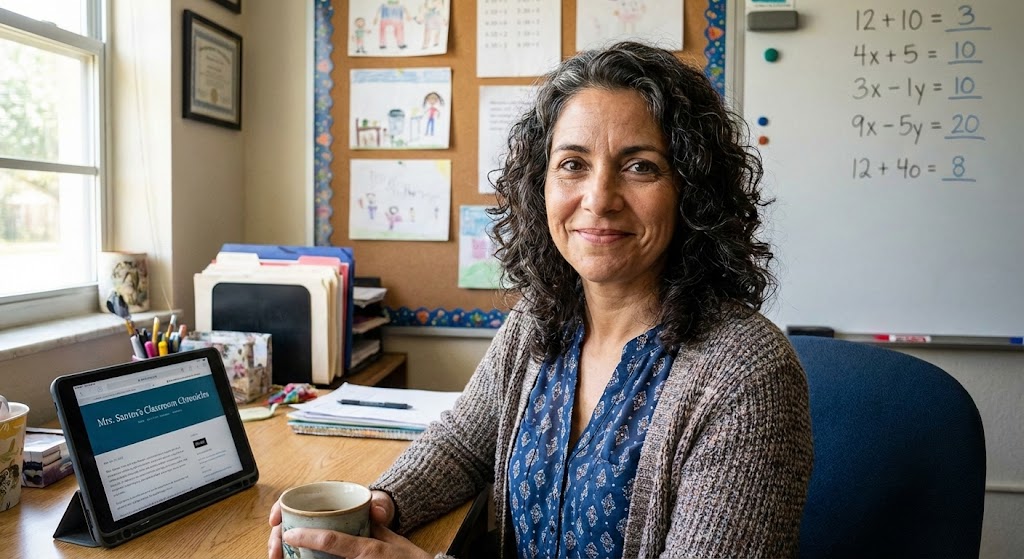
Maria Santos
Maria has been teaching 4th grade in Tampa, Florida for 22 years. Known as "the math whisperer" among her colleagues, she writes about the real challenges and victories of teaching in Florida's public schools.
When she's not grading papers or creating lesson plans, you can find Maria at her local teacher supply store (with coupons in hand) or sharing teaching tips over cafecito with her teacher friends.
View Full Profile →Related Articles
Hurricane Days Are Coming: What Every Florida Teacher Needs to Do Before and After the Storm
Florida teacher tip: I still think about Hurricane Irma. It was 2017, and I had just finished settin...
Dear First-Year Florida Teacher, Nobody Warned You About This
Florida teacher tip: I remember standing in my classroom in late August, sweating through my cardiga...
Ready to Improve Your FAST Scores?
Upload your class data and get personalized IXL success plans in seconds.
Try It Free