What I Wish I Knew About FAST Testing (Before I Learned the Hard Way)
Let me paint you a picture. It's March 2019, my first year with FAST testing, and I'm standing in my classroom at 6:30 AM frantically laminating "testing motivation" posters. I had convinced myself that the right inspirational quote about "doing your best" would somehow make up for the fact that I had no clue what I was actually preparing my kids for.
Ay, dios mio. If I could go back and shake my younger self, I would.
Five years later, after watching my students navigate FAST testing through COVID chaos, hurricanes (because Florida), and everything in between, I've learned what actually matters. And more importantly, what doesn't.
Stop Treating FAST Like It's Brand New Every Year
Here's the thing we don't talk about enough: FAST isn't going anywhere. I spent my first two years acting like it was some temporary visitor that would pack up and leave if I just ignored it long enough.
But FAST is part of our reality now. Once I accepted that, everything changed.
Instead of scrambling every spring, I started building test-taking skills into my regular routine. Not test prep, mind you. Skills. Like how to approach a multi-part question, or what to do when you're stuck on a problem.
My student Jake (bless his heart) used to panic and click through every question in five minutes just to be done. Now? He knows to take a breath, read twice, and flag questions to come back to. These aren't "test tricks." They're life skills disguised as test strategies.
The Data Conversation Nobody Prepared Me For
Let's be real. Nobody taught me how to talk to parents about FAST scores without sounding like I was reading from a DOE manual.
I remember my first parent conference after FAST results came in. Sarah's mom asked what a Level 2 meant for her daughter, and I launched into this explanation about achievement levels and scale scores that made absolutely no sense to anyone, including me.
Here's what I wish someone had told me: parents don't need a statistics lesson. They need to know what this means for their child and what we're going to do about it.
Now when I have those conversations, I focus on the story behind the score. "Sarah's results show she's solid with basic math facts, but she's struggling when problems have multiple steps. Here's how we're going to work on that together."
Much better than "She scored a 298, which places her in Level 2, indicating below satisfactory performance." Good grief.
Your Students Are Watching How YOU React
This one hit me hard during my second year with FAST. I was stressed about testing schedules, worried about scores, frustrated with the technology glitches (anyone else remember the great internet crash of 2021?), and I thought I was hiding it well.
Then my student Marcus asked me why I looked so scared about the test if it was "no big deal" like I kept saying.
Out of the mouths of babes, right?
Our kids pick up on everything. If we're treating FAST like it's this massive, terrifying thing, they will too. If we approach it like it's just another way to show what they know, they follow our lead.
I'm not saying pretend it doesn't matter. But there's a difference between taking it seriously and making it feel like the end of the world.
The Accommodations Game Changer
Here's something I learned way too late: if you have students who qualify for accommodations, become their biggest advocate. Not just during testing, but in understanding what those accommodations actually do.
I had a student, Emma, who qualified for extended time. For two years, I just made sure she got it without really thinking about why. Then I realized she was using that extra time to second-guess herself into wrong answers.
We worked together on using the accommodation strategically. Extended time isn't just about having more time. It's about having the time you need to show what you actually know.
Same thing with read-aloud accommodations, breaks, whatever your students need. Help them understand their tools, not just access them.
What Actually Helps (And What's Just Teacher Busy Work)
Let me save you some time and sanity here. You know those elaborate testing bulletin boards we all feel pressured to make? The ones with the motivational quotes and test-taking strategies in fancy fonts?
Your kids don't read them. I'm sorry, but they don't.
You know what actually helps? Consistent routines. Clear expectations. And making sure they've eaten breakfast.
I used to spend hours creating "testing survival kits" with pencils and mints and stress balls. Now I spend that time making sure my students feel confident in their regular math routines, because that's what they'll fall back on during testing.
The best test prep is good teaching. Period.
The Perspective That Changed Everything
Here's the shift that made all the difference for me: FAST testing isn't something that happens TO my classroom. It's something that happens IN my classroom.
When I started seeing it as just another part of our learning journey instead of this external threat, everything got easier. My stress went down, my students' anxiety decreased, and honestly, our scores improved too.
FAST gives me information. Sometimes it confirms what I already know about my students. Sometimes it surprises me and makes me look more closely at my instruction. But it's just information, not a judgment on my worth as a teacher or my students' worth as human beings.
Moving Forward Together
Look, I'm not going to stand here and tell you FAST testing is perfect or that we should love it. But it's part of our reality, and we can choose how to navigate that reality.
We can spend our energy fighting against something we can't change, or we can figure out how to make it work for us and our kids.
What I wish I had known from the beginning is that the best thing I could do for my students wasn't to stress about FAST testing. It was to keep being the teacher they needed every single day, test or no test.
Because at the end of the day, that's what makes the difference. Not the posters, not the pep talks, not the survival kits. Just good teaching, genuine care, and the confidence that our kids are more than any test could ever measure.
We've got this, Florida teachers. We always have.
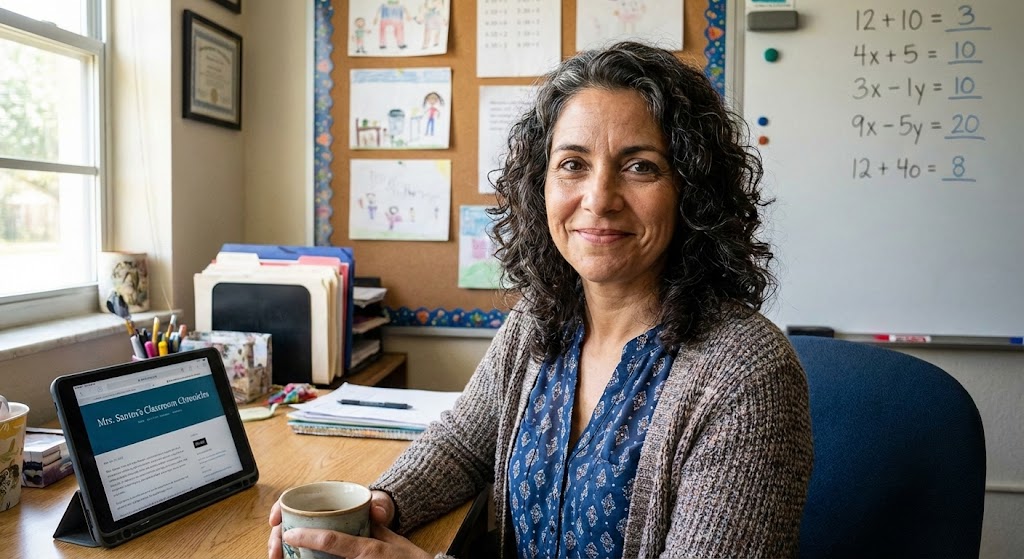
Maria Santos
Maria has been teaching 4th grade in Tampa, Florida for 22 years. Known as "the math whisperer" among her colleagues, she writes about the real challenges and victories of teaching in Florida's public schools.
When she's not grading papers or creating lesson plans, you can find Maria at her local teacher supply store (with coupons in hand) or sharing teaching tips over cafecito with her teacher friends.
View Full Profile →Related Articles
Hurricane Days Are Coming: What Every Florida Teacher Needs to Do Before and After the Storm
Florida teacher tip: I still think about Hurricane Irma. It was 2017, and I had just finished settin...
Dear First-Year Florida Teacher, Nobody Warned You About This
Florida teacher tip: I remember standing in my classroom in late August, sweating through my cardiga...
Ready to Improve Your FAST Scores?
Upload your class data and get personalized IXL success plans in seconds.
Try It Free