What I Wish I Knew About FAST Testing (Before I Made These Rookie Mistakes)
Picture this: It's 2015, and I'm standing in my empty classroom at 7 PM, surrounded by stacks of practice tests and feeling like I've failed my kids before we even started. FAST testing was still new, I was drowning in data I didn't understand, and my principal kept asking for "action plans" that I had no idea how to write.
Sound familiar?
After eight years of FAST seasons (and plenty of mistakes along the way), I've learned some things that would have saved me countless sleepless nights. If you're feeling overwhelmed by testing season, take a deep breath. We're in this together, and I promise it gets easier.
The Biggest Myth About FAST Testing
Let me start with the truth bomb that changed everything for me: FAST testing isn't about proving how good we are as teachers. It's about getting a snapshot of where our kids are so we can help them grow.
I spent my first three years treating FAST like a report card on my teaching. Every low score felt personal. Every struggling student felt like my failure. Ay, dios mio, the stress I put myself through!
Here's what I wish someone had told me: The test measures one moment in time. It doesn't capture Miguel's breakthrough in fractions last Tuesday or how Sofia finally conquered her math anxiety. It's just data, not a judgment.
What the Scores Actually Tell Us (And What They Don't)
When those FAST reports come back, they're packed with numbers that can feel overwhelming. Scale scores, achievement levels, learning gains... it's like reading a foreign language at first.
But here's the thing I learned the hard way: Focus on the trends, not the individual scores.
Is a student consistently struggling with the same concepts across multiple testing windows? That tells us something actionable. Did someone jump from Level 1 to Level 3? That's worth celebrating and analyzing what worked.
The scores don't tell us about the morning a kid didn't eat breakfast, or the fact that their parents are going through a divorce, or that they stayed up too late because there's no quiet place to sleep at home. Remember that context matters more than the numbers sometimes.
The Prep That Actually Matters
My first year with FAST, I turned my classroom into a testing boot camp. We drilled practice passages until the kids were sick of reading. I bought every prep book I could find and spent my grocery money on test-taking strategy posters.
You know what happened? My scores barely budged, and my kids hated reading by March.
Now I know better. The best FAST prep isn't test prep at all. It's good teaching, every single day.
Want to boost reading scores? Read aloud to your kids daily. Let them see you get excited about a good book. Give them choice in what they read, even if it's graphic novels or sports magazines.
For math, focus on number sense and problem-solving strategies. Teach them to explain their thinking, not just get the right answer.
The test-taking strategies matter too, but they should be a small part of your overall instruction, not the focus.
Managing the Anxiety (Yours and Theirs)
Let's be real about testing anxiety. Our kids pick up on our stress faster than we think. That year I was panicking about FAST scores? My usually confident fourth-graders were suddenly asking if they were "smart enough" and having meltdowns over practice tests.
I had to learn to manage my own anxiety first. Now I talk to my kids about FAST the same way I talk about any other assessment. It's important, but it's not the most important thing we do.
I tell them, "This test is like taking your temperature when you're sick. It gives the doctor information to help you feel better, but it doesn't change who you are."
Some practical anxiety-busters that work:
- Practice the testing platform, but don't make it a big deal
- Teach basic test strategies (read the question twice, eliminate obvious wrong answers)
- Focus on effort, not outcomes ("I'm proud of how carefully you read that passage")
- Keep your regular routines during testing week
The Data Conversation That Changes Everything
Here's something I wish I'd started doing years earlier: Include your students in the data conversation.
I used to get FAST results and immediately start planning interventions without ever talking to the kids about what the scores meant. Now I have individual conferences with each student about their results.
"Marcus, your reading score shows you're really strong with finding the main idea, but we need to work on making inferences. What do you think that means? How can we practice that together?"
These conversations do two things: They help kids understand their learning goals, and they often reveal insights that the data alone can't give us.
Last year, Camila's scores showed she was struggling with math problem-solving. When we talked about it, she told me she understood the math but got confused by all the words. That led us to work on math vocabulary and reading strategies, not just computation practice.
What to Do When Scores Disappoint
Because let's be honest, sometimes they will. You'll have that student you know is brilliant who just doesn't test well. You'll have a class that you poured your heart into but the scores don't reflect their growth.
First, give yourself permission to feel disappointed. It's natural, and it shows you care.
Then, dig deeper. Look at individual student data, not just class averages. Celebrate the wins, even if they're small. José went from Level 1 to Level 2? That's huge growth that deserves recognition.
Use the data to adjust your instruction, but don't throw out everything you're doing. Good teaching is good teaching, regardless of test scores.
The Long Game Perspective
After 22 years in the classroom, I've learned that our impact on kids goes way beyond any test score. The student who learns to love reading in your classroom might not show huge gains on FAST that year, but they'll carry that love of learning forever.
The kid who finally understands fractions because you took the time to use manipulatives and real-world examples? That confidence in math will serve them long after fourth grade.
FAST testing is part of our reality as Florida teachers, pero it's not the whole story. We're building readers, thinkers, and problem-solvers. We're teaching kids to be curious and confident and kind.
Some of that shows up on tests, and some of it doesn't. Both matter.
Moving Forward with Confidence
If you're reading this before your first FAST season, take a deep breath. You've got this. Focus on good instruction, build relationships with your kids, and remember that you're more than your test scores.
If you're a veteran feeling burned out by another year of testing pressure, I see you. This work is hard, and the pressure is real. But you're making a difference every single day, whether the data shows it or not.
We're all figuring this out together, one testing season at a time. And our kids are lucky to have teachers who care enough to keep learning and growing.
What's your biggest FAST testing challenge this year? I'd love to hear from you in the comments. Sometimes just knowing we're not alone in this makes all the difference.
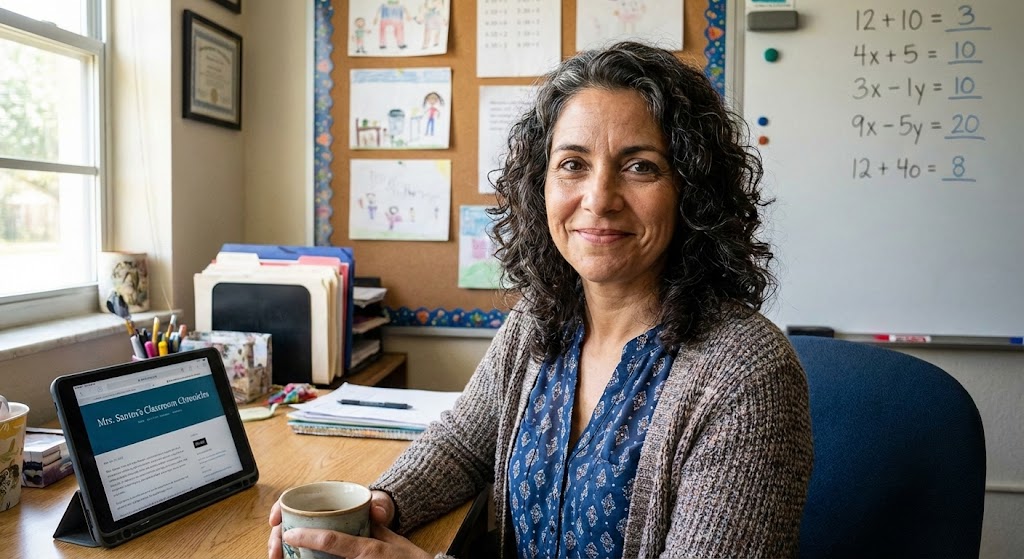
Maria Santos
Maria has been teaching 4th grade in Tampa, Florida for 22 years. Known as "the math whisperer" among her colleagues, she writes about the real challenges and victories of teaching in Florida's public schools.
When she's not grading papers or creating lesson plans, you can find Maria at her local teacher supply store (with coupons in hand) or sharing teaching tips over cafecito with her teacher friends.
View Full Profile →Related Articles
What I Wish I Knew About FAST Testing (Before I Learned the Hard Way)
Florida teacher tip: Let me paint you a picture. It's March 2019, my first year with FAST testing, a...
When Your Classroom Feels Like the Surface of Venus: Surviving Florida's Heat Without Losing Your Mind
Florida teacher tip: It was 8:47 AM on a Tuesday in September when I realized my classroom thermomet...
Ready to Improve Your FAST Scores?
Upload your class data and get personalized IXL success plans in seconds.
Try It Free