FAST Testing is Coming: Deep Breaths, Everyone
Last Tuesday, I walked into my classroom to find little Sofia already at her desk at 7:30 AM, a full hour before school starts. She looked up at me with these big worried eyes and said, "Mrs. Santos, what if I forget everything during the FAST test?"
Ay, my heart just broke a little. Here's this brilliant kid who can explain fractions using pizza slices better than some adults, and she's losing sleep over a test that's still weeks away.
Sound familiar? If your students are already showing signs of test anxiety, you're not alone. After 22 years in Florida classrooms, I've seen every testing acronym come and go. FCAT, CELLA, FSA, and now FAST. The names change, pero the stress? That stays pretty consistent.
But here's what I've learned: how WE handle testing season sets the tone for our entire classroom. Our students are watching us, picking up on our energy. If we're stressed, they're stressed. If we're confident, they feel safer.
Start With Your Own Mindset
Before we can help our kids, we need to check ourselves. I used to be that teacher who would snap at my husband Carlos for leaving dishes in the sink during testing week. Poor guy would tiptoe around the house like he was walking through a minefield.
Then one year, my principal Mrs. Rodriguez pulled me aside. "Maria," she said, "your kids can feel your anxiety from down the hall." Ouch. But she was right.
Now I remind myself of this truth: the FAST test is just one snapshot of what our students know. It doesn't capture how Miguel finally mastered long division after months of struggle. It doesn't show how Aisha became a confident reader this year. It's data, nothing more.
Take a moment right now. Breathe. Your worth as a teacher isn't determined by these scores, and your students' worth isn't either.
Creating a Calm Classroom Environment
The week before testing, I transform my classroom into what I call a "confidence zone." Here's what that looks like:
Morning affirmations become our routine. We start each day with simple statements like "I am smart," "I am prepared," and "I will do my best." It sounds cheesy, but it works. Even my most reluctant learners start believing it after a few days.
We practice test-taking strategies, not just content. I teach them my "STOP method": Stop and read the question twice, Think about what it's really asking, Organize your thoughts, and Pick the best answer. We practice this with everything from math word problems to reading passages.
Brain breaks become non-negotiable. Every 20 minutes during our practice sessions, we do something physical. Sometimes it's yoga poses, sometimes it's dancing to Bad Bunny (don't tell my principal). The key is getting their bodies moving so their minds can reset.
The Power of Realistic Preparation
Here's where I made my biggest mistake as a young teacher: I thought drilling them harder would make them more confident. Wrong. Dead wrong.
Instead of cramming, focus on building their confidence with what they already know. Review the basics. Celebrate the small wins. When Jayden correctly identifies the main idea in a paragraph, make a big deal about it. When Isabella solves a multi-step word problem, let the whole class know she's crushing it.
I also started being honest with my students about the test itself. "This test is going to ask you some things you know really well, and some things that might be tricky. That's normal. That's how tests work. Your job isn't to be perfect. Your job is to show what you know."
Practical Strategies for Test Week
Create testing day rituals. In my classroom, we have "power breakfast" (I bring in granola bars and bananas). We do three deep breaths together before they log in. Small things, but they create a sense of normalcy.
Teach them what to do when they're stuck. I tell my kids: "If you don't know an answer, that's okay. Make your best guess and move on. Don't let one hard question steal time from questions you DO know."
Have a signal system. During the test, if a student is feeling overwhelmed, they can put their pencil down and take three deep breaths. I'll notice and give them an encouraging nod. Sometimes that's all they need to refocus.
Supporting Your Struggling Learners
For our students who face extra challenges, testing season can feel especially overwhelming. This year, I have three kids who are still learning English and two who struggle with severe test anxiety.
I spend extra time with these students during our practice sessions. Not drilling content, but building their confidence. I remind them that their progress matters more than their scores. I tell them about students from previous years who struggled on tests but went on to do amazing things.
For my English learners, I make sure they know they can take their time. I remind them that being smart in two languages is a superpower, even if the test doesn't always show it.
What to Tell Parents
Parents are stressed too, and they're looking to us for guidance. Here's what I tell them:
Make sure your child gets plenty of sleep the week of testing. A well-rested brain performs better than a crammed brain every single time.
Keep routines normal. This isn't the time to suddenly change breakfast foods or bedtimes.
Remind your child that you're proud of them no matter what. The test measures what they know on one day, not their potential or their worth.
Remember Why We're Here
Last year, I had a student named Marcus who was convinced he was "bad at math." He struggled on the FAST test, but by the end of the year, he was helping other students with fractions. The test didn't capture his growth, his persistence, or his kind heart.
We teach whole children, not test scores. Yes, the data matters for planning and resources. But our real job is helping kids believe in themselves, think critically, and grow as learners.
So as FAST testing approaches, let's model the calm confidence we want to see in our students. Let's remind them (and ourselves) that they are so much more than any test score could ever measure.
You've got this, fellow teachers. Your students are lucky to have you in their corner, test scores or no test scores. Now go show them how it's done.
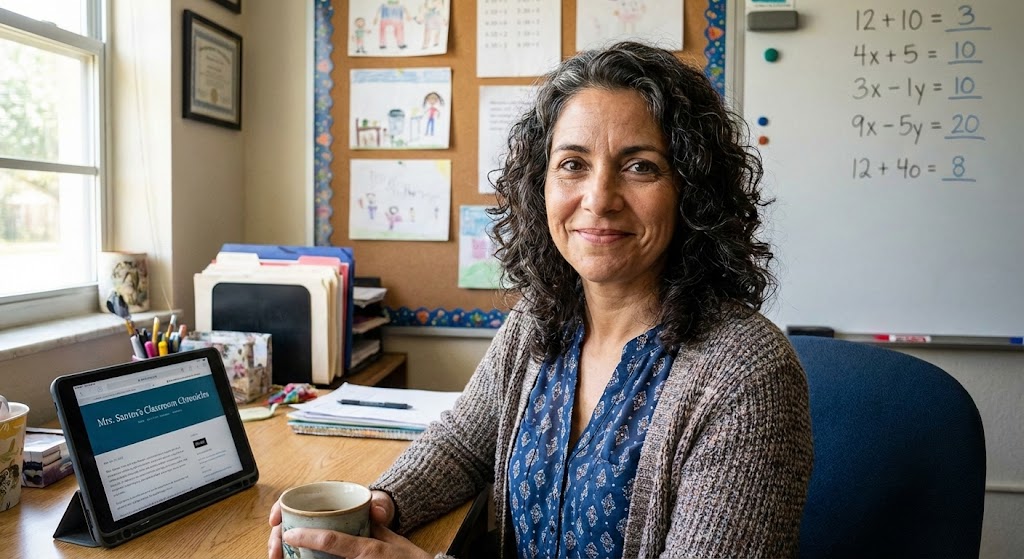
Maria Santos
Maria has been teaching 4th grade in Tampa, Florida for 22 years. Known as "the math whisperer" among her colleagues, she writes about the real challenges and victories of teaching in Florida's public schools.
When she's not grading papers or creating lesson plans, you can find Maria at her local teacher supply store (with coupons in hand) or sharing teaching tips over cafecito with her teacher friends.
View Full Profile →Related Articles
How I Actually Recover After Testing Season (And Help My Kids Do the Same)
FAST test prep tip: Last April, about three days after our final round of FAST testing wrapped up, I...
How I Help My Students (and Myself) Bounce Back After FAST Testing
FAST test prep tip: Last week, I watched little Sofia slump into her seat after our final FAST sessi...
Ready to Improve Your FAST Scores?
Upload your class data and get personalized IXL success plans in seconds.
Try It Free