My Post-Testing Recovery Plan: How We Bounce Back After FAST Season
Last Thursday, I watched little Sofia slump in her chair after finishing her FAST test, looking like she'd just run a marathon in flip-flops. "Mrs. Santos," she whispered, "can we please do something fun now?"
Ay, mija, I thought. We ALL need something fun now.
Here's the thing about post-testing season that nobody talks about in those professional development sessions: our kids are emotionally drained, we're mentally exhausted, and somehow we're supposed to keep teaching like nothing happened. But after 22 years of watching my students go through this testing gauntlet, I've learned that recovery is just as important as preparation.
The First 48 Hours: Gentle Re-entry
Those first two days after testing? Forget your regular lesson plans. I'm serious. Put them away.
Your students have been operating in high-stress mode for days. Their little nervous systems need time to reset. I learned this the hard way during my third year teaching when I jumped right back into fractions after FCAT (yes, I'm that old) and watched half my class shut down completely.
Start with community circle time. Let them talk about how they felt during testing. Don't rush this part. When Marcus shared that he was worried his mom would be disappointed if he didn't do well, it opened up a conversation that helped three other kids realize they weren't alone in their anxiety.
Bring back read-alouds if you haven't been doing them. I know, I know, we feel pressure to cram in more math and reading instruction, but trust me on this. Twenty minutes of listening to a good story does wonders for stressed-out brains.
Week One: Building Back Routine
By the end of that first week, we can start easing back into academics, but keep it light and engaging.
This is when I pull out what I call my "confidence builders." These are activities that review concepts my kids already know pretty well. We're not introducing anything new yet. We're just helping them remember that they ARE smart and capable learners.
I love using math games during this time. Four Corners with multiplication facts, Around the World with sight words, anything that gets them moving and laughing while they learn. The goal is to rebuild their confidence and remind them that learning can be joyful.
Reading response activities work great too. Let them choose their own books (within reason, of course) and respond however they want. Drawing, writing, even acting out scenes. The key is choice and low pressure.
Week Two: Data Without Drama
Now comes the part we all dread: looking at those test scores.
But here's what I've learned about data meetings and score analysis. Keep the drama out of it. Yes, we need to look at the numbers. Yes, we need to plan interventions. But we don't need to panic or make our kids feel like failures.
When I get my FAST results back, I run them through FastIXL to quickly see which specific skills each student needs to work on. It saves me hours of trying to match up standards and figure out next steps. Then I can focus on what really matters: creating a plan that actually helps my kids grow.
I group students based on similar needs, not just scores. Sometimes my highest scorer and my lowest scorer both struggle with the same concept, just at different levels. That's useful information.
The Long Game: Rebuilding Learning Stamina
Here's something nobody warned me about when I started teaching: after testing season, our kids' learning stamina is shot. They've been in survival mode for weeks, and now we're asking them to think deeply and engage with challenging content again.
We have to rebuild that stamina gradually, like physical therapy for their brains.
Start with shorter work periods and build up. If you normally do 20-minute math blocks, try 15 minutes for a week. Add brain breaks every 10-15 minutes. I use GoNoodle videos, but even just having them stand up and do jumping jacks works.
Choice boards become your best friend during this time. Give kids options for how they want to practice skills. Some kids need to move around with task cards. Others want to work quietly at their desk with worksheets. Both are fine as long as they're learning.
Taking Care of Ourselves Too
Can we talk about teacher recovery for a minute? Because we're usually so focused on helping our students bounce back that we forget we need recovery time too.
Testing season is exhausting for us. We've been cheerleaders, anxiety counselors, test proctors, and teachers all rolled into one. Carlos keeps asking me why I'm so tired when "the hard part is over." Pero he doesn't understand that the hard part is never really over, it just changes shape.
Give yourself permission to ease back into things too. Order pizza for dinner instead of cooking. Let the laundry sit for an extra day. Take a real lunch break instead of eating a granola bar while making copies.
We can't pour from an empty cup, and testing season definitely empties our cups.
Making It Meaningful
The most important thing I've learned about post-testing recovery is that it's not just about getting back to "normal." It's about creating a new normal that's better than before.
Use this time to reflect on what worked and what didn't during testing prep. What stressed your kids out unnecessarily? What actually helped them feel confident? Take notes for next year.
Also, celebrate the effort, not just the scores. When results come back, focus on growth and hard work. I write personal notes to every student highlighting something I noticed about their effort during testing. "I saw how you went back and checked your work." "You took deep breaths when you felt frustrated." "You used your strategies even when the problems were hard."
These notes mean more to them than any test score ever will.
Moving Forward Together
Recovery isn't a destination, it's a process. Some days will feel smooth and normal. Other days, you'll have a student melt down over a simple math problem because they're still carrying testing anxiety in their little bodies.
That's okay. We're all figuring this out together.
The beautiful thing about teaching is that every day is a chance to start fresh. Every morning, we get to walk into our classrooms and create something better for our kids.
So take it slow, be gentle with yourself and your students, and remember that the most important learning happens when kids feel safe, supported, and valued.
We've got this, teachers. We always do.
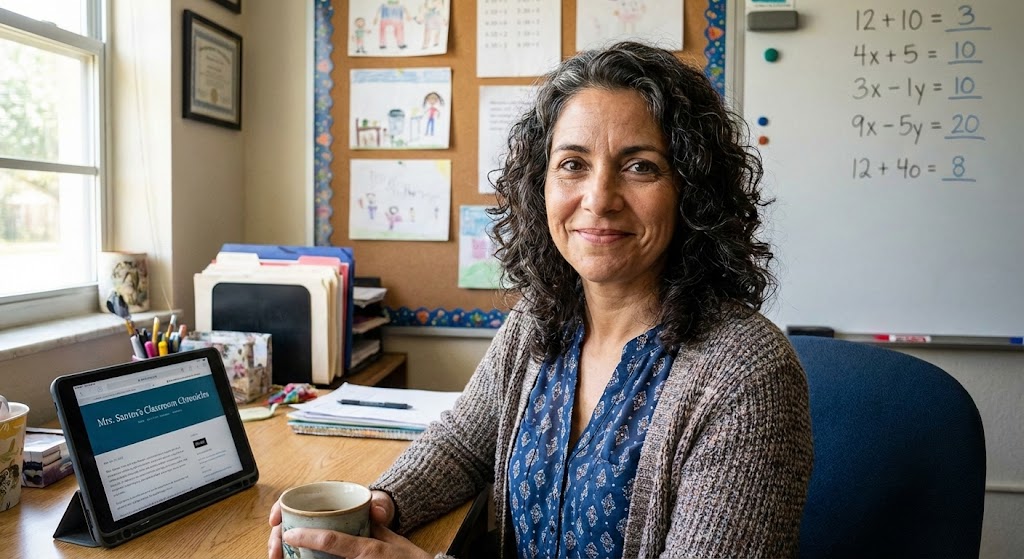
Maria Santos
Maria has been teaching 4th grade in Tampa, Florida for 22 years. Known as "the math whisperer" among her colleagues, she writes about the real challenges and victories of teaching in Florida's public schools.
When she's not grading papers or creating lesson plans, you can find Maria at her local teacher supply store (with coupons in hand) or sharing teaching tips over cafecito with her teacher friends.
View Full Profile →Related Articles
How I Actually Recover After Testing Season (And Help My Kids Do the Same)
FAST test prep tip: Last April, about three days after our final round of FAST testing wrapped up, I...
How I Help My Students (and Myself) Bounce Back After FAST Testing
FAST test prep tip: Last week, I watched little Sofia slump into her seat after our final FAST sessi...
Ready to Improve Your FAST Scores?
Upload your class data and get personalized IXL success plans in seconds.
Try It Free