Finding Your Teacher Tribe: Why We Need Friends Who Actually Get It
Last Tuesday, I was venting to my neighbor about how frustrated I was with my new student Miguel, who keeps disrupting math lessons by making airplane noises. She looked at me with genuine confusion and said, "Can't you just tell him to stop?"
Ay, dios mio. If only it were that simple.
That's when it hit me again. Most people in our lives, bless their hearts, have absolutely no idea what we actually do all day. They think teaching is about standing in front of kids and talking about fractions. They don't understand the emotional labor, the constant decision-making, or why we're mentally exhausted after a day of "just" teaching 9-year-olds.
This is exactly why we need our teacher tribe.
The Loneliness of Being Misunderstood
I've been teaching for 22 years, and I still remember the isolation I felt during my first few years. I'd come home drained from managing 28 fourth graders (yes, 28, because Florida class sizes were even worse back then), and my family would ask why I seemed so tired.
"You get summers off," they'd remind me helpfully.
Carlos, my sweet husband, would suggest I "just don't take work so seriously." He meant well, but he didn't understand that when Sophia comes to school hungry and angry, I can't just teach her long division and call it a day. When David's parents are going through a messy divorce and he's acting out, I can't just send him to the office and move on.
The people who love us often can't grasp the weight we carry for our students.
Why Teacher Friends Hit Different
There's something magical about talking to another teacher. They don't need explanations. When I tell my colleague Ana that I spent my prep period in the bathroom crying because I felt like I was failing my struggling readers, she doesn't offer solutions or tell me to relax.
She just nods and says, "Third quarter is rough, mija. I've been there."
Teacher friends understand that we don't just teach subjects. We're social workers, counselors, nurses, cheerleaders, and sometimes the only stable adult in a child's day. They get why we spend our own money on supplies and why we lose sleep over kids who aren't even ours.
When I tell my teacher friends about Miguel and his airplane noises, they immediately start brainstorming. "Have you tried giving him a fidget toy?" "Maybe he needs a movement break?" "Could he be your special helper during transitions?"
They don't question why I care so much. They just help me figure out how to care better.
Where to Find Your People
Building a teacher tribe isn't always easy, especially if you're new to a school or feeling disconnected from your current colleagues. Here's what's worked for me over the years:
Start Small at Your School
Not every teacher at your school will become a close friend, and that's okay. But there's usually at least one person who shares your values and teaching philosophy.
Look for the teacher who stays late to help struggling students. Notice who decorates their classroom with the same care you do. Pay attention to who speaks up for kids in meetings.
I found Ana because we both kept showing up early to make copies and started chatting by the machine. Twenty years later, she's still the first person I text when I need to vent or celebrate.
Join Professional Learning Communities
I know, I know. More meetings. But hear me out.
Some of my closest teacher friends came from district workshops and professional development sessions. When you're sitting through another training on differentiated instruction, the person rolling their eyes next to you might just become your new best friend.
Local education organizations, reading councils, and subject-specific groups are goldmines for finding like-minded educators.
Get Online (But Be Selective)
Social media can be overwhelming for teachers, but it can also connect you with incredible educators. I've found amazing teacher friends through Facebook groups focused on fourth grade or Title I schools.
The key is finding groups where teachers share real struggles, not just Pinterest-perfect classroom photos. Look for spaces where people ask genuine questions and offer practical help.
Nurturing These Friendships
Teacher friendships require intentional care, just like our classroom relationships. We're all busy and exhausted, so these connections won't maintain themselves.
Make Time for Real Conversations
Skip the small talk about lesson plans sometimes. Ask your teacher friends how they're really doing. Share your actual struggles, not just your highlight reel.
Some of my deepest teacher friendships were built during honest conversations about feeling inadequate or questioning whether we're making a difference.
Celebrate the Wins Together
When Maria finally masters her multiplication facts or when your whole class passes that benchmark assessment, your teacher friends are the ones who truly understand why you're doing a happy dance.
Share those victories. We need to celebrate each other in a profession that doesn't always celebrate us.
Be the Friend You Need
If you want friends who get it, be someone who gets it. Listen without trying to fix everything. Offer practical support. Remember that sometimes we just need someone to witness our frustration and say, "That sounds really hard."
The Difference It Makes
Having teacher friends who truly understand has saved my sanity more times than I can count. They've talked me off ledges during difficult years, celebrated my classroom victories, and reminded me why I chose this profession when I was ready to quit.
When the state changes standards again (looking at you, B.E.S.T.), when parents question our methods, when administrators pile on more responsibilities, our teacher tribe reminds us that we're not alone.
They get why we do this impossible, beautiful, exhausting job. And sometimes, that understanding is exactly what we need to keep going.
Your Turn
If you're reading this and feeling isolated, know that your tribe is out there. It might take time to find them, but teachers who share your heart for kids and your commitment to doing right by them exist in every school and every district.
Start with one genuine conversation. Offer help to a colleague. Be vulnerable about your struggles. Your people are looking for you too.
We're all in this together, and none of us has to figure it out alone.
Who in your teacher tribe gets you? And if you don't have one yet, what's one small step you can take this week to start building those connections?
Trust me, this job is hard enough. We don't have to do it alone.
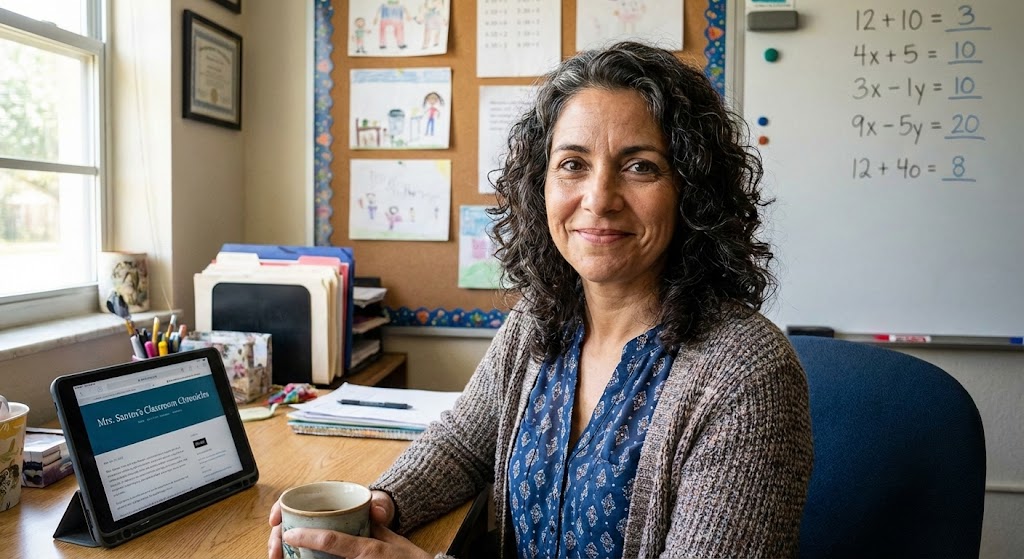
Maria Santos
Maria has been teaching 4th grade in Tampa, Florida for 22 years. Known as "the math whisperer" among her colleagues, she writes about the real challenges and victories of teaching in Florida's public schools.
When she's not grading papers or creating lesson plans, you can find Maria at her local teacher supply store (with coupons in hand) or sharing teaching tips over cafecito with her teacher friends.
View Full Profile →Related Articles
How I Finally Stopped Taking Work Home Every Night (And You Can Too)
Teacher advice: Last Tuesday, Carlos looked at me across the dinner table and said, "Mija, is that a...
The End-of-Year Honest Look in the Mirror Every Teacher Needs to Take
Teacher advice: Last June, I was cleaning out my desk and found a sticky note I had written to mysel...
Ready to Improve Your FAST Scores?
Upload your class data and get personalized IXL success plans in seconds.
Try It Free