How I Communicate Bad News Without Making Enemies
Last Tuesday, I had to tell Mrs. Rodriguez that her daughter Sofia was two grade levels behind in reading. The look on her face? Pure panic mixed with a little anger directed straight at me.
I get it. Nobody wants to hear that their kid is struggling. And as teachers, we're often the messengers carrying news that parents definitely don't want to receive.
But here's what I've learned after 22 years of these conversations: how we deliver difficult news can make the difference between gaining an ally or creating an enemy. And trust me, I learned this the hard way.
My Epic Fail (And What It Taught Me)
Picture this: rookie teacher Maria, year two, calling Mrs. Thompson to inform her that little Jake was "significantly below grade level" and "showing concerning behavioral patterns." I rattled off test scores like I was reading a grocery list.
The result? Mrs. Thompson requested Jake be moved to another class within a week.
Ay, Dios mío. I cringe thinking about it now.
That phone call taught me everything about what NOT to do. So let me share what I wish someone had told me back then.
Start With Something True and Positive
I never, ever start difficult conversations with the problem. Never.
When I called Sofia's mom, I began with: "Mrs. Rodriguez, I wanted to talk with you because Sofia brings such joy to our classroom. She's the first one to help when someone drops their pencils, and her creativity in art projects just amazes me."
This isn't manipulation. It's truth. Every child has strengths, and parents need to hear them first. It reminds everyone (including us) that we're talking about a whole human being, not just a set of test scores.
Plus, it puts parents in a completely different mindset. Instead of going into defensive mode, they're listening.
Use "We" Language (Because It's True)
Here's a phrase that changed everything for me: "We have a challenge we need to work on together."
Notice I didn't say "Sofia has a problem" or "Your daughter is behind." I said WE have a challenge. Because that's exactly what it is.
When I told Mrs. Rodriguez about Sofia's reading struggles, I said: "We need to figure out the best way to help Sofia catch up in reading. I have some ideas, but I'd love to hear your thoughts too."
Suddenly, we're teammates instead of opponents.
Be Specific But Skip the Jargon
Nobody outside of education cares that little Marcus is "performing below the 25th percentile on district assessments." That's teacher speak, and it creates distance.
Instead, I say things like: "Marcus can read simple sentences, but when the story gets longer or has bigger words, he gets frustrated and gives up. Have you noticed this at home?"
Specific examples help parents understand exactly what we're seeing. And asking about their observations shows we value their input.
Timing Matters More Than You Think
I used to deliver bad news whenever it was convenient for ME. Big mistake.
Now I'm strategic about timing:
Never on Fridays. Parents will stew all weekend with no way to follow up.
Never right before holidays. Nothing ruins Thanksgiving dinner like worrying about your kid's math scores.
Always when there's time for questions. I learned this one when Carlos pointed out that I hate getting rushed phone calls from the doctor. Same principle applies.
I usually call on Tuesday or Wednesday afternoons, and I always ask: "Is this a good time to talk for about ten minutes?"
Bring Solutions, Not Just Problems
This one took me years to figure out, pero it's crucial. Parents don't just want to know what's wrong. They want to know what we're going to do about it.
For Sofia's reading, I came prepared: "Here's my plan. I'm going to work with Sofia in a small group three times a week focusing on phonics skills she missed. At home, could we try reading together for just ten minutes each night? I can send home some books that are perfect for her level."
Notice I gave Mrs. Rodriguez a specific, doable action. Ten minutes, not an hour. Books I'll provide, not ones she has to hunt down.
The Magic of the Follow-Up
Here's something most teachers skip: the follow-up conversation.
Two weeks after my call with Mrs. Rodriguez, I sent a quick email: "Sofia is already showing improvement in our small group! She read three whole pages yesterday without getting frustrated. How is the home reading going?"
That follow-up email did two things. It showed Mrs. Rodriguez that I was keeping my promises, and it gave her a chance to share good news too.
When Parents Get Defensive (Because They Will)
Sometimes parents push back. Hard. I've been told I don't understand their child, that I'm not doing my job, that they want their kid moved to another class.
Deep breath. This isn't really about me.
When Mrs. Johnson got upset about her son's behavior report, she snapped: "He's never had problems before. Maybe you just don't know how to handle him."
Old Maria would have gotten defensive. Current Maria said: "You know what? You're absolutely right that he's capable of so much more. That's exactly why I called. Let's figure out what's different this year and how we can help him succeed."
I validated her feelings (he IS capable of more) and redirected to problem-solving.
The Phone Call vs. Email Debate
For anything serious, I always call first. Email feels cold for difficult news, and it's too easy for tone to get lost.
But I do follow up important calls with a brief email summarizing what we discussed and next steps. This way, parents have something to reference later, and we're both clear on the plan.
What About In-Person Conferences?
Sometimes the news is big enough that it needs a face-to-face conversation. Learning differences, significant academic concerns, behavior issues that might need outside support.
For these meetings, I arrange the room carefully. No desk between us. Tissues nearby (trust me on this one). Student work samples ready to show, not just tell.
And I always, always end these meetings with: "What questions do you have?" Not "Do you have questions?" The first version assumes they have questions (which they do) and gives permission to ask them.
The Long Game
Here's the truth: some of these conversations will be hard no matter how skillfully we handle them. But the goal isn't to make the news less difficult. The goal is to preserve the relationship so we can work together for the child.
Mrs. Rodriguez and I are now partners in Sofia's reading journey. She emails me updates from home, and I share celebrations from school. Sofia is making progress because her mom and I are on the same team.
That's what good communication gets us. Not parents who love hearing difficult news (nobody loves that), but parents who trust us enough to work with us when their child needs extra support.
And in the end, that's what matters most.
Remember, we're all in this together. These conversations get easier with practice, and every child deserves adults who can talk honestly and work collaboratively on their behalf.
What's your biggest challenge with difficult parent conversations? I'd love to hear about it in the comments.
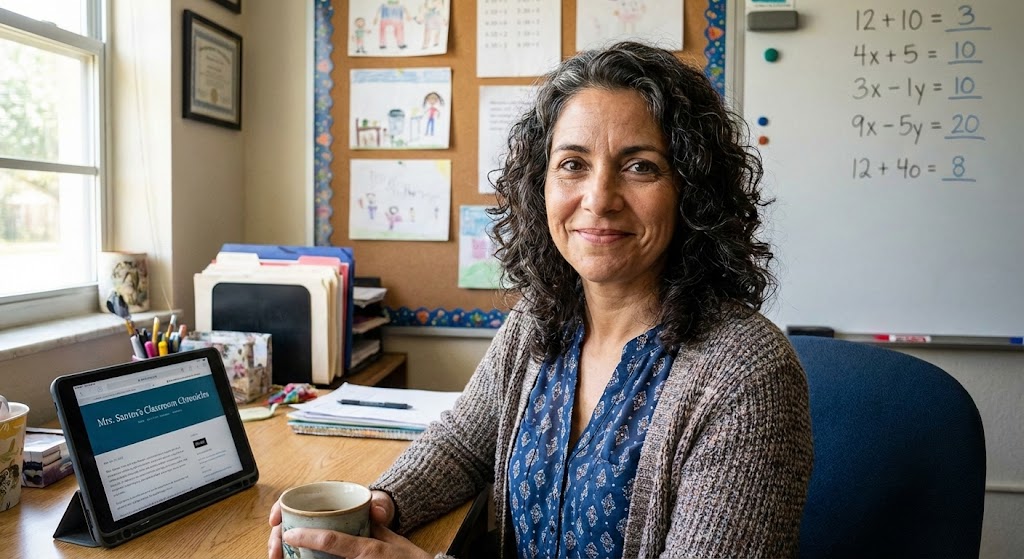
Maria Santos
Maria has been teaching 4th grade in Tampa, Florida for 22 years. Known as "the math whisperer" among her colleagues, she writes about the real challenges and victories of teaching in Florida's public schools.
When she's not grading papers or creating lesson plans, you can find Maria at her local teacher supply store (with coupons in hand) or sharing teaching tips over cafecito with her teacher friends.
View Full Profile →Related Articles
When Parents Say "My Child Would Never" (And What We Do Next)
Parent communication tip: Last Tuesday, I called Mrs. Rodriguez to discuss her son Miguel's behavior...
How to Talk to Parents About Test Scores Without Making Everyone Cry
Parent communication tip: Last week, I watched a parent's face crumple as I explained her daughter's...
Ready to Improve Your FAST Scores?
Upload your class data and get personalized IXL success plans in seconds.
Try It Free