How I Help My Students (and Myself) Bounce Back After FAST Testing
Last week, I watched little Sofia slump into her seat after our final FAST session and whisper, "Ms. Santos, my brain feels like mashed plantains."
Ay, mija, I thought. Mine too.
If you're anything like me, the weeks after testing feel like we're all walking around in a fog. Our kids are drained, we're exhausted, and somehow we still have two months of meaningful instruction ahead of us. After 22 years of this cycle, I've learned that jumping straight back into rigorous academics is like asking someone to run a 5K right after they've finished a marathon.
We need a recovery plan, and I don't just mean for our students.
The Post-Testing Reality Check
Let's be honest about what just happened. Our kids spent weeks in testing mode, their little nervous systems flooded with stress hormones. We spent those same weeks monitoring, encouraging, and probably stress-eating our way through the teacher workroom snack stash (guilty as charged).
Everyone needs time to decompress, but we can't afford to waste instructional time. The solution? Strategic recovery that rebuilds confidence while keeping learning alive.
Week One: Gentle Re-entry
The first week back, I focus on what I call "soft skills with substance." We're learning, pero we're doing it in ways that feel nothing like a test.
I start with collaborative projects that let kids talk and move. Last year, we designed dream playgrounds using geometry concepts. This year, we're planning the "Perfect Florida Field Trip" while practicing research skills and persuasive writing.
The key is choosing activities where there's no single right answer. After weeks of bubbling in THE correct response, our kids need to remember that learning can be creative and personal.
I also bring back morning meetings if I've let them slide during testing season. We share weekend stories, play word games, and I read aloud chapter books again. These rituals remind us all why we love being together in this classroom.
Rebuilding Mathematical Confidence
Here's where I get on my soapbox about math recovery. Too many of our kids leave testing convinced they're "bad at math" because they struggled with time pressure or tricky word problems.
I spend serious time in those first weeks doing what I call "math victories." We tackle problems I know they can solve, but I present them in engaging ways. Math scavenger hunts around the school. Cooking projects where we double recipes (hello, fractions). Building challenges that sneak in measurement and geometry.
My student Marcus (not my son, different Marcus) told me last year, "I forgot math could be fun." That's exactly what we're going for.
I also make sure to explicitly address testing anxiety. We talk about how feeling nervous during a test doesn't mean you don't know the material. I share stories about times I've blanked during important moments (like when I forgot my own phone number during a parent conference because I was so flustered).
Reading Recovery That Actually Works
For reading, I throw out everything that feels like test prep and focus on pure joy. Book talks, author studies, poetry cafes, reader's theater. Anything that reminds kids why stories matter.
I let them choose their own books again, even if it means someone picks a graphic novel that's "below their level." Right now, we're rebuilding their identity as readers, not pushing Lexile scores.
One thing that works magic? Reading to them. I mean really reading, with voices and drama and stopping to say, "Can you believe what just happened?" When I see their faces light up during a good story, I know we're on the right track.
Taking Care of the Teacher
Now let's talk about your recovery, because you can't pour from an empty cup.
First, give yourself permission to scale back for a few weeks. That elaborate bulletin board can wait. Those perfectly aligned lesson plans? Good enough is actually good enough right now.
I learned this lesson the hard way my third year of teaching. I pushed myself so hard after testing that I got sick and had to take three days off in May. Carlos still reminds me of that whenever I start spiraling about end-of-year tasks.
Make a list of what absolutely must happen before summer and what would just be nice. Be ruthless about moving things to the "nice" category.
Reconnecting With Your Why
Testing season has a way of making us forget why we became teachers. We get so focused on data and scores that we lose sight of the magic happening in our classrooms every day.
I keep a "joy jar" on my desk where I write down moments that remind me why I love this job. "Carmen finally understood long division and did a little victory dance." "The whole class cracked up at my terrible joke about fractions." "Miguel stayed after school to finish reading his book because he couldn't wait to see how it ended."
During recovery weeks, I make sure to add to that jar every single day.
Planning for the Final Stretch
As we move into the last months of school, remember that your relationship with your students matters more than covering every single standard. Kids will forget the specific lessons, but they'll remember how you made them feel.
Focus on the big concepts, the skills they'll need next year, and the confidence that will carry them through future challenges. Create experiences they'll remember, not worksheets they'll forget.
You've Got This
Here's what I want you to remember: you just guided your students through one of the most stressful experiences of their academic year. You showed up every day, even when you were tired. You encouraged kids who wanted to give up. You managed technology glitches and testing anxiety and probably a few meltdowns (theirs and maybe yours).
That makes you pretty amazing in my book.
Take time to recover. Be gentle with yourself and your students. Trust that the learning will happen, maybe in different ways than you planned, but it will happen.
We're in the home stretch now, teachers. Let's finish strong, but let's also finish with joy.
What's your go-to strategy for post-testing recovery? I'd love to hear how you help your classroom family bounce back. Share in the comments, because we're all in this together.
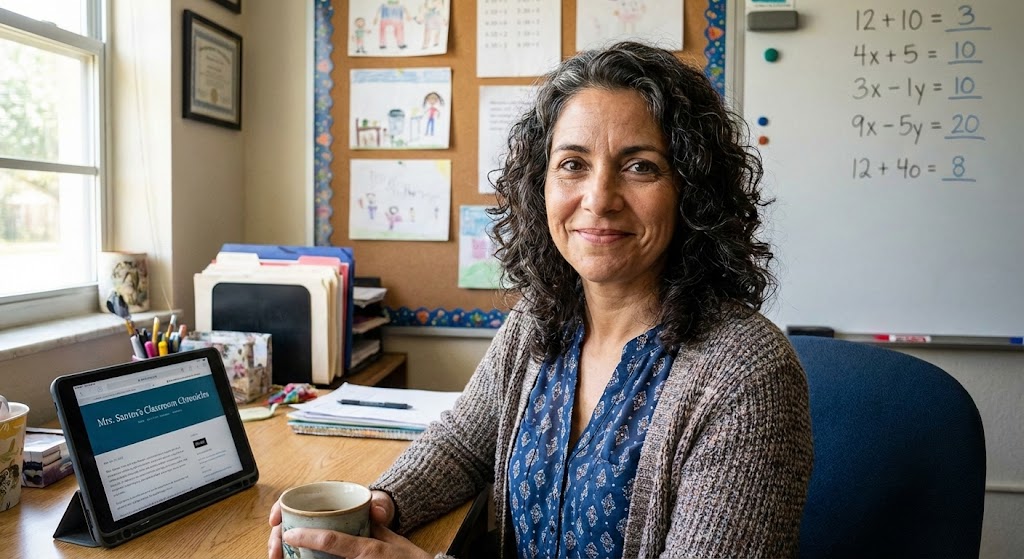
Maria Santos
Maria has been teaching 4th grade in Tampa, Florida for 22 years. Known as "the math whisperer" among her colleagues, she writes about the real challenges and victories of teaching in Florida's public schools.
When she's not grading papers or creating lesson plans, you can find Maria at her local teacher supply store (with coupons in hand) or sharing teaching tips over cafecito with her teacher friends.
View Full Profile →Related Articles
When Your Stress is Showing (And Your Kids Are Feeling It Too)
FAST test prep tip: Last Tuesday, little Sofia looked up at me during our morning routine and said, ...
When You're Barely Holding It Together But Your Kids Need You to Be Their Rock
FAST test prep tip: Last Tuesday, I walked into my classroom with my coffee mug still sitting on my ...
Ready to Improve Your FAST Scores?
Upload your class data and get personalized IXL success plans in seconds.
Try It Free