How I Learned to Deliver Bad News Without Making Enemies (And Keep My Sanity)
Last Tuesday, I had to tell Mrs. Rodriguez that her daughter Sofia was reading two grade levels behind. Again. This was our third conference this year, and I could see her shoulders tense up before I even opened my mouth.
Five years ago, I would have fumbled through this conversation, probably made her cry, and definitely made myself the villain. But after 22 years of these heart-wrenching talks, I've finally figured out how to deliver bad news without destroying relationships or sending parents into panic mode.
Let me share what I wish someone had taught me when I was a rookie teacher, porque nobody prepared me for how hard these conversations would be.
Start With Something True and Positive
I used to think I had to dive straight into the problem. Big mistake. Parents need to know you see their child as more than a test score or a behavior issue.
With Sofia's mom, I started with, "Sofia has such a kind heart. Yesterday she helped Marcus tie his shoes without being asked, and she always includes the new students at lunch."
This isn't fake positivity. It's showing the parent that you know their whole child. Every kid has something wonderful about them, and parents need to hear that you see it too.
The key is making sure it's genuine. Don't say "She's so sweet" if you don't mean it. Find something real, something specific.
Use "We" Language From the Start
Instead of "Your daughter is struggling," try "We need to work together to help Sofia catch up."
This tiny word change transforms you from the bearer of bad news into a teammate. Parents already feel defensive when they walk into these meetings. Using "we" language shows them you're on the same side.
I learned this the hard way after a particularly brutal parent conference in my third year. The dad left so angry he went straight to the principal. I was technically right about everything I said, but I had made him feel like his son's struggles were his fault.
Be Specific, Not Dramatic
"She's really behind" tells a parent nothing useful and everything scary. Instead, try "Sofia is reading at a second-grade level, which means she needs extra support with phonics and sight words."
Specific information gives parents something concrete to understand and work with. Vague statements just create anxiety.
When I talk about behavior issues, I do the same thing. Instead of "He's disruptive," I say "Yesterday Tommy called out answers six times during math without raising his hand." Parents can picture that. They can work with that.
Acknowledge Their Feelings
When Mrs. Rodriguez started tearing up about Sofia's reading, I didn't rush to fix it or change the subject. I said, "I can see this is really hard to hear. You're a good mom who wants the best for Sofia."
Parents often feel like their child's struggles reflect their parenting. They need to know that you don't see it that way.
Sometimes parents get angry instead of sad. That's okay too. "I understand you're frustrated. This isn't the news you were hoping for" works just as well.
Always Come With a Plan
Never, and I mean never, drop bad news without offering next steps. Parents need hope and direction, not just problems.
For Sofia, I had already researched three specific strategies: a phonics app she could use at home, a list of high-interest books at her actual reading level, and information about our after-school tutoring program.
I also gave Mrs. Rodriguez my email and told her to check in with me every Friday. Parents need to know they're not handling this alone.
Time It Right (When Possible)
Don't blindside parents with major concerns during pickup or in a hallway conversation. They deserve your full attention and privacy to process difficult information.
I try to schedule these conversations when I have at least 30 minutes and won't be interrupted. If something urgent comes up, I start with "I have some concerns about Marcus that we need to discuss properly. Can we set up a meeting this week?"
Know Your Resources
Before any difficult conversation, I make sure I know what support is available. Can we refer for testing? Is there a reading specialist? What about counseling services?
Parents often ask "What happens next?" and you need real answers. "We'll figure it out" isn't good enough when a parent is worried about their child's future.
Follow Up Consistently
The conversation doesn't end when the meeting does. I send a follow-up email within 24 hours summarizing what we discussed and our next steps. Then I actually follow through.
If I promised to check in weekly, I check in weekly. If I said I'd try a new strategy, I report back on how it's going. Trust is built through consistency, not just good intentions.
Take Care of Yourself Too
These conversations are emotionally draining. After particularly difficult meetings, I give myself permission to feel tired or sad. I might take a few minutes in my car before driving home, or call my sister to decompress.
Carlos doesn't always understand why I'm so affected by these talks, but he's learned to let me process. We can't pour from an empty cup, and difficult conversations definitely drain the cup.
When Things Go Wrong
Sometimes, despite your best efforts, parents get angry or defensive. I've had parents yell, cry, and storm out. It happens.
When it does, I stay calm and professional. I document the conversation and loop in my administration if needed. But I don't take it personally. Their reaction is about their fear for their child, not about me.
I also remember that some parents have had terrible experiences with schools in the past. Their defensiveness might have nothing to do with me and everything to do with how they were treated before.
The Long View
Twenty-two years in, I've learned that these difficult conversations often lead to the strongest parent partnerships. Mrs. Rodriguez and I had a rocky start, but now she emails me regularly and trusts my suggestions completely.
When parents see that you care about their child and you're willing to have hard conversations with kindness and respect, they become your biggest allies.
Yes, delivering bad news is never fun. But it's part of our job, and we can do it in a way that builds relationships instead of destroying them.
Your turn: What's helped you navigate difficult parent conversations? We're all learning from each other, and I'd love to hear your strategies in the comments below.
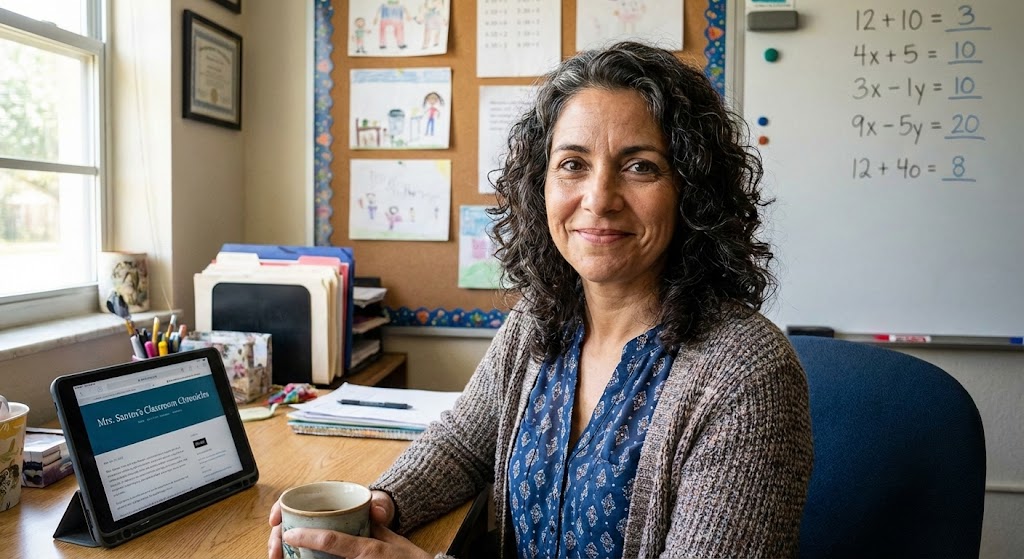
Maria Santos
Maria has been teaching 4th grade in Tampa, Florida for 22 years. Known as "the math whisperer" among her colleagues, she writes about the real challenges and victories of teaching in Florida's public schools.
When she's not grading papers or creating lesson plans, you can find Maria at her local teacher supply store (with coupons in hand) or sharing teaching tips over cafecito with her teacher friends.
View Full Profile →Related Articles
When Parents Say "My Child Would Never" (And What We Do Next)
Parent communication tip: Last Tuesday, I called Mrs. Rodriguez to discuss her son Miguel's behavior...
How to Talk to Parents About Test Scores Without Making Everyone Cry
Parent communication tip: Last week, I watched a parent's face crumple as I explained her daughter's...
Ready to Improve Your FAST Scores?
Upload your class data and get personalized IXL success plans in seconds.
Try It Free