Mid-Year Data Doesn't Have to Make You Want to Hide Under Your Desk
Last Tuesday, I was sitting in my classroom at 6 PM, staring at a spreadsheet that looked like it had been attacked by a calculator. FAST scores, benchmark assessments, daily exit tickets. The numbers were swimming together like alphabet soup, and I was pretty sure I was about to cry into my lukewarm cafeteria coffee.
Sound familiar?
We're halfway through the year, and the data is piling up faster than laundry at my house (and trust me, with Marcus playing football, that's saying something). But here's what I've learned after 22 years of teaching: data doesn't have to be the monster under our professional bed. It can actually be our best friend.
Stop Drowning in the Numbers
My first year teaching, I thought good data analysis meant color-coding everything until my spreadsheets looked like a rainbow exploded. Spoiler alert: pretty charts don't teach kids math.
The truth is, we don't need to analyze every single data point. We need to find the story the numbers are telling us about each student.
Here's my reality check process: I pick three key pieces of data max. Usually it's FAST scores, our most recent benchmark, and one thing I've noticed in daily work. That's it. Three things. Any more and I start making decisions based on spreadsheet fatigue instead of student needs.
Find Your "Aha" Moments in the Mess
Last month, I was looking at Sophia's data and getting frustrated. Her FAST scores showed she was struggling with fractions, but she was nailing her daily fraction work. What gives?
Then I dug deeper. Turns out, she could handle fractions when they were presented visually but fell apart with word problems. The data wasn't contradicting itself. It was showing me exactly what she needed.
That's the magic we're looking for. Not just "Jamie is below grade level" but "Jamie rocks at computation but gets lost when problems have multiple steps."
Turn Data into Tomorrow's Lesson Plans
Here's where the rubber meets the road, mijas. Data without action is just fancy record-keeping.
I keep a simple chart on my desk with three columns: What I See, Why It Might Be Happening, and What I'll Try Next. When I look at a student's data, I fill out one row. That's it.
For example: - What I See: Carlos struggles with multi-digit multiplication - Why It Might Be Happening: Shaky foundation with basic facts - What I'll Try Next: Five minutes of fact practice before each multiplication lesson
No fancy interventions. No complicated programs. Just one targeted thing I can do differently tomorrow.
Make Students Partners, Not Subjects
This one took me years to figure out, but it's been a game-changer. I started showing my students their own data in kid-friendly ways.
I tell them, "Look, your math brain is really good at adding, but it's still learning how to tackle word problems. Let's work on that together."
Suddenly, they're not failures. They're learners with specific goals. And honestly? They often have insights about their own learning that our fancy assessments miss.
The Reality Check We All Need
Let's be real for a minute. Sometimes the data tells us things we don't want to hear. Like when half your class is still struggling with concepts you thought you'd mastered together.
Two weeks ago, my benchmark data showed that my fraction unit was a disaster. My first instinct was to panic and blame myself. My second instinct was to blame the assessment. But my third instinct, the teacher instinct that comes from experience, said "Okay, what do we do now?"
We backed up. We used manipulatives again. We slowed down. And you know what? The sky didn't fall. We're still going to be okay come FAST testing time.
Small Changes, Big Impact
The beauty of mid-year data is that we still have time to make adjustments. We don't need to overhaul everything. We need to make smart tweaks.
Maybe it's spending five extra minutes on number talks. Maybe it's pairing students differently for math centers. Maybe it's finally admitting that the way you've always taught long division isn't working for this group.
I changed one small thing last month based on my data: I started having students explain their thinking out loud before they wrote anything down. That's it. Just talk first, write second.
The difference in their problem-solving has been incredible. Sometimes the smallest adjustments create the biggest breakthroughs.
Don't Let Perfect Be the Enemy of Good
Here's what I wish someone had told me 22 years ago: you don't have to be a data analysis expert to use data well. You just have to be willing to look, think, and try something different.
Your data analysis doesn't have to look like the Pinterest-perfect examples in professional development sessions. It has to work for you and your students in your real classroom with your real constraints.
Moving Forward Without the Overwhelm
As we head into the second half of the year, remember this: data is just information. What we do with it is what matters.
Pick one student whose data puzzles you. Look at three pieces of information about them. Ask yourself what story those numbers might be telling. Then try one small thing differently tomorrow.
That's it. No fancy systems required. No staying until 7 PM required. Just thoughtful teaching based on what you're seeing.
We've got this, teachers. The numbers aren't our enemy. They're just trying to help us help our kids. And honestly? We're pretty good at helping kids. We just needed the data to remind us which direction to focus our superpowers.
Now go home at a reasonable hour. Carlos is making his famous black beans tonight, and I'm not missing dinner for a spreadsheet. The data will still be there tomorrow, but family dinner won't.
What's one small change you're going to make based on your mid-year data? I'd love to hear about it.
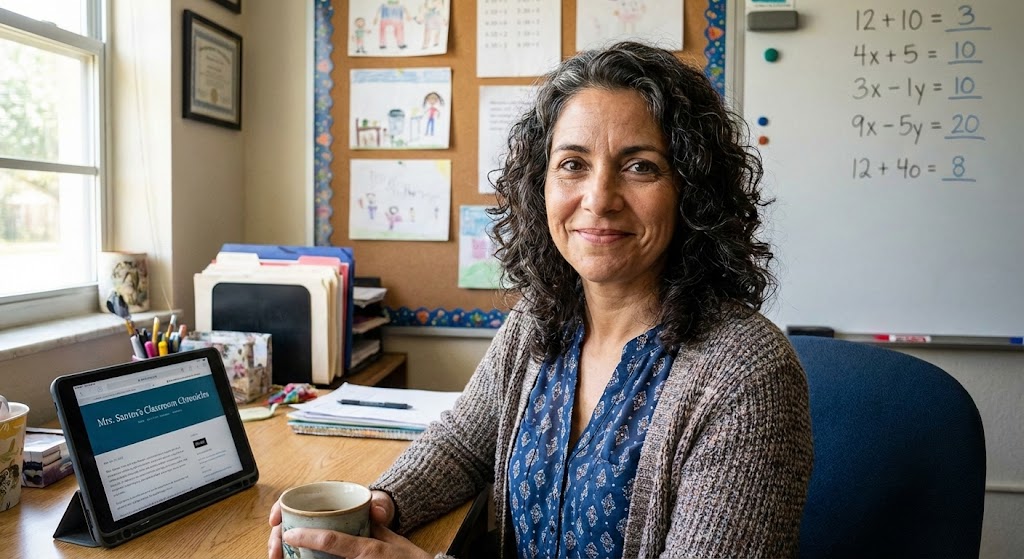
Maria Santos
Maria has been teaching 4th grade in Tampa, Florida for 22 years. Known as "the math whisperer" among her colleagues, she writes about the real challenges and victories of teaching in Florida's public schools.
When she's not grading papers or creating lesson plans, you can find Maria at her local teacher supply store (with coupons in hand) or sharing teaching tips over cafecito with her teacher friends.
View Full Profile →Related Articles
When Mid-Year Data Makes You Want to Hide Under Your Desk (But You Don't Have To)
Math teaching strategy: Last Tuesday, I got my mid-year FAST data back and my first thought was, "Ay...
Making Mid-Year Data Work for You (Instead of Against You)
Math teaching strategy: Last Tuesday, I walked into the copy room and found Jessica practically hype...
Ready to Improve Your FAST Scores?
Upload your class data and get personalized IXL success plans in seconds.
Try It Free