Surviving the Swamp: Teaching When Florida's Heat Tries to Melt Your Classroom
Last Tuesday, I walked into my classroom at 7:15 AM and immediately knew it was going to be one of those days. The air felt thick enough to swim through, and I could already hear the AC unit making that grinding noise that means "I'm trying my best, but I'm from 1987 and this is Florida in September."
By 9 AM, little Jayden had his head down on his desk, not because he was being defiant, but because the poor kid was literally wilting. Maria (yes, another Maria, we collect them down here) kept asking for water breaks every ten minutes. And honestly? I didn't blame her.
The Reality of Florida Classrooms
Here's what they don't tell you in teacher prep programs: sometimes your biggest challenge isn't differentiated instruction or classroom management. Sometimes it's keeping 28 fourth graders from melting into puddles while you're trying to teach the B.E.S.T. standards.
After 22 years in Florida classrooms, I've learned that fighting the heat is like fighting the tide. You can't win, but you can definitely learn to work with it instead of against it.
The first few years, I tried to pretend the temperature didn't matter. I'd plow through my lesson plans while kids fanned themselves with worksheets and I pretended the sweat dripping down my back was just enthusiasm for teaching multiplication. Ay, dios mio, what was I thinking?
Practical Strategies That Actually Work
Embrace the Slowdown
When the classroom thermometer hits 85 degrees (and yes, I keep one because maintenance always claims it's "perfectly comfortable"), I automatically shift into what I call "summer pace." This isn't giving up, it's being smart.
Complex tasks get broken into smaller chunks. That 30-minute math lesson? Let's make it three 10-minute sessions with movement breaks in between. The kids need to process anyway, and their brains work better when they're not focused on how sticky their shirts are.
Water Is Your Best Friend
I keep a mini fridge in my classroom (bought it myself, obviously) stocked with water bottles. Some administrators might fuss about kids drinking water during instruction, but I'd rather have a hydrated kid who needs a bathroom break than a dehydrated kid who can't think straight.
Pro tip: freeze some of the water bottles overnight. Kids can hold them to cool down, and they'll have cold water to drink as they melt. Win-win.
Strategic Seating Changes
Forget your carefully planned seating chart when the heat hits. Kids naturally know where the cooler spots are in your room. Let them migrate there during the worst parts of the day.
I have a "heat day" seating arrangement where everyone sits closer to the windows (if you're lucky enough to have working AC vents there) or away from that one spot where the sun turns your classroom into a greenhouse.
Movement That Makes Sense
Cool-Down Brain Breaks
Regular brain breaks become even more important when it's hot. But jumping jacks? No gracias. Instead, try:
- Slow stretches that get blood moving without raising body temperature
- Deep breathing exercises (bonus: they're calming too)
- "Melting" activities where kids pretend to be ice cream slowly melting to the floor
Hallway Learning
If your hallways are cooler than your classroom, use them. I've taught entire math lessons in the hallway outside my room when the AC was completely down. Yes, it looks unconventional, but learning is learning.
Just check with your administrators first. Most are reasonable when you explain that you're trying to create a learning environment where kids can actually learn.
Adjusting Your Teaching Style
Lower Your Voice
This one took me years to figure out. When it's hot, everyone's energy is lower, including yours. Fighting that by talking louder or trying to amp up the energy just makes everyone more tired.
Instead, speak more softly. Kids will actually listen more carefully, and the calmer atmosphere helps everyone cope with the heat better.
Flexible Timing
Some days, you just have to throw the schedule out the window. If the morning is cooler, tackle your most challenging content then. Save the review activities, read-alouds, or creative projects for when the afternoon sun is beating down.
I've learned to keep a "hot weather lesson plan" ready to go. It's full of activities that require less intense focus and can be done at a slower pace.
Building Community Around the Struggle
Make It a Shared Experience
Kids feel better when they know everyone's in the same boat. I'm honest with my students about the heat. "Wow, it's really warm in here today. Let's all do our best and take care of each other."
This isn't complaining, it's acknowledging reality. And when kids feel heard and understood, they're more likely to cooperate with the adjustments we need to make.
Celebrate Small Wins
On those brutal hot days, celebrate that everyone showed up and tried their best. That's enough sometimes. The fraction lesson that would normally take 45 minutes but took all morning because of heat breaks? Still a win if kids learned something.
Taking Care of Yourself Too
Here's something I wish someone had told me 22 years ago: you can't pour from an empty cup, especially when that cup is overheating.
Keep a frozen water bottle for yourself. Wear lighter colors and fabrics when you know it's going to be a scorcher. And please, for the love of all that's holy, don't try to be a martyr about it.
Carlos always laughs when I come home complaining about the heat. "You chose to live in Florida," he says. But we didn't choose to teach in buildings with AC systems older than some of our students.
The Silver Lining
You know what's beautiful about those impossibly hot teaching days? They bring out our creativity and flexibility in ways that perfect conditions never could.
Some of my most memorable lessons have happened on the hottest days, when we had to get creative about how and where we learned. Kids remember the day we did math on the hallway floor more than they remember any worksheet.
And there's something special about the community that forms when everyone's struggling together and supporting each other through it.
Moving Forward
The heat is going to happen. The AC is going to break down at the worst possible moment (usually right before FAST testing, am I right?). But we're Florida teachers. We're tougher than we think, and more adaptable than we give ourselves credit for.
Keep water handy, lower your expectations for productivity on the worst days, and remember that sometimes the best teaching happens when we're all just trying to survive together.
Stay cool, mis colegas. We've got this, even when the thermostat says we don't.
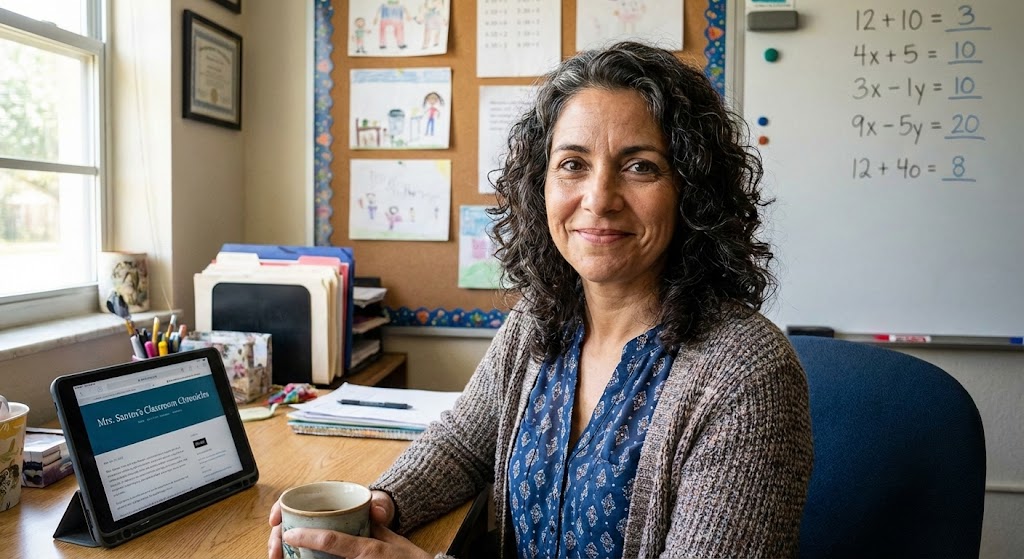
Maria Santos
Maria has been teaching 4th grade in Tampa, Florida for 22 years. Known as "the math whisperer" among her colleagues, she writes about the real challenges and victories of teaching in Florida's public schools.
When she's not grading papers or creating lesson plans, you can find Maria at her local teacher supply store (with coupons in hand) or sharing teaching tips over cafecito with her teacher friends.
View Full Profile →Related Articles
Hurricane Days Are Coming: What Every Florida Teacher Needs to Do Before and After the Storm
Florida teacher tip: I still think about Hurricane Irma. It was 2017, and I had just finished settin...
Dear First-Year Florida Teacher, Nobody Warned You About This
Florida teacher tip: I remember standing in my classroom in late August, sweating through my cardiga...
Ready to Improve Your FAST Scores?
Upload your class data and get personalized IXL success plans in seconds.
Try It Free