Surviving Your First Year Teaching in Florida: What I Wish Someone Had Told Me 22 Years Ago
Picture this: It's August 1999, and I'm standing in my first classroom in Miami with boxes everywhere, sweat dripping down my back because the AC is broken (again), and absolutely no clue what I'm doing. I had my shiny new teaching degree, pero let me tell you, nothing prepared me for the reality of teaching in Florida.
Twenty-two years later, I'm still here, still sweating in August, and still learning something new every day. But I've picked up a few things along the way that might help you survive your first year without losing your mind completely.
The Weather Will Test Your Patience (And Your Wardrobe)
Let's start with the obvious: Florida weather is loco. You'll learn to keep a cardigan at school because your classroom will either be Antarctica or the surface of the sun. There's no in-between.
Hurricane season isn't just a weather pattern, it's a teaching season. You'll become an expert at creating lesson plans that can pivot from in-person to virtual at a moment's notice. Keep digital copies of everything, mija. Trust me on this one.
And those afternoon thunderstorms? They're going to hit right when you're trying to teach your most challenging lesson. The kids will be glued to the windows watching the lightning instead of listening to you explain fractions. Roll with it. Make it a science lesson about weather patterns.
The Testing Schedule Will Make Your Head Spin
When I started teaching, we had FCAT. Then came FCAT 2.0. Then FSA. Now we have FAST and B.E.S.T. standards. If there's one thing I've learned, it's that the acronyms will change, but the pressure stays the same.
Here's what nobody tells you about testing season in Florida: it's not just a few weeks in spring anymore. It feels like we're testing year-round. FAST testing happens three times a year, and you'll spend way too much time preparing kids for tests instead of actually teaching them.
My advice? Do your best to prepare them, but don't let the test anxiety consume your classroom. Kids can smell fear, and if you're stressed about testing, they will be too.
Your Students Will Surprise You Every Single Day
I teach at a Title I school where many of my kids face challenges I couldn't imagine at their age. Some come to school hungry. Others are taking care of younger siblings. A few are learning English while trying to master fourth-grade math.
But here's what will amaze you: these kids are resilient in ways that will humble you. Last year, I had a student named Sofia who missed two weeks because her family's apartment flooded. She came back and worked twice as hard to catch up, never once complaining.
Don't make assumptions about what your students can or can't do based on their circumstances. I've learned that the kid who seems like he's not paying attention might actually be the one who understands the concept best. Give them all a chance to shine.
The Paperwork Is Real, But Don't Let It Drown You
Ay, dios mio, the paperwork. IEPs, 504 plans, data collection, lesson plans, parent communication logs. Some nights I come home and Carlos asks why I'm still working. "It's just paperwork," he says, like it's no big deal.
Here's my system for staying sane: tackle the most important stuff first. Student safety and learning come before everything else. That beautiful bulletin board can wait if you need to call a parent about their child's progress.
Set boundaries. I used to stay until 7 PM every night my first year, trying to make everything perfect. Now I know that good enough is often good enough, and my family needs me too.
Find Your Tribe
Teaching can be lonely, especially when you're new and everyone else seems to know what they're doing. Spoiler alert: we're all just figuring it out as we go.
Find the teachers who will answer your questions without making you feel stupid. In my first year, Mrs. Rodriguez next door saved my sanity more times than I can count. She shared supplies, covered my class when I had emergencies, and talked me off the ledge when I wanted to quit in October.
Be that teacher for someone else when you can. We're all in this together.
Embrace the Chaos
Your first year will not go according to plan. You'll have days when everything falls apart before lunch. I once had a fire drill during a math test, a kid throw up on my only copy of the afternoon lesson, and a parent conference that went completely sideways, all in the same day.
You'll cry in your car. You'll question if you made the right career choice. You'll wonder if you're actually helping these kids or just winging it.
But you'll also have moments that remind you why you became a teacher. Like when Marcus finally gets long division and his face lights up. Or when quiet little Emma writes you a note saying you're her favorite teacher. Or when a former student comes back to visit and tells you how much your class meant to them.
The Learning Never Stops
After 22 years, I'm still learning new things about teaching. The standards change, the technology evolves, and each group of students teaches me something different about myself and my craft.
Don't expect to have it all figured out by June. I'm not sure any of us ever do. But that's part of what makes this job interesting, right?
You've Got This
I know it feels overwhelming right now. The standards are demanding, the resources are limited, and everyone has an opinion about what teachers should be doing differently.
But here's what I know about teachers who choose to work in Florida: we're tough. We adapt. We find ways to make magic happen with limited resources and impossible timelines.
Your first year won't be perfect, but it will be yours. Embrace the messiness, celebrate the small wins, and remember that every master teacher was once a beginner who refused to give up.
Welcome to the Florida teaching family. We're glad you're here, and we're rooting for you every step of the way.
What's your biggest first-year fear or challenge? Drop a comment below and let's help each other out. We're stronger when we share our struggles and solutions.
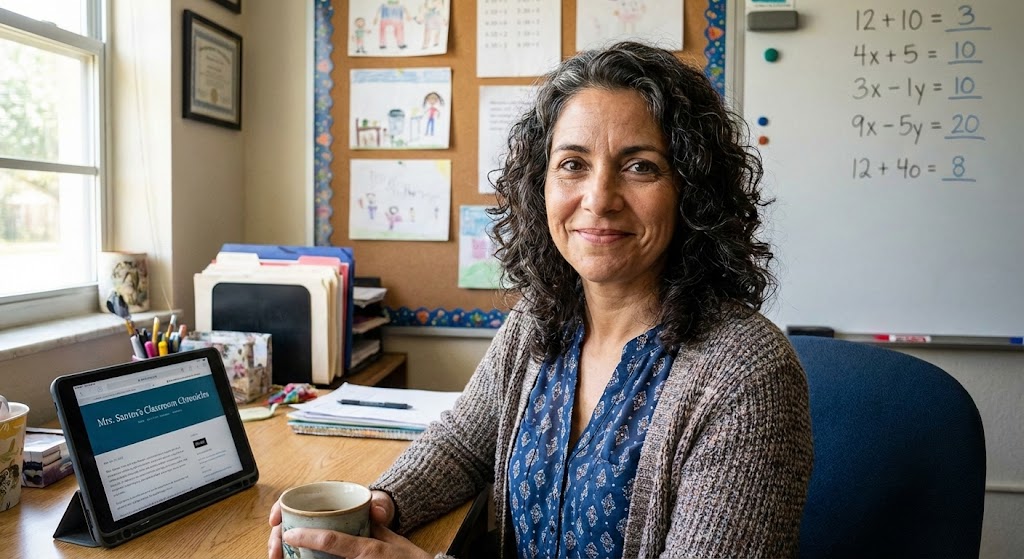
Maria Santos
Maria has been teaching 4th grade in Tampa, Florida for 22 years. Known as "the math whisperer" among her colleagues, she writes about the real challenges and victories of teaching in Florida's public schools.
When she's not grading papers or creating lesson plans, you can find Maria at her local teacher supply store (with coupons in hand) or sharing teaching tips over cafecito with her teacher friends.
View Full Profile →Related Articles
Hurricane Days Are Coming: What Every Florida Teacher Needs to Do Before and After the Storm
Florida teacher tip: I still think about Hurricane Irma. It was 2017, and I had just finished settin...
Dear First-Year Florida Teacher, Nobody Warned You About This
Florida teacher tip: I remember standing in my classroom in late August, sweating through my cardiga...
Ready to Improve Your FAST Scores?
Upload your class data and get personalized IXL success plans in seconds.
Try It Free