Teaching Kids Digital Citizenship the Hard Way
Last Tuesday, I walked into my classroom to find half my students in tears and the other half furiously whispering about something that happened on a group chat over the weekend. Ay, dios mío. Twenty-two years of teaching, and I thought I'd seen it all.
Turns out little Sofia had shared a photo from our class pizza party without asking, and now everyone was mad because they looked "ugly" while eating. Meanwhile, Jake had been sending mean messages about other kids' Fortnite skills, and somehow a private conversation between two friends had been screenshot and shared with the whole class.
Welcome to digital citizenship in 2024, mis colegas.
When Theory Meets Reality
I'll be honest with you. For years, I taught digital citizenship the way our curriculum told me to. We talked about "being kind online" and "thinking before you post." I had cute posters about digital footprints. The kids nodded along, took their quiz, and I checked that box.
But that Tuesday morning? That was my wake-up call. These babies aren't just learning about digital citizenship. They're LIVING it, making mistakes, and dealing with real consequences that affect their friendships, their self-esteem, and yes, their ability to focus in my classroom.
The Moment Everything Changed
After I got everyone calmed down (and handed out more tissues than I care to admit), I made a decision that probably broke about fifteen district policies. I closed my math book and said, "Okay, we need to talk about what happened this weekend. For real."
What came out in the next hour taught me more about kids and technology than any professional development session ever had.
These 9 and 10-year-olds were navigating group chats, social media, online gaming, and video calls with the same level of supervision we had when we played in the neighborhood after school. Except the neighborhood is now the entire internet, and there are no parents watching from the front porch.
What I Learned From My Students
They don't understand permanent. When Marcus said he "deleted" the mean message, he genuinely thought it was gone forever. He had no idea the other kid had already screenshot it.
They don't get the audience. Sofia thought she was sharing the photo with "just friends," but didn't realize her little cousin was in the group chat and showed it to his whole family.
They feel everything more intensely online. That comment about Jake's Fortnite skills? In person, it would have been a quick "whatever" and forgotten. In text form, Jake read it seventeen times and cried himself to sleep.
They want to do the right thing. Not one of these kids woke up planning to hurt someone. They just didn't have the tools to think through their choices.
Teaching Digital Citizenship That Actually Sticks
Forget the worksheets, amigos. Here's what's actually working in my classroom now:
Real Scenario Wednesdays
Every Wednesday, we spend fifteen minutes talking through a real digital situation. Sometimes it's something that happened to them (with permission and changed details). Sometimes it's scenarios I create based on what I'm seeing.
"Your friend posts a photo of you at the beach, but you think you look terrible. What do you do?"
"Someone in your gaming group keeps calling other players stupid. How do you handle it?"
"You accidentally sent a private message to the wrong group chat. Now what?"
We talk through the options, the consequences, and what the "right" choice might be. These conversations are gold, I'm telling you.
The 24-Hour Rule
This one came from my own mama's advice, adapted for the digital age. Before posting, commenting, or responding to anything that makes them feel angry, sad, or excited, they have to wait 24 hours.
In kid time, that's basically forever. But it works. I've had students come to me the next day saying, "Mrs. Santos, I'm so glad I didn't send that message yesterday."
Digital Empathy Practice
We practice reading tone in messages. I'll write the same sentence five different ways and ask them how each one feels:
"Great job on your project." "Great job on your project!" "Great job on your project..." "GREAT JOB ON YOUR PROJECT" "great job on your project"
You'd be amazed how differently kids interpret each version. We talk about how without facial expressions and voice tone, our words can be misunderstood so easily.
Making It Personal (Without Getting Too Personal)
I started sharing my own digital mistakes. Like the time I meant to text my friend about a difficult parent conference and accidentally sent it to... the parent. Or when I posted a photo of my messy classroom and spent the whole night worrying about what people would think.
These stories help them see that adults struggle with this stuff too. We're all figuring it out together.
The Parent Piece
Here's the hard truth, hermanas. We can teach digital citizenship all day long, but if parents aren't on board, we're fighting an uphill battle.
I started sending home a weekly "Digital Citizenship Tip" with our regular newsletter. Nothing preachy, just simple stuff like "This week, ask your child to show you their favorite app and explain how it works" or "Try the 24-hour rule as a family when posting photos."
Some parents ignore it. Others have told me it started important conversations at home. Every little bit helps.
When Things Go Wrong (Because They Will)
Despite our best efforts, kids are still going to make mistakes online. They're kids. That's literally their job.
When digital drama spills into my classroom now, I don't panic. We use it as a learning opportunity. We talk about repair, forgiveness, and moving forward. We practice the skills we've been learning.
Sometimes I have to involve parents or administration. But more often, we can work through it together as a class community.
The Real Talk
Teaching digital citizenship isn't about preventing kids from ever making online mistakes. It's about giving them the tools to make better choices, recognize when they've messed up, and know how to fix it.
It's about helping them understand that there are real people behind those screens, with real feelings that can be really hurt.
Most importantly, it's about creating a classroom culture where they feel safe coming to us when things go wrong online, instead of suffering in silence or making things worse.
Your Turn
I know you're probably thinking, "Maria, this sounds great, but when am I supposed to fit this into my already packed day?"
Start small. Replace one worksheet this week with a five-minute conversation about a digital scenario. Ask your kids what apps they're using and actually listen to their answers. Share one of your own social media mistakes (the appropriate ones, por favor).
Our kids are growing up in a digital world whether we're ready or not. We can either teach them to navigate it thoughtfully, or we can keep handing out worksheets while they figure it out the hard way.
I know which one I'm choosing. How about you?
What digital citizenship challenges are you seeing in your classroom? Hit me up in the comments. We're all learning together, and I could use your wisdom too.
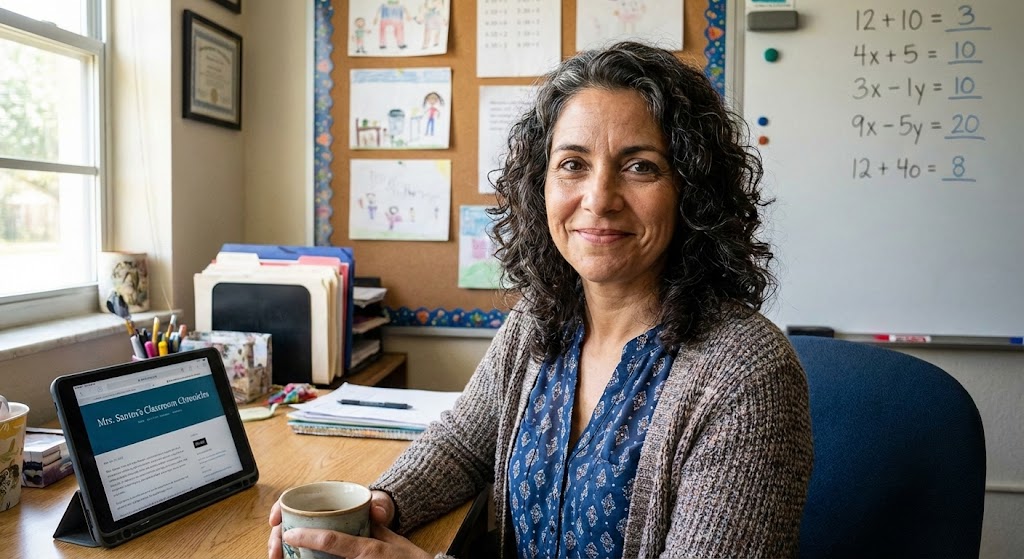
Maria Santos
Maria has been teaching 4th grade in Tampa, Florida for 22 years. Known as "the math whisperer" among her colleagues, she writes about the real challenges and victories of teaching in Florida's public schools.
When she's not grading papers or creating lesson plans, you can find Maria at her local teacher supply store (with coupons in hand) or sharing teaching tips over cafecito with her teacher friends.
View Full Profile →Related Articles
The Digital Mess on My Computer Was Embarrassing (Here's How I Finally Fixed It)
Classroom tech tip: Last spring, a new teacher at my school named Brittany asked if she could borrow...
The Only 5 Apps I Actually Use (And Why I Deleted the Other 47)
Classroom tech tip: Last week, I was cleaning out my phone and realized I had downloaded 52 educatio...
Ready to Improve Your FAST Scores?
Upload your class data and get personalized IXL success plans in seconds.
Try It Free