The Conference Prep That Actually Gets Parents to Show Up (And Stay Engaged)
Last Tuesday, I watched Mrs. Patterson's face crumble as she realized her daughter Sofia wasn't just "having a rough patch" in math. She was two grade levels behind, and somehow this was the first time anyone had made it crystal clear to her.
That moment reminded me why parent conferences matter so much, and why we absolutely cannot afford to wing them. These fifteen-minute windows might be our only shot all year to truly partner with families. But here's the thing, after 22 years of doing this dance, I've learned that most of us are prepping for conferences all wrong.
Stop Preparing Like It's a Performance Review
My first few years teaching, I treated conferences like I was defending a dissertation. I had color-coded folders, detailed spreadsheets, and enough data to choke a horse. Parents would sit there glazed over while I rattled off test scores and percentiles.
Guess what happened? Nothing. Absolutely nothing changed at home because I'd overwhelmed them with information instead of giving them a clear path forward.
The truth is, parents don't need to know everything. They need to know the right things, and they need to leave feeling empowered, not defeated.
The Three-Story Rule
Now I prepare using what I call the three-story rule. For every student, I have three stories ready:
The Celebration Story - Something specific their child did well recently. Not "she's sweet" but "Last Friday, when Marcus was struggling with long division, Isabella noticed and quietly slid her extra practice sheet over to help him. That's the kind of leadership I see in her every day."
The Growth Story - Where we've seen progress, even if it's small. "Remember how David used to shut down completely during writing time? Last week he wrote three whole sentences about his weekend fishing trip. We're building that stamina."
The Next Step Story - One specific thing we're working on together, with a clear role for parents. Not five things. One thing.
These stories do something data points never can. They show parents that I actually see their child, not just their test scores.
The Magic of the Pre-Conference Text
Three days before conferences, I send a quick text to each family. Nothing fancy:
"Hi Mrs. Rodriguez! Looking forward to chatting about Miguel on Thursday. He's been working so hard on his multiplication facts. Can't wait to share some exciting progress with you!"
This tiny step changes everything. Parents walk in curious instead of defensive. They're not spending the first five minutes wondering if this is going to be bad news.
And honestly? It helps me too. When I'm writing that positive preview, it forces me to find something good to highlight. Even for my most challenging kiddos.
Flip the Script on "Problem" Conferences
We all have those conferences we dread. The ones where behavior has been an issue, or academic struggles are significant. I used to approach these like I was delivering a medical diagnosis.
Now I flip the script entirely.
I start with partnership language: "I'm so glad you're here because I know how much you want Jayden to succeed, and I do too. I have some ideas about how we can help him, but I really need your insights first."
Then I ask questions: - What does homework time look like at home? - When does he feel most confident? - What worked for him last year? - What are you seeing that maybe I'm missing?
Parents know their kids better than we do. When we start from that place of respect, everything shifts.
The Home Connection That Actually Works
Here's where most of us lose parents. We send home generic tip sheets about "reading 20 minutes a day" or "practicing math facts." Blah, blah, blah.
Instead, I give every family one specific, doable action that connects directly to what we're working on in class.
For Sofia's mom, it wasn't "practice math at home." It was "When you're cooking together, have Sofia measure ingredients. She's working on fractions, and this will make it real for her."
For David's parents, it wasn't "encourage writing." It was "Ask him to text you his grocery list when you go shopping. He loves feeling helpful, and those short texts are building his confidence with words."
See the difference? It's specific, it's connected to their real life, and it doesn't feel like homework for the parents.
Documentation That Protects Everyone
Let's be real. Sometimes we need to cover ourselves legally, especially when we're discussing concerns about learning or behavior.
I keep a simple conference form where I jot down: - What we discussed - What steps we agreed on - Any follow-up needed - Parent questions or concerns
I email a copy to parents afterward with a note like: "Thanks for taking time to meet today! Here's a quick summary of our chat so we're all on the same page."
This isn't about being paranoid. It's about being professional and making sure everyone remembers the plan we made together.
When Parents Can't Come In
Not every family can make it to school for conferences. Single parents working two jobs, families without transportation, parents who are intimidated by school settings. We have to meet them where they are.
I offer phone conferences during my planning period. I've done video calls after dinner. I've even met a parent at Starbucks on a Saturday morning when that was the only time that worked for her schedule.
Yes, it's extra effort. But that parent showed up, and we made a plan for her son that actually stuck because she felt heard and respected.
The Follow-Up That Seals the Deal
Here's what separates good conferences from great ones: what happens next.
Two weeks after conferences, I send another quick text: "Hi! Just wanted to check in. How's the bedtime reading routine going with Emma? I'm seeing her confidence grow in class!"
This follow-up does two things. It shows parents that I remember our conversation and I care about following through. And it gives them permission to reach out if they need support or have questions.
Making It Sustainable
Look, I know what you're thinking. "Maria, this sounds like a lot of extra work." And you're not wrong. But here's what I've learned: doing conferences right the first time saves me hours of emails, phone calls, and drama later in the year.
When parents feel like true partners from the beginning, they're more likely to support you when challenges come up. They're more likely to reinforce what you're doing at home. They're more likely to trust your professional judgment.
Your Turn
Conference season doesn't have to be something we survive. It can be something that actually moves our students forward.
Start small. Pick one or two of these strategies and try them out. See what feels authentic for you and your families.
Remember, we're not trying to be perfect. We're trying to build bridges between home and school that help our kids succeed.
You've got this, and your families are lucky to have you in their corner.
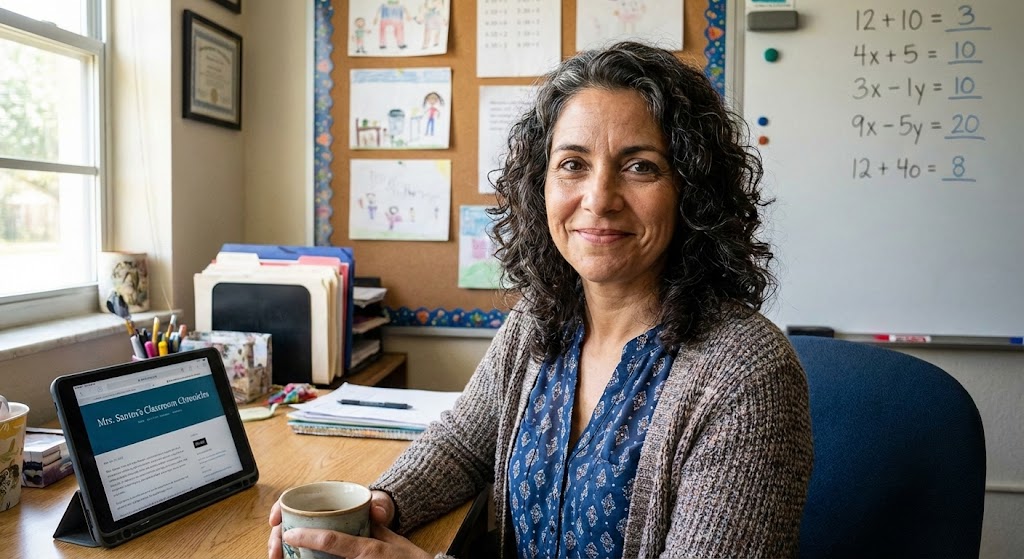
Maria Santos
Maria has been teaching 4th grade in Tampa, Florida for 22 years. Known as "the math whisperer" among her colleagues, she writes about the real challenges and victories of teaching in Florida's public schools.
When she's not grading papers or creating lesson plans, you can find Maria at her local teacher supply store (with coupons in hand) or sharing teaching tips over cafecito with her teacher friends.
View Full Profile →Related Articles
When Parents Say "My Child Would Never" (And What We Do Next)
Parent communication tip: Last Tuesday, I called Mrs. Rodriguez to discuss her son Miguel's behavior...
How to Talk to Parents About Test Scores Without Making Everyone Cry
Parent communication tip: Last week, I watched a parent's face crumple as I explained her daughter's...
Ready to Improve Your FAST Scores?
Upload your class data and get personalized IXL success plans in seconds.
Try It Free