The Conference Prep That Actually Gets Results (And Saves Your Sanity)
Last Tuesday, I watched a first-year teacher frantically shuffling through a mountain of papers five minutes before her first parent conference. She had test scores, work samples, behavior charts, and sticky notes everywhere. I recognized that look of panic because, ay, I used to be that teacher.
My first year teaching, I thought being prepared meant having every single piece of student work organized in color-coded folders. I spent entire weekends creating elaborate displays that parents barely glanced at. Meanwhile, I completely missed what they actually wanted to know: Is my child okay? Are they learning? What can I do to help?
After 22 years and hundreds of conferences, I've learned that the best prep isn't about perfect organization. It's about meaningful conversation.
Start With the Heart, Not the Data
Here's what I wish someone had told me early on: parents don't come to conferences for a data dump. They come because they love their kids and want to understand how to support them.
Before I dive into any academic discussion, I always start with something positive and specific about their child as a person. Not just "Sofia is sweet" but "Sofia noticed that Marcus looked sad at lunch yesterday and quietly shared her crackers with him."
This isn't just feel-good fluff. When parents feel like you truly see their child, they're more open to hearing about areas that need work.
The Three-Story Rule
I learned this trick from my mentor teacher, Mrs. Rodriguez, who could make any parent feel at ease within minutes. For every conference, prepare three specific stories about their child:
- One that shows their academic growth
- One that highlights their character or social skills
- One that demonstrates their unique personality
These don't have to be dramatic moments. Sometimes it's as simple as how Jayden helped a classmate understand fractions or how Aisha always makes sure our class pet has fresh water.
Stories stick with parents long after test scores are forgotten.
Make Your Data Tell a Story Too
Don't get me wrong, we absolutely need to discuss academic progress. But numbers without context are just confusing.
Instead of saying "Emma scored a Level 2 on FAST," try "Emma's reading has grown so much since August. In the beginning, she was reading at about a 2nd grade level, and now she's tackling 4th grade texts. The state test shows she's not quite at grade level yet, but look at this growth chart, she's moving in exactly the right direction."
I keep a simple one-page summary for each student with their key data points translated into parent-friendly language. No education jargon, no acronyms they haven't heard before.
The Magic Question That Changes Everything
Halfway through each conference, I ask this question: "What are you seeing at home that I should know about?"
This question has revealed so much over the years. I've learned about parents' divorces, new babies, grandparents moving in, financial stress, and countless other factors affecting my students' school performance.
Sometimes parents share that their child comes home frustrated with math, which gives me insight into how to adjust my approach. Other times they mention their child talks non-stop about science, revealing a passion I hadn't noticed in class.
Listen more than you talk during this part. Parents know their children in ways we never will.
Prep the Hard Conversations
Let's be honest, some conferences are tougher than others. When you need to discuss significant academic or behavioral concerns, preparation is crucial.
I always start by acknowledging what the child does well, then frame challenges as problems we'll solve together. Instead of "Miguel is behind in reading," I say "Miguel is working hard in reading, and I think with some targeted support both at school and home, we can help him make bigger gains."
Have specific suggestions ready. Parents want to help but often don't know how. I keep a list of simple activities they can do at home for different skill levels.
The Follow-Up That Seals the Deal
Here's something most teachers skip: the follow-up. Within a week of each conference, I send a brief email summarizing what we discussed and reiterating any action steps.
This doesn't have to be elaborate. A simple message like "Thanks for taking time to meet yesterday. As we discussed, we'll continue working on multiplication facts at school. The website I mentioned for practice at home is [link]. I'll check in with you in a few weeks about how the bedtime reading routine is going."
Parents appreciate this confirmation, and it keeps everyone accountable to the plans we made.
Technology Can Be Your Friend (Or Your Enemy)
Carlos always laughs when he sees me practicing how to share my screen or testing the conference room's computer beforehand. But trust me, there's nothing worse than spending half your conference time troubleshooting technology.
If you're showing digital portfolios or online gradebooks, practice beforehand. Have screenshots as backup. And always, always have paper copies of essential information.
The Real Secret: It's About Relationships
After all these years, I've realized that successful conferences aren't about perfect preparation or flawless presentations. They're about building relationships between home and school.
When parents feel heard, respected, and included as partners in their child's education, magic happens. Kids succeed when the adults in their lives are working together.
Some of my most impactful conferences have been the messiest ones, where we've laughed together, problem-solved together, and sometimes even cried together.
Your Conference Prep Checklist
Here's my streamlined prep list that actually works:
- Three specific stories about the child
- One-page data summary in parent-friendly language
- 2-3 concrete suggestions for home support
- Any work samples that show growth or illustrate a point
- A way to contact families afterward
That's it. No color-coding required.
Remember, we're all on the same team here. Parents want their kids to succeed just as much as we do. Our job is to help them see how we can work together to make that happen.
You've got this, and your students are lucky to have a teacher who cares enough to prepare thoughtfully for these important conversations.
Maria Santos
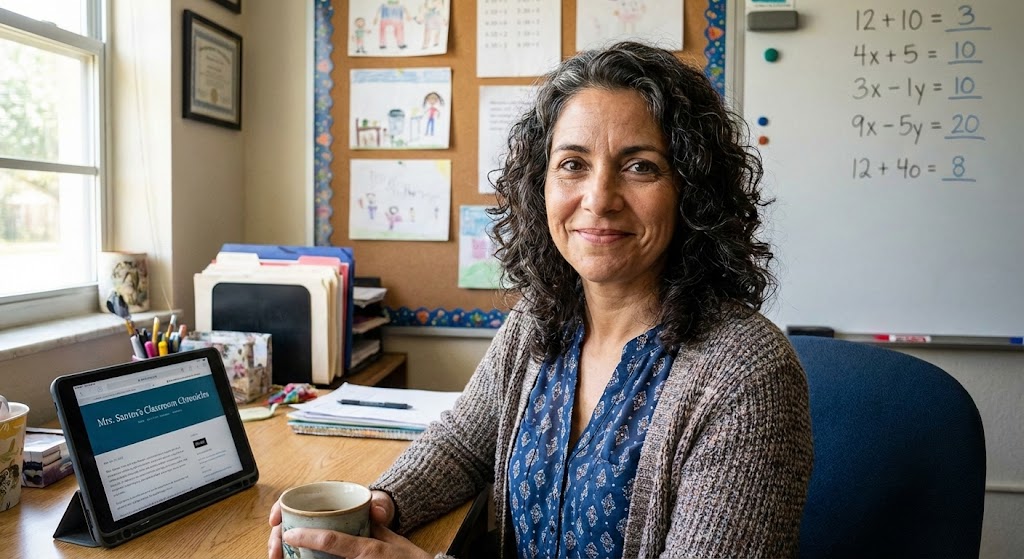
Maria has been teaching 4th grade in Tampa, Florida for 22 years. Known as "the math whisperer" among her colleagues, she writes about the real challenges and victories of teaching in Florida's public schools.
When she's not grading papers or creating lesson plans, you can find Maria at her local teacher supply store (with coupons in hand) or sharing teaching tips over cafecito with her teacher friends.
View Full Profile →Related Articles
When Parents Say "My Child Would Never" (And What We Do Next)
Parent communication tip: Last Tuesday, I called Mrs. Rodriguez to discuss her son Miguel's behavior...
How to Talk to Parents About Test Scores Without Making Everyone Cry
Parent communication tip: Last week, I watched a parent's face crumple as I explained her daughter's...
Ready to Improve Your FAST Scores?
Upload your class data and get personalized IXL success plans in seconds.
Try It Free