The First Week Magic: How I Learned to Stop Panicking and Start Building Community
Last Monday, I stood outside my classroom door at 7:15 AM, coffee in one hand and a stack of name tags in the other, watching 23 fourth graders bounce down the hallway like ping pong balls. My stomach did that familiar flip it's done every August for the past 22 years.
You'd think I'd be over the first week jitters by now, pero no. The butterflies never go away completely. But what has changed is what I focus on during those crucial first five days.
The Mistake I Made for Way Too Many Years
Early in my career, I thought the first week was about establishing myself as the boss. I'd spend hours creating elaborate rules charts and consequence systems. I'd practice my "teacher voice" in the mirror and plan lessons that would wow my students with my brilliance.
Ay, dios mio, was I missing the point.
My third year teaching, I had this student named Kevin who spent the entire first week testing every boundary I'd so carefully established. By Friday, we were both exhausted and frustrated. It wasn't until October that I realized Kevin wasn't being defiant. He was scared and trying to figure out if I was safe.
That's when everything clicked for me.
What the First Week Is Really About
The first week isn't about rules or procedures or even academics. It's about one thing: building trust.
Our kids walk into our classrooms carrying invisible backpacks filled with their worries, their hopes, their past experiences with school. Some of my students at our Title I school come in wondering if they'll have enough to eat at lunch. Others are worried about whether they're smart enough to keep up.
They're all asking the same silent question: "Will this teacher see me, accept me, and help me succeed?"
Everything else we do that first week should answer that question with a resounding yes.
My First Week Game Plan (That Actually Works)
Day One: The Welcome Mat
I greet every single student at the door. Not just a quick "good morning," but a real greeting. I ask about their summer, compliment their backpack, or comment on something I notice about them.
Inside, we start with a circle on the carpet. I tell them three things about me (I have two kids, I love to cook, and I'm terrified of lizards). Then I ask each of them to share one thing they're excited about and one thing they're nervous about for fourth grade.
The magic happens when they realize other kids share their worries. Suddenly, Maria isn't the only one concerned about multiplication tables, and James discovers he's not alone in worrying about making friends.
Days Two and Three: Learning About Each Other
We do activities that help us discover what makes each person unique. My favorite is the "Expert Badge" activity. Each student creates a badge showing something they're really good at, whether it's soccer, making their little sister laugh, or knowing everything about dinosaurs.
Then we do a gallery walk where everyone gets to be the teacher for five minutes, sharing their expertise with small groups. You should see how David, who struggles with reading, lights up when he's teaching others about caring for hermit crabs.
The Procedures That Actually Matter
Yes, we need routines and procedures. But I've learned to focus on the ones that truly impact our learning environment.
The Three Non-Negotiables
After years of trying to control everything, I've narrowed it down to three essential procedures we practice until they're automatic:
How we treat each other: We practice kind words, listening when someone is talking, and asking for help respectfully. This isn't a poster on the wall; it's something we role-play and discuss.
How we handle mistakes: I model this by making deliberate errors and showing how to fix them without drama. "Oops, I wrote 'recieve' instead of 'receive.' Let me fix that and move on." Mistakes become learning opportunities, not sources of shame.
How we ask for help: We practice the difference between "I don't get it" and "I tried this strategy, but I'm stuck on this part." It takes time, but it's worth it.
The Magic of Morning Meetings
Every day starts with a 10-minute morning meeting. We share news, do a quick team-building activity, and preview the day. It's become the heartbeat of our classroom community.
Some teachers think it's "lost instructional time," but I've seen how those 10 minutes actually make the rest of our day more productive. Kids who feel connected and settled learn better.
Building Academic Confidence from Day One
By Wednesday, we start weaving in academics, but in low-stakes ways that build confidence rather than create anxiety.
I do quick assessments disguised as games. Math scavenger hunts around the room. Reading interest surveys that feel like fun questionnaires. Writing activities where they tell me about their perfect day.
The goal isn't to grade anything yet. It's to see where they are and help them see that learning can be enjoyable.
When Things Don't Go According to Plan
Let me be real with you. Not every first week goes smoothly. Last year, I had a student melt down on day two because she missed her third-grade teacher. Another year, a parent complained that we weren't doing "enough real work" by Thursday.
Here's what I've learned: stay flexible and keep your eye on the big picture. That little girl who had the meltdown? By October, she was helping other students adjust to our classroom routines. The parent who complained? Her son ended the year telling everyone that fourth grade was his favorite year ever.
The Friday Check-In
Every first Friday, I do individual check-ins with students. Just two minutes each while others are reading independently. I ask three questions:
- What's your favorite thing about our classroom so far?
- What's something you're still figuring out?
- What can I do to help you have a great year?
Their answers guide everything I do moving forward.
Your First Week Survival Kit
Pack these essentials for your sanity:
- Extra coffee (or whatever keeps you going)
- Comfortable shoes (you'll be on your feet constantly)
- A sense of humor (things will go wrong, and that's okay)
- Tissues (for both kids' runny noses and your happy tears)
- A flexible mindset (your perfectly planned lesson might need to become a conversation about feelings)
The Real Victory
By the end of that first week, I don't measure success by how many procedures we've mastered or how much curriculum we've covered. I measure it by the smiles I see when kids walk in each morning and the way they're starting to help each other.
When I see Marcus automatically hand Sofia a tissue when she sneezes, or watch Emma invite the new student to sit with her at lunch, I know we're building something special.
The first week sets the tone for everything that follows. Make it about connection, community, and kindness. The academics will come, pero first, we build the foundation of trust that makes everything else possible.
Remember, we're not just teaching fourth grade. We're teaching fourth graders. And they need to know they matter before they can believe their learning matters too.
You've got this, friends. Take a deep breath, trust the process, and enjoy watching your classroom community bloom.
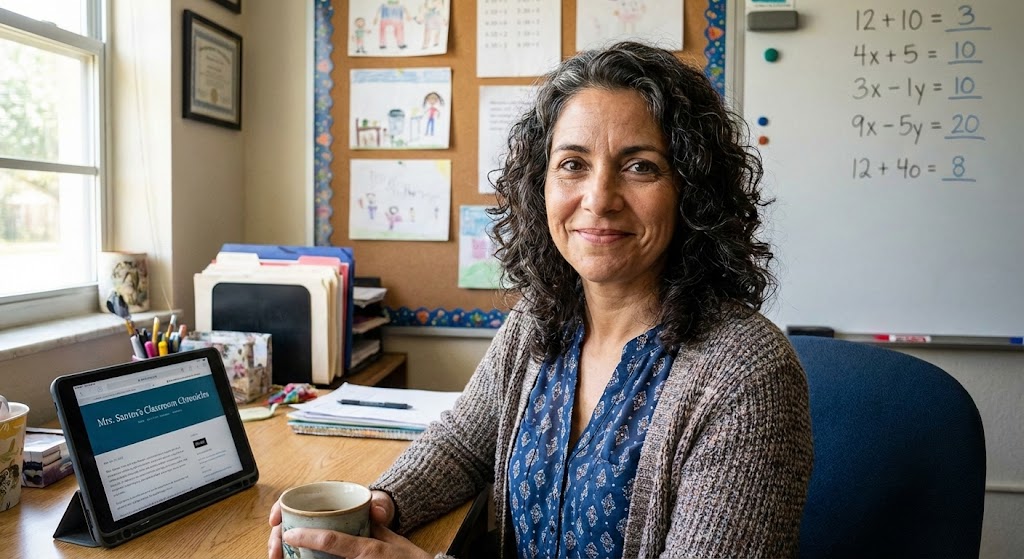
Maria Santos
Maria has been teaching 4th grade in Tampa, Florida for 22 years. Known as "the math whisperer" among her colleagues, she writes about the real challenges and victories of teaching in Florida's public schools.
When she's not grading papers or creating lesson plans, you can find Maria at her local teacher supply store (with coupons in hand) or sharing teaching tips over cafecito with her teacher friends.
View Full Profile →Related Articles
The One Transition Trick That Finally Stopped My Classroom Chaos
Classroom management tip: Last Tuesday, I watched a veteran teacher at my school lose ten full minut...
When Everyone's Brain is Already at the Beach (Including Yours)
Classroom management tip: Last Tuesday, I caught myself staring out the window during math, watching...
Ready to Improve Your FAST Scores?
Upload your class data and get personalized IXL success plans in seconds.
Try It Free