The Kid Who Tests Every Single Boundary (And How I Learned to Handle It)
Last Tuesday, I watched Miguel test every single boundary I'd set in my classroom. And I mean every one.
First, he "forgot" to raise his hand during morning meeting. Then he decided pencils worked better as drumsticks than writing tools. By lunch, he'd reorganized my supply closet (without permission), helped himself to the class snacks, and somehow convinced three other kids that indoor recess meant fort-building with desks.
Sound familiar? We've all had that one student who seems to view our classroom rules as mere suggestions. The kid who pushes and pushes until we're ready to pull our hair out.
After 22 years in the classroom, I've learned something important: these boundary-testing students aren't trying to drive us crazy (even though they absolutely do). They're usually trying to figure out if we're safe, consistent, and trustworthy.
Why Kids Test Every Boundary
Here's what took me way too long to understand. When a student tests every single rule, they're often asking the same question: "Are you going to stick around when things get tough?"
Many of our boundary-pushers have experienced adults who give up on them. Maybe a parent who checked out emotionally. Maybe a teacher who labeled them "difficult" and stopped trying. Maybe a coach who cut them from the team.
So they test us. Hard.
Miguel, my little boundary-pusher, lives with his grandmother because his mom is dealing with addiction. His world has felt pretty unpredictable lately. No wonder he's testing whether I'm going to be another adult who disappears when he's not "easy."
The Mistakes I Made Early On
Ay, dios mio, did I handle this wrong in my first few years of teaching.
I thought consistency meant being rigid. If the rule said "raise your hand," then by golly, every single hand better shoot up like a rocket. I'd spend entire days in power struggles, digging my heels in over the smallest infractions.
I also took it personally. When Jasmine (a boundary-tester from my third year) rolled her eyes at me for the fifteenth time that day, I felt like she was attacking me as a person. Spoiler alert: she wasn't. She was just being a kid with big feelings and limited emotional regulation skills.
The worst mistake? I tried to eliminate all boundary-testing instead of using it as information.
What Actually Works
Now when I have a student like Miguel, I remind myself that boundary-testing is communication. They're telling me something important about what they need.
Here's my game plan:
Stay Calm and Predictable
This is the hardest part, but it's everything. When Miguel drummed with his pencils, I walked over calmly and said, "Miguel, pencils are for writing. You can drum on your desk quietly or put the pencils away."
No lecture. No frustration in my voice (even though I was definitely feeling it). Just calm, clear expectations.
The key is doing this consistently, even when you're tired, even when it's the tenth time that day, even when you have seventeen other things happening.
Pick Your Battles Wisely
Not every boundary needs to be a hill you die on. I learned this the hard way after spending an entire morning arguing with a student about whether his shoes were "too untied" for safety.
Focus on the boundaries that matter for learning and safety. If Miguel wants to organize his desk supplies in rainbow order instead of paying attention to math, that's a conversation for later. If he's throwing those supplies across the room, that's immediate.
Give Them Some Control
Boundary-testers often feel powerless in other areas of their lives. Giving them appropriate choices can reduce the need to test.
"Miguel, I can see you have a lot of energy today. Would you like to be my pencil sharpener monitor, or would you prefer to take a quick walk to the office with this note?"
Both options redirect his energy, but he gets to choose.
Connect Before You Correct
Before addressing the boundary-testing behavior, I try to connect with the student. Sometimes it's a quick check-in: "How are you doing today, mija?" Sometimes it's noticing something positive: "I saw you help Carmen with her backpack this morning."
Connection doesn't mean being permissive. It means showing the student that our relationship can handle their big feelings and challenging behaviors.
The Long Game
Here's what I wish someone had told me in my early years: this takes time. Like, a lot of time.
Miguel didn't transform overnight. For weeks, he kept testing. But slowly, as I stayed calm and consistent, the testing decreased. He started raising his hand more often. He asked before reorganizing my supplies (and honestly, his system was better than mine).
Most importantly, he started trusting that I wasn't going anywhere.
When You're at Your Limit
Some days, you're going to want to quit. Last month, I called Carlos during my planning period and said, "I can't do this anymore." He reminded me that I say that at least once every school year, usually about the same time (November, when the honeymoon phase is over but winter break feels impossibly far away).
On those days, remember that you're not just managing behavior. You're showing a child that adults can be trustworthy, that boundaries can feel safe instead of punitive, and that someone believes they're worth the effort.
Find your teacher buddy who gets it. Take your lunch break. Breathe.
The Breakthrough Moment
You'll know you're making progress when the boundary-testing shifts. Instead of testing every single rule, they might test just one or two. Instead of pushing back with anger, they might push back with humor or negotiation.
Last week, Miguel raised his hand and said, "Mrs. Santos, I really want to reorganize the book corner. Can I do it during indoor recess if I finish my work?"
That's not testing. That's asking. And that's everything.
Remember, we're not trying to eliminate all challenging behavior. We're trying to build relationships strong enough to handle it. Some of our most rewarding teaching moments come from the kids who push us the hardest.
You've got this. Even on the days when it doesn't feel like it.
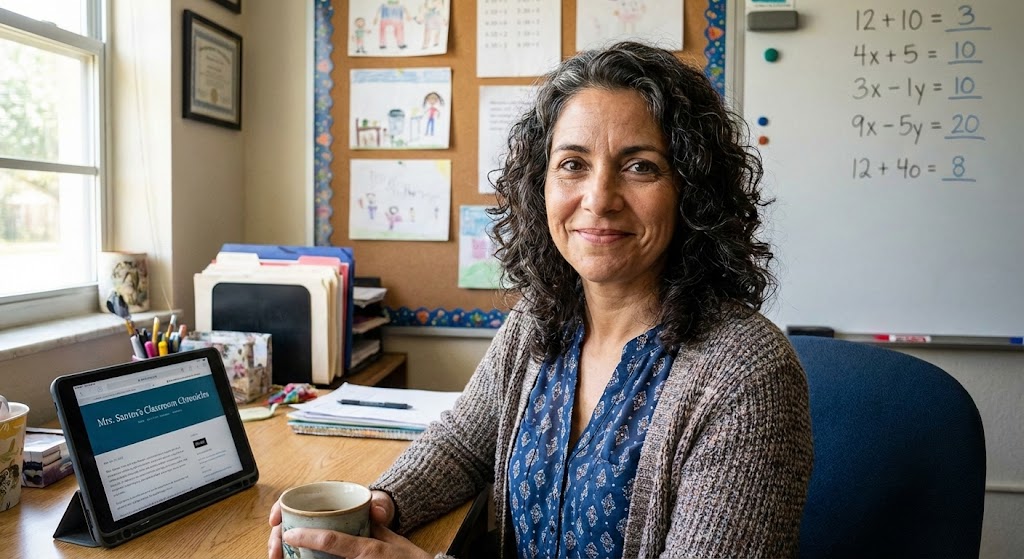
Maria Santos
Maria has been teaching 4th grade in Tampa, Florida for 22 years. Known as "the math whisperer" among her colleagues, she writes about the real challenges and victories of teaching in Florida's public schools.
When she's not grading papers or creating lesson plans, you can find Maria at her local teacher supply store (with coupons in hand) or sharing teaching tips over cafecito with her teacher friends.
View Full Profile →Related Articles
The One Transition Trick That Finally Stopped My Classroom Chaos
Classroom management tip: Last Tuesday, I watched a veteran teacher at my school lose ten full minut...
When Everyone's Brain is Already at the Beach (Including Yours)
Classroom management tip: Last Tuesday, I caught myself staring out the window during math, watching...
Ready to Improve Your FAST Scores?
Upload your class data and get personalized IXL success plans in seconds.
Try It Free