The Last Two Weeks: How to Keep Your Class Learning When Their Hearts Are Already on Vacation
It was 2:15 PM on a Tuesday in December, and I was watching my usually focused student Miguel stare out the window like he was expecting Santa's sleigh to appear any moment. Meanwhile, Sofia was humming "Feliz Navidad" under her breath during our math lesson, and don't even get me started on what happened when someone mentioned their family's trip to Disney World.
Sound familiar?
We've all been there. Those final weeks before winter break when our students' brains seem to have already packed their bags and headed south. But here's the thing I learned after 22 years of December teaching disasters: we don't have to choose between keeping kids engaged and maintaining our sanity.
The December Reality Check
Let's be honest about what we're dealing with here. Our kids are excited, overstimulated, and probably eating way too much sugar at every holiday party. The weather in Florida might still be gorgeous (sorry, northern friends), but there's definitely something in the air that makes concentration feel impossible.
I used to fight this tooth and nail. I'd plan elaborate lessons and get frustrated when they flopped. I'd raise my voice trying to compete with the holiday buzz. Ay, what a waste of energy.
Then I had my lightbulb moment: instead of fighting the excitement, what if I channeled it?
Work WITH the Energy, Not Against It
The best advice I ever got came from my mentor teacher, Mrs. Rodriguez, during my third year. She told me, "Mija, you can't stop a river. But you can build a bridge."
Here's how I build my December bridge:
Shorter, focused bursts. Instead of 45-minute lessons, I break everything into 15-20 minute chunks. Kids can focus for short periods even when they're bouncing off the walls.
Movement built in. Every lesson includes at least one opportunity to stand up, move around, or do something physical. Math scavenger hunts around the classroom? Yes, please.
Choice whenever possible. When kids feel like they have some control, they're more likely to stay engaged. I offer options: "Would you like to solve these word problems independently or with a partner?"
Holiday Learning That Doesn't Feel Like Work
Some of my most successful December lessons have been the ones that embraced the season instead of ignoring it.
Math with a holiday twist. We calculate how many cookies we'd need for the whole school (hello, multiplication practice). We figure out time zones for Santa's journey (geography AND math). We budget for gift-giving with play money (real-world math skills).
Reading that connects. We read holiday stories from different cultures and compare traditions. Perfect for our diverse Florida classrooms, and it hits those reading comprehension standards without feeling forced.
Science experiments with sparkle. Literally. We make "snow" with baking soda and shaving cream to talk about states of matter. We create "reindeer food" and discuss what animals actually eat in winter.
The key is making sure these activities still hit your standards. Fun doesn't mean throwing academics out the window.
Managing the Chaos
Let me share what I wish someone had told me during my first December meltdown in year two.
Lower your expectations (just a little). Your classroom doesn't need to be silent. Your bulletin boards don't need to be perfect. Your lessons don't need to be groundbreaking. Good enough is actually good enough right now.
Have backup plans ready. I keep a file of 10-minute activities that require minimal prep. Brain breaks, quick review games, or even just a few minutes of quiet drawing time can reset the whole room.
Communicate with parents early. I send home a note explaining that we're still learning but adapting our approach for the season. Most parents appreciate the heads up and many offer support.
The Power of Routine in Chaos
This might sound contradictory, but the more excited my kids get, the more I lean into our established routines.
We still start each day the same way. We still have our transition signals. We still use our classroom management systems. These familiar structures become anchors when everything else feels topsy-turvy.
But I also build in new mini-routines for the season. We might start each morning sharing one thing we're grateful for, or end each day with a holiday joke (trust me, fourth-grade humor is something else).
When Things Go Wrong (And They Will)
Last year, our gingerbread house math project turned into what I can only describe as a frosting catastrophe. Kids were more interested in eating the materials than measuring them, and by the end, my classroom looked like a bakery had exploded.
You know what? We laughed about it, cleaned up together, and tried again the next day with better ground rules. Sometimes the best lessons come from the biggest disasters.
Give yourself grace. Not every day will be magical. Some days you'll just be surviving, and that's perfectly okay.
Remember why they're excited. Yes, the energy can be overwhelming, but isn't it beautiful that our students still get this excited about something? Let's not squash that joy completely.
Making Memories While Making Progress
Some of my former students are now in high school, and they still remember our December classroom celebrations. They remember feeling cared for and having fun while learning.
They probably don't remember every single standard we covered, but they remember feeling successful and engaged. That's not nothing, hermana. That's everything.
Your December Survival Kit
Here's what I keep ready for these final weeks:
- A playlist of calm background music for when energy gets too high
- A box of extra pencils (they disappear faster in December, I swear)
- Flexible seating options for kids who need to wiggle
- A sense of humor and a really good cup of Cuban coffee
The truth is, we're all just doing our best during this beautiful, chaotic time of year. Our students will learn, even if it looks different than our October lessons. They'll grow, even if progress feels slower.
And when that final bell rings on the last day, we'll all have earned our break.
What's your best strategy for keeping kids engaged before the holidays? I'd love to hear what works in your classroom.
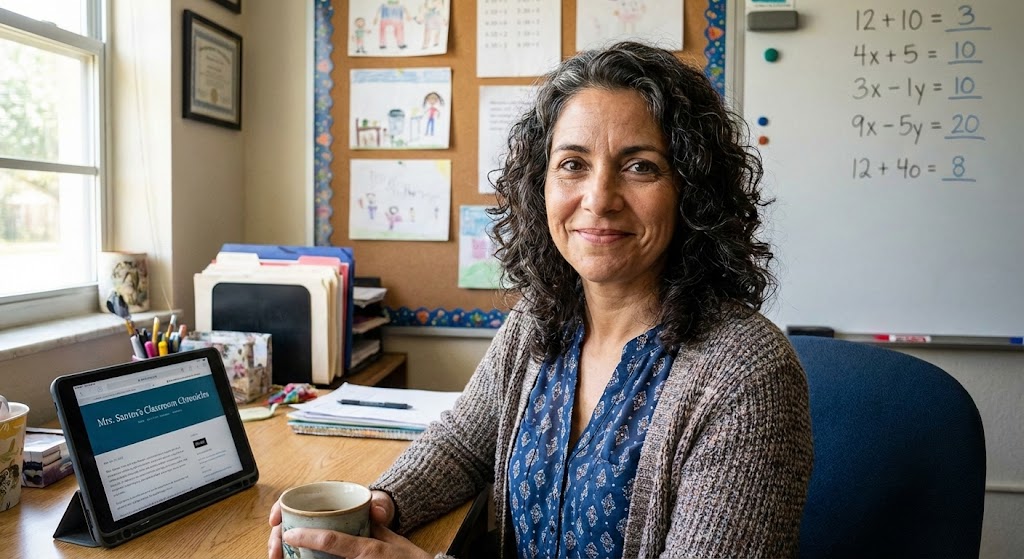
Maria Santos
Maria has been teaching 4th grade in Tampa, Florida for 22 years. Known as "the math whisperer" among her colleagues, she writes about the real challenges and victories of teaching in Florida's public schools.
When she's not grading papers or creating lesson plans, you can find Maria at her local teacher supply store (with coupons in hand) or sharing teaching tips over cafecito with her teacher friends.
View Full Profile →Related Articles
When Your Classroom Feels Like a Melting Pot (And Not Just Because of the Heat)
Classroom management tip: Last Tuesday, I watched little Sophia stare out the window for ten straigh...
When Your Classroom Feels Like a Sauna and Your Students Act Like It's Already June
Classroom management tip: Last Tuesday, I watched little Emma dramatically fan herself with her math...
Ready to Improve Your FAST Scores?
Upload your class data and get personalized IXL success plans in seconds.
Try It Free