The Parent Conference Prep That Changed Everything (And Takes Less Time Than You Think)
Last Tuesday, I walked into a parent conference completely unprepared. Again.
I had Marcus's soccer game the night before, a stack of essays to grade, and somehow convinced myself I could just "wing it" with Mrs. Rodriguez about her daughter Sofia's reading struggles. Twenty-two years of teaching, and I'm still making rookie mistakes sometimes.
The meeting was awkward. I fumbled through Sofia's portfolio, couldn't find her latest assessment scores, and worst of all, I could see the disappointment in her mom's eyes. She had taken time off work, arranged childcare, and I showed up looking like I'd grabbed random papers on my way to the conference room.
That night, I promised myself (and Sofia) that I'd never walk into another conference unprepared. Here's the system I've developed that actually works, even when life gets crazy.
Start With the Story, Not the Scores
Here's what I learned the hard way: parents don't want to hear about percentiles first. They want to know you see their child as a whole person.
I now start every conference by sharing something specific and positive about their kid. Not generic praise like "she's sweet," but real observations. "Miguel always helps classmates who are struggling with math, even when he's still figuring it out himself." Or "Emma asked the most thoughtful question about our butterfly unit last week."
This isn't just feel-good fluff. When parents know you really see their child, they're more likely to partner with you on the hard stuff.
The Three-Folder System That Saves My Sanity
I keep three folders for each student throughout the year, and conference prep becomes so much easier.
Folder One: The Good Stuff Every time a student has a breakthrough, writes something that makes me smile, or shows growth, I toss a sample in here. These aren't just perfect papers. I save the math worksheet where Carlos finally got fractions, even though half the problems were wrong. Growth matters more than perfection.
Folder Two: The Concerns When I notice a pattern (missing assignments, struggling with a concept, social issues), I document it here with dates. This isn't about building a case against a kid. It's about having concrete examples when I need to explain why I'm recommending extra support.
Folder Three: The Plan This is where I keep notes about what we've already tried and what's working. If Sofia's mom asks what we can do about reading at home, I'm not scrambling to think of generic suggestions. I have specific strategies that match what we're doing in class.
The Pre-Conference Email That Changes Everything
Three days before each conference, I send a short email to parents. Nothing fancy:
"Hi Mrs. Chen! I'm looking forward to talking with you about David on Thursday. Is there anything specific you'd like me to address? Any concerns or questions you've been thinking about?"
This simple email has prevented so many misunderstandings. Sometimes parents are worried about something that's actually going great. Sometimes they have insights about home life that completely change how I approach the conversation.
Plus, it shows you value their input. We're partners in this, not adversaries.
The Magic of the Two-Minute Prep
Even with my folder system, I still need focused prep time before each conference. But here's the thing: it doesn't take long if you're organized.
For each student, I spend exactly two minutes reviewing: - One recent success (from the good stuff folder) - One area of growth or concern - One specific next step we can work on together
That's it. I write these three points on a sticky note and put it on the front of their folder. During the conference, this keeps me focused and ensures I cover what matters most.
When Things Get Difficult
Let's be honest: some conferences are tough. Maybe grades are low, behavior is concerning, or parents are frustrated with the school.
I've learned to acknowledge the difficulty upfront. "I know this isn't the report you were hoping for" or "I can see you're frustrated, and I understand why."
Then I pivot quickly to partnership. "Here's what I'm seeing, here's what we've tried, and here's what I think we should do next. What are you seeing at home?"
The key is having specific examples and concrete next steps. Vague concerns lead to defensive parents. Specific observations with clear plans lead to collaboration.
The Follow-Up That Seals the Deal
Before parents leave, I always ask: "What's one thing you're going to try at home this week?" And I tell them one specific thing I'm going to focus on in class.
Then, and this is crucial, I follow up within a week. Just a quick email: "Hi! Just wanted to let you know that Emma has been using the reading strategy we talked about, and I can already see improvement."
This follow-up turns a conference from a one-time event into an ongoing partnership.
Making It Work in Real Life
I know what you're thinking: "Maria, this sounds great, but when am I supposed to maintain three folders for 28 kids?"
Fair point. Here's the truth: it takes about five extra minutes a day. When I'm grading papers, I toss standouts into the good folder. When I'm writing lesson plans, I jot down concerns. When I'm cleaning up after school, I file things away.
The payoff is huge. Conference week used to stress me out completely. Now it's actually one of my favorite times because I feel prepared and confident.
Your Turn
Conference season is coming whether we're ready or not. But with a little planning, we can turn these meetings into the partnership-building opportunities they're meant to be.
Start small. Pick one strategy from this post and try it for your next round of conferences. Maybe it's the pre-conference email, or maybe it's just starting a "good stuff" folder for each kid.
Our students deserve parents and teachers who are working together, and that starts with us being prepared to have real, productive conversations about their growth.
Now go show those parents that you see their children, you know their children, and you're committed to helping them succeed. Because that's exactly what you do every single day.
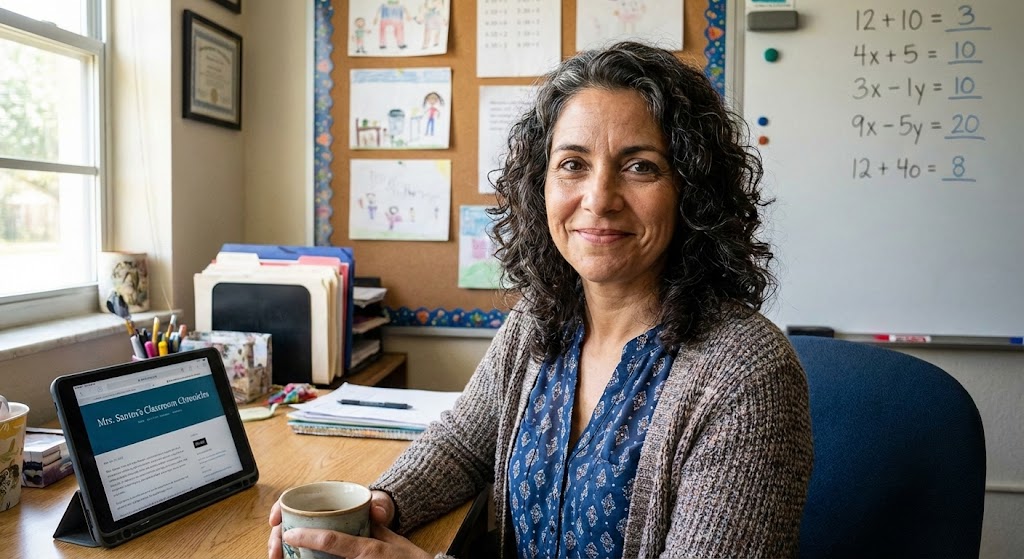
Maria Santos
Maria has been teaching 4th grade in Tampa, Florida for 22 years. Known as "the math whisperer" among her colleagues, she writes about the real challenges and victories of teaching in Florida's public schools.
When she's not grading papers or creating lesson plans, you can find Maria at her local teacher supply store (with coupons in hand) or sharing teaching tips over cafecito with her teacher friends.
View Full Profile →Related Articles
When Parents Are More Stressed Than Kids About School (And How We Can Help)
Parent communication tip: Last week, I watched a mom literally shake during our parent conference. H...
When Parents Are More Stressed Than Kids About School (And What We Can Do About It)
Parent communication tip: Last week, I watched a mom literally shake during our parent conference. H...
Ready to Improve Your FAST Scores?
Upload your class data and get personalized IXL success plans in seconds.
Try It Free