The Veteran Teacher Slump is Real (And How I Climbed Out of Mine)
Last Tuesday, I caught myself doing something that would have horrified my first-year teacher self. I was teaching long division the exact same way I taught it in 2015. Same anchor chart. Same examples. Same tired jokes that my kids clearly weren't buying.
When little Sofia raised her hand and asked, "Mrs. Santos, why do we have to do it this way?" I almost snapped back with "because that's how we do it." Almost. Instead, I heard myself saying something that surprised us both: "You know what, mija? That's a really good question. Let me think about that."
That moment was my wake-up call. After 22 years in the classroom, I had officially hit the veteran teacher slump.
It Sneaks Up on You
The slump isn't burnout, though they're cousins. Burnout is exhaustion and overwhelm. The slump is something sneakier. It's when you realize you've been running on autopilot for months, maybe even years.
You know you're in it when you find yourself saying things like "I've tried everything" or "These kids just don't want to learn." When you catch yourself rolling your eyes at professional development because you've "heard it all before." When you realize your bulletin boards haven't changed since Obama was president.
Ay, dios mio, that last one hit too close to home.
The thing is, we veteran teachers have earned our confidence. We can manage a classroom with our eyes closed. We know which battles to pick and which hills aren't worth dying on. We've survived every educational trend from whole language to Common Core to B.E.S.T. standards.
But somewhere along the way, that hard-earned expertise can become a comfortable cage.
My Personal Rock Bottom
Mine came during a faculty meeting last spring. Our principal was talking about incorporating more student choice into our lessons, and I literally thought, "Here we go again with another buzzword."
Then I looked around the room. The newer teachers were taking notes, asking questions, looking genuinely excited about trying something new. And there I was, arms crossed, mentally planning my grocery list.
When did I become that teacher? The one who shoots down ideas before even considering them?
That night, I went home and told Carlos, "I think I'm becoming one of those bitter veteran teachers." He looked up from his dinner and said, "Well, at least you noticed. That's something, right?"
Leave it to my husband to cut straight to the point.
The Way Back Up
Getting out of the slump isn't about throwing away everything you know. It's about remembering why you fell in love with teaching in the first place, then finding new ways to honor that passion.
Start Small
I didn't overhaul my entire teaching practice overnight. Instead, I picked one subject (math, naturally) and committed to trying one new thing each week.
Week one: I let students choose whether to work standing up, sitting on the floor, or at their desks during independent practice. Revolutionary? Hardly. But you should have seen how excited Marcus got about doing his multiplication tables while lying on his stomach.
Week two: I started asking "How else could we solve this?" instead of moving on after the first correct answer.
Week three: I introduced math talks. Just five minutes at the start of each lesson where kids shared their thinking.
Small changes, pero they added up to something bigger.
Say Yes to Something That Scares You
Last fall, our literacy coach asked for volunteers to pilot a new writing program. Old Maria would have said, "I'm good with what I have, thanks." New Maria raised her hand before she could chicken out.
Was it perfect? Not even close. Did I feel like a first-year teacher again, fumbling through lessons and staying up late planning? Absolutely. But you know what else? I remembered what it felt like to be excited about Monday morning.
Find Your People
The slump is isolating. You start thinking you're the only one who feels stuck while everyone else has it figured out. Spoiler alert: they don't.
I started eating lunch with some of the newer teachers instead of hiding in my classroom. Their energy was contagious, and my experience was actually helpful to them. Win-win.
I also reached out to my teacher friend Carmen, who's been teaching even longer than I have. Turns out she'd been feeling the exact same way. We started meeting once a month to share what was working and what wasn't. Sometimes we just vented. Sometimes we planned lessons together. Always, we reminded each other that we're not in this alone.
The Gift of Experience
Here's what I wish someone had told me sooner: the slump isn't a sign that you're a bad teacher. It's a sign that you're human.
We veterans have something precious that we sometimes forget to value. We have perspective. We've seen fads come and go. We know that relationship-building matters more than test scores. We understand that some days you throw out the lesson plan and just meet kids where they are.
The trick is holding onto that wisdom while staying open to growth.
Questions That Helped Me
When I catch myself slipping back into autopilot mode, I ask myself:
- What would I try if I knew it couldn't fail?
- When was the last time I learned something new about teaching?
- Am I teaching this way because it works for my students, or because it's what I've always done?
- What would my first-year teacher self think about my classroom today?
That last question is brutal but necessary.
You're Not Too Old to Grow
Last month, Sofia (remember her from the beginning?) taught the class a different way to do long division that she learned from her older sister. Instead of shutting it down, I let her show us. Then we compared methods and talked about why both work.
The best part? Three kids who had been struggling with division suddenly got it when they saw Sofia's method.
If I'd stayed in my slump, I would have missed that moment. I would have robbed those kids of a breakthrough because I was too stubborn to consider that maybe, just maybe, a fourth-grader might have something to teach me.
Moving Forward
The slump isn't a destination. It's a detour. And like any detour, it can actually lead you somewhere better than where you were originally headed.
These days, I'm more intentional about mixing things up. I seek out professional development that challenges me. I ask my students for feedback on lessons. I collaborate with teachers half my age and twice my enthusiasm.
Some weeks I feel like a master teacher with decades of wisdom. Other weeks I feel like I'm figuring it out as I go. Both can be true at the same time.
If you're reading this and thinking, "Yep, that's me," know that you're not alone and you're not stuck. The slump is real, but so is your ability to climb out of it.
Start small. Say yes to something scary. Find your people. And remember that after all these years, you're still learning. That's not a bug in the system. That's the whole point.
Our students need us at our best, not our most comfortable. And sometimes, getting to our best means admitting we've been coasting and choosing to do something about it.
You've got this, teacher. We all do.
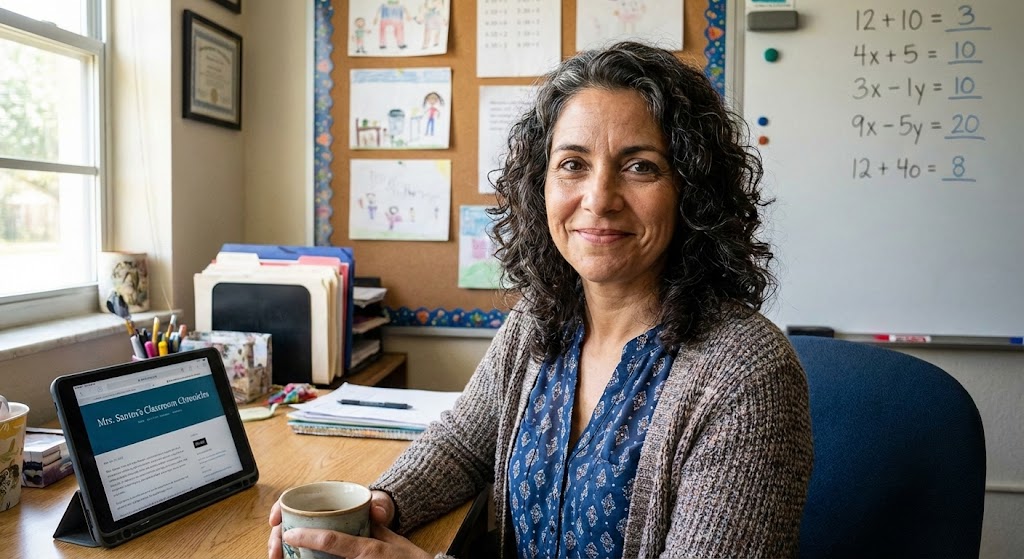
Maria Santos
Maria has been teaching 4th grade in Tampa, Florida for 22 years. Known as "the math whisperer" among her colleagues, she writes about the real challenges and victories of teaching in Florida's public schools.
When she's not grading papers or creating lesson plans, you can find Maria at her local teacher supply store (with coupons in hand) or sharing teaching tips over cafecito with her teacher friends.
View Full Profile →Related Articles
How I Finally Stopped Taking Work Home Every Night (And You Can Too)
Teacher advice: Last Tuesday, Carlos looked at me across the dinner table and said, "Mija, is that a...
The End-of-Year Honest Look in the Mirror Every Teacher Needs to Take
Teacher advice: Last June, I was cleaning out my desk and found a sticky note I had written to mysel...
Ready to Improve Your FAST Scores?
Upload your class data and get personalized IXL success plans in seconds.
Try It Free