The Week Before Break: When Your Kids Are Bouncing Off the Walls But Learning Still Matters
Last Tuesday, little Javier asked me for the fourth time if we could "just watch movies until break." Meanwhile, Sofia was drumming her pencil to what I can only assume was a mental playlist of holiday songs, and Marcus kept checking the countdown calendar he'd made on his desk.
Sound familiar?
We've all been there. It's the week before winter break, and our students are mentally checked out. Their bodies are in our classrooms, but their minds are already unwrapping presents or building sandcastles. As teachers, we're caught between wanting to keep learning alive and accepting the reality that traditional lessons might fall flat.
After 22 years of navigating these pre-break weeks, I've learned that fighting against the holiday excitement is like trying to hold back the tide. But that doesn't mean we throw in the towel on learning.
Embrace the Energy, Don't Fight It
My first few years teaching, I stubbornly stuck to my regular lesson plans right up until the last day. Ay, what a mistake that was. I'd get frustrated when kids couldn't focus on long division while visions of sugar plums danced in their heads.
Now I know better. The key is channeling that excitement into learning opportunities rather than pretending it doesn't exist.
This year, when my students started getting antsy, I pivoted. Instead of our usual math warm-up, we estimated how many candy canes could fit in a jar. Then we used that as a jumping-off point for volume and measurement concepts. The kids were engaged because it felt festive, but they were still practicing real math skills.
Make Learning Feel Like Play
The magic happens when students don't realize they're learning because they're having too much fun to notice.
Holiday-themed escape rooms work wonders for this. I create simple puzzles that require students to solve math problems or use reading comprehension skills to "escape" the North Pole or find the missing reindeer. The kids think it's pure fun, but I'm secretly assessing their understanding of fractions and main idea skills.
Story problems become infinitely more interesting when they involve calculating how much wrapping paper Santa needs or figuring out cooking times for holiday treats. Same skills, different packaging.
Tap Into Their Natural Curiosity
Kids are naturally curious about holidays and traditions. Use that curiosity as a gateway to learning.
We spent one afternoon researching holiday traditions from around the world. Students practiced their research skills, learned about different cultures, and created presentations. It felt like a fun exploration, but they were developing critical thinking and presentation skills.
Another day, we investigated the science behind snow (even here in Florida where most of my kids have never seen it). We made "snow" from baking soda and shaving cream, talked about states of matter, and discussed weather patterns. Pure science learning disguised as holiday fun.
Keep It Short and Sweet
Attention spans are shorter than usual during this time, so I break everything into smaller chunks. Instead of our typical 20-minute math block, I do three 7-minute mini-lessons throughout the day.
Quick brain breaks become more important than ever. We do holiday-themed movement activities, like "reindeer stretches" or "elf exercises." The kids get their wiggles out, and I get their attention back for the next learning opportunity.
Use This Time for Meaningful Review
Pre-break weeks are perfect for spiraling back to concepts we've covered. But instead of boring review sheets, I make it game-based.
Holiday bingo with math problems in each square. Scavenger hunts that require students to find examples of adjectives around the classroom. Relay races where teams have to solve problems to move to the next station.
I also use this time to look at our FAST data and see where kids need extra support. My colleague Rosa showed me this tool called FastIXL that matches our assessment scores to specific practice skills, which makes it super easy to create targeted review activities that feel like games.
Create Calm Spaces Too
Not every student is excited about the holidays. Some kids face difficult family situations or financial stress during this time. Others just need quiet spaces to recharge.
I always set up a cozy reading corner with holiday books (both religious and secular options) and some that have nothing to do with holidays at all. Sometimes the best gift we can give a student is permission to just be quiet and read.
Plan for the Unexpected
Florida weather is unpredictable any time of year, but December can be especially wild. Have indoor activities ready when the afternoon thunderstorm hits during your planned outdoor holiday party.
Keep extra activities in your back pocket for when things move faster than expected. Digital breakout rooms, online holiday-themed coding activities, or virtual field trips to holiday displays around the world can save the day when you need something engaging quickly.
Remember: You're Human Too
Here's something nobody tells you in teacher training: it's okay to admit that you're also thinking about break. Your students can sense when you're going through the motions.
Instead of pretending you're not excited about time off, acknowledge it. "I know we're all looking forward to break, and that's okay! But we still have some fun learning to do together first."
When you're authentic about the challenge of staying focused, kids often rise to meet that honesty with better behavior and engagement.
The Real Gift
The truth is, these pre-break days can actually be some of the most meaningful of the year. When we let go of rigid expectations and embrace creativity, we often discover new ways to reach our students.
That excitement in the air? That anticipation? Those are powerful emotions that can fuel learning if we harness them right.
So yes, Javier will probably ask about movies again tomorrow. Sofia might keep drumming her pencil. But somewhere between the holiday math games and the cultural research projects, they'll be learning. They just might not realize it.
And honestly, that's the best kind of teaching there is.
What strategies have worked for you during those tricky pre-break weeks? I'd love to hear how you keep the learning alive when the holiday magic is calling.
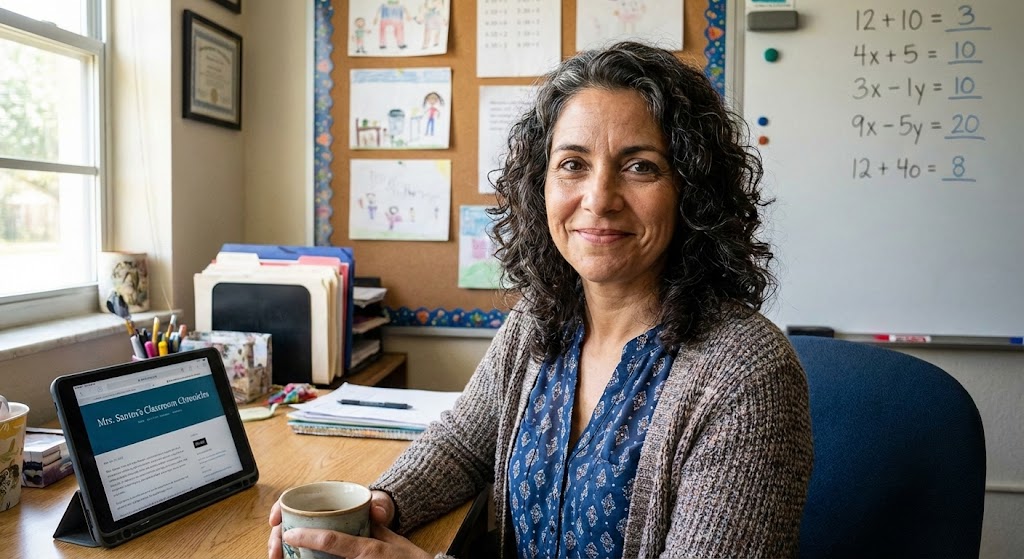
Maria Santos
Maria has been teaching 4th grade in Tampa, Florida for 22 years. Known as "the math whisperer" among her colleagues, she writes about the real challenges and victories of teaching in Florida's public schools.
When she's not grading papers or creating lesson plans, you can find Maria at her local teacher supply store (with coupons in hand) or sharing teaching tips over cafecito with her teacher friends.
View Full Profile →Related Articles
My Transition Trick That Actually Works (And Why I Wish I'd Figured It Out 15 Years Ago)
Classroom management tip: Last Tuesday, I watched a first-year teacher practically melt down in the ...
My Transition Trick That Actually Works (And Why I Wish I'd Known It 20 Years Ago)
Classroom management tip: Last Tuesday, I watched a first-year teacher practically melt down in the ...
Ready to Improve Your FAST Scores?
Upload your class data and get personalized IXL success plans in seconds.
Try It Free