What I Wish I Knew About FAST Testing (Before I Made Every Rookie Mistake in the Book)
Last spring, I watched a first-year teacher practically hyperventilate over FAST scores. She was convinced her career was over because her students didn't perform as well as she'd hoped. I wanted to hug her and tell her what I wish someone had told me five years ago when FAST first rolled out.
Pero listen, we've all been there. I remember my first year with FAST testing, frantically trying to figure out what these new numbers meant and how they compared to the old FSA scores. I made mistakes, lost sleep, and probably stressed my poor students out more than I helped them.
After five years of navigating this system, I've learned some things the hard way. Here's what I wish I'd known from day one.
FAST Isn't Just Another Test to Survive
When FAST first arrived, most of us treated it like we did the FSA. We prepped, we stressed, we crossed our fingers and hoped for the best. But here's what took me way too long to figure out: FAST is designed differently.
The adaptive nature means it's actually trying to find each student's instructional level, not just pass or fail them. When little Marcus (not my son, my student Marcus) gets a question wrong, the test adjusts. When Sofia nails three in a row, it gets harder.
This was a game changer for me. Instead of seeing "below grade level" as failure, I started seeing it as information. The test was telling me exactly where each student was, not where I wished they were.
The Timing Windows Are Your Friend, Not Your Enemy
My first year with FAST, I crammed all my testing into the first week of each window. Ay, dios mio, what a disaster. Kids were tired, I was frazzled, and our computer lab schedule looked like a war zone.
Now I spread it out. I test a few students each day throughout the window. This gives me flexibility when kids are absent, when technology decides to take a vacation, or when we have those inevitable interruptions that come with teaching in Florida during hurricane season.
Pro tip: Keep a simple chart on your clipboard with student names and testing dates. Check them off as you go. Trust me, you'll forget who's tested and who hasn't faster than you think.
Your FAST Scores Are a Starting Point, Not a Final Destination
Here's where I really messed up initially. I'd get those FAST results back and file them away like they were report cards. Done and dusted.
What I should have been doing was using them immediately to group students and plan instruction. Those probability bands aren't just fancy numbers. They're telling you who needs intensive support, who's on track, and who might be ready for more challenge.
I started creating flexible groups based on FAST data, and it changed everything. Instead of teaching to the middle and hoping for the best, I could actually meet kids where they were.
The Three Times a Year Thing Actually Makes Sense
At first, I thought three testing windows was excessive. More testing, more stress, more lost instructional time. But now I get it.
Fall FAST gives you a baseline. It shows you what kids retained over the summer and where to start your instruction. Winter FAST is your check-in. Are your interventions working? Do you need to adjust groups? Spring FAST shows growth and helps plan for next year.
Each window serves a purpose, but only if you actually use the data. Don't just test and forget.
Technology Will Fail You (And That's Okay)
My second year with FAST, our internet went down right in the middle of testing. I nearly had a panic attack. Now I know better.
Have a backup plan. Know how to pause and resume tests. Keep the testing coordinator's number handy. Most importantly, remember that kids can sense your stress. If you're calm about technical difficulties, they will be too.
I always tell my students, "Sometimes computers need a break, just like us. We'll figure it out." And we always do.
Don't Let FAST Become the Tail That Wags the Dog
This is the big one, the mistake I see newer teachers making all the time. FAST is important, yes. But it's not everything.
I've seen teachers completely overhaul their entire curriculum based on one set of FAST scores. I've seen them drill test prep until kids hate reading. I've been that teacher, and it doesn't work.
FAST should inform your instruction, not drive it. Use the data to group students and identify needs, but keep teaching rich, engaging content. Keep reading great books together. Keep making learning fun.
The Scores Don't Define You or Your Students
My student Aaliyah struggled with FAST every single window last year. Her scores barely budged. But that girl grew in ways the test couldn't measure. She went from refusing to try math problems to asking for extra practice. She started reading chapter books for fun.
FAST captured some of her growth, but not all of it. And that's okay.
Your worth as a teacher isn't measured by FAST scores. Your students' worth isn't either. These tests give us useful information, but they're just one piece of a much bigger puzzle.
What Really Matters
Five years in, here's what I know for sure: FAST works best when we use it as a tool, not a weapon. When we see it as information, not judgment. When we remember that behind every data point is a real kid with real strengths and real challenges.
The students don't need us to be perfect at this testing thing. They need us to care about them, use the information we get wisely, and keep believing in their potential no matter what the numbers say.
So take a deep breath. You've got this. And if you make mistakes along the way, welcome to the club. We're all figuring it out together.
What's your biggest FAST testing challenge? Drop me a comment. Let's help each other navigate this thing.
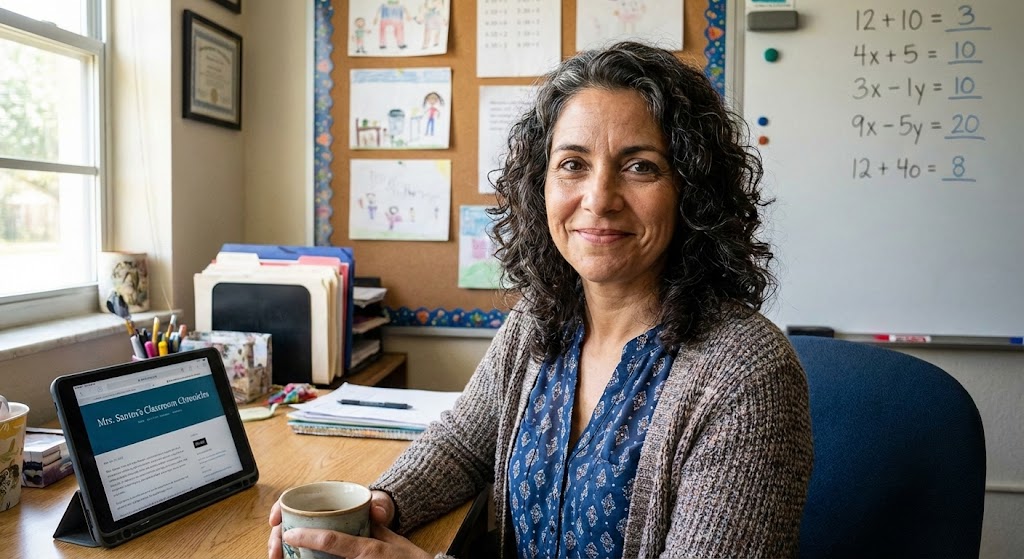
Maria Santos
Maria has been teaching 4th grade in Tampa, Florida for 22 years. Known as "the math whisperer" among her colleagues, she writes about the real challenges and victories of teaching in Florida's public schools.
When she's not grading papers or creating lesson plans, you can find Maria at her local teacher supply store (with coupons in hand) or sharing teaching tips over cafecito with her teacher friends.
View Full Profile →Related Articles
Hurricane Days Are Coming: What Every Florida Teacher Needs to Do Before and After the Storm
Florida teacher tip: I still think about Hurricane Irma. It was 2017, and I had just finished settin...
Dear First-Year Florida Teacher, Nobody Warned You About This
Florida teacher tip: I remember standing in my classroom in late August, sweating through my cardiga...
Ready to Improve Your FAST Scores?
Upload your class data and get personalized IXL success plans in seconds.
Try It Free