When Your FAST Scores Come Back and You Think "Now What?"
Last week I got my mid-year FAST scores back, and honestly? My first reaction was to shove them in my desk drawer and pretend they didn't exist. Anyone else feel me on this?
There's something about seeing all those numbers that makes my brain want to shut down. But then I remembered little Sofia, who's been struggling with fractions all year, and Marcus (not my son, my student Marcus), who still counts on his fingers for basic addition. These kids need me to figure this data stuff out.
So I made myself a cafecito, sat down with those scores, and reminded myself of something I learned the hard way: data isn't the enemy. It's just information. And information, when we know what to do with it, can change everything for our students.
Stop Looking at the Big Picture (At Least at First)
Here's mistake number one that I made for years: trying to analyze my whole class at once. Ay, dios mio, talk about overwhelming.
Instead, I start with one student. Just one. I look at their score, think about what I know about them as a learner, and ask myself: "What's one thing I can do differently for this kid?"
Last year, when I looked at Jasmine's data this way, I realized she was bombing the word problems not because she couldn't do the math, but because she was getting stuck on the reading. That changed everything about how I supported her.
Turn Numbers into Real Skills
The thing about FAST scores is they tell you where kids are, but they don't always tell you exactly what to do next. That's where we have to dig a little deeper.
I've started using this tool called FastIXL that matches my FAST scores to specific IXL skills. It saves me from having to guess which practice activities will actually help each kid. My colleague Yolanda showed it to me, and honestly, it's been a game changer for making sense of all these numbers.
But even without fancy tools, you can do this. Look at the domains where each student struggled. Was it operations? Fractions? Measurement? Then think about the specific skills within those domains that might need work.
Create Your "Priority Kids" List
This sounds terrible, pero hear me out. I'm not saying some kids matter more than others. I'm saying that with limited time and energy, we need to be strategic.
I make a list of five students who I think I can move the most with focused intervention. These are usually kids who are right on the edge, the ones who might jump a whole level with the right support.
This doesn't mean I ignore everyone else. It means I'm intentional about where I put my extra energy.
Make Data Walls That Actually Help
Forget those fancy data walls that look pretty but don't change instruction. I'm talking about something simple that helps you make daily decisions.
I keep a clipboard with my priority kids' names and their biggest math need written right next to it. "Sofia - equivalent fractions." "Marcus - math facts to 10." "David - word problem strategies."
When I have three extra minutes, I know exactly who needs what. When I'm planning small groups, I know who goes where. When a kid finishes early, I know what kind of practice they need.
Use the "One Thing" Rule
Here's what I wish someone had told me 22 years ago: you can't fix everything at once. Pick one skill per student and focus on that until you see growth.
I used to look at a kid's data and think, "Oh no, they're behind in everything!" Then I'd try to address every gap and end up helping no one.
Now? One thing. Sofia needs equivalent fractions. That's her focus until she gets it. Then we move to the next thing.
Don't Wait for Perfect Conditions
I spent years thinking I needed special programs, extra time, or administrative support to use data effectively. Spoiler alert: I'm still waiting for perfect conditions, but my kids can't wait.
Start small. Pick three students. Identify one skill each. Find ten minutes twice a week to work with them. That's it. That's how you start.
Carlos always asks me why I make things so complicated, and honestly? He's not wrong. We teachers love to overcomplicate things. But data doesn't have to be complicated.
Make It About Tomorrow, Not Yesterday
The biggest mindset shift I've made is this: data isn't about judging what happened before. It's about planning what happens next.
When I see that Sofia scored low on fractions, I don't think, "She should have learned this already" or "I should have taught this better." I think, "Okay, fractions it is. What's my plan?"
This shift changes everything. Instead of feeling guilty or overwhelmed, I feel purposeful.
Track the Small Wins
Here's something they don't tell you about data: the official assessments only capture growth a few times a year. But learning happens every day.
I keep simple notes about my priority kids. "Sofia explained equivalent fractions to her partner today." "Marcus solved 7+5 without counting." These small wins keep me going and help me see that the work is paying off.
Remember Why We Do This
When I'm drowning in spreadsheets and feeling like I need a degree in statistics just to help my kids with math, I remind myself why this matters.
It's not about the numbers. It's about Sofia finally understanding that 1/2 and 2/4 are the same thing. It's about Marcus gaining confidence in math for the first time. It's about using information to help kids who might otherwise slip through the cracks.
Your Turn
So here's my challenge for you: don't let those FAST scores sit in your desk drawer. Pick one student. Look at their data. Choose one skill to focus on. Make a plan for this week.
It doesn't have to be perfect. It just has to be something.
Because here's what I know after 22 years: our kids don't need us to be data analysis experts. They need us to care enough to look at the information and do something with it.
And that? That we can absolutely do.
What's your biggest challenge with mid-year data? Drop me a comment. We're all figuring this out together, and I'd love to hear what's working (or not working) for you.
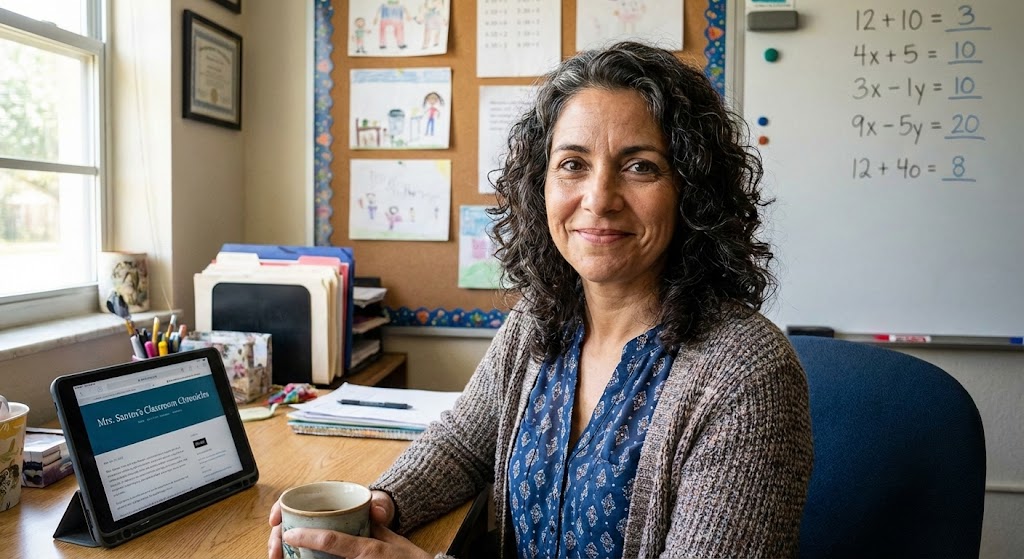
Maria Santos
Maria has been teaching 4th grade in Tampa, Florida for 22 years. Known as "the math whisperer" among her colleagues, she writes about the real challenges and victories of teaching in Florida's public schools.
When she's not grading papers or creating lesson plans, you can find Maria at her local teacher supply store (with coupons in hand) or sharing teaching tips over cafecito with her teacher friends.
View Full Profile →Related Articles
When Mid-Year Data Makes You Want to Hide Under Your Desk (But You Don't Have To)
Math teaching strategy: Last Tuesday, I got my mid-year FAST data back and my first thought was, "Ay...
Making Mid-Year Data Work for You (Instead of Against You)
Math teaching strategy: Last Tuesday, I walked into the copy room and found Jessica practically hype...
Ready to Improve Your FAST Scores?
Upload your class data and get personalized IXL success plans in seconds.
Try It Free