Fall Assessments: What the Data Really Tells Us (And What It Doesn't)
Last week, I got my fall FAST scores back and immediately did what we all do. I stared at the spreadsheet for about ten minutes, took a deep breath, and muttered "Ay, dios mío" under my breath.
Twenty-two years in, and I still get that little knot in my stomach when the data comes in. But here's what I've learned: those numbers are just the beginning of the story, not the whole book.
The Good, The Bad, and The "Wait, What?"
Let me tell you about Miguel (not his real name). His fall FAST score had me worried. The kid who was solving multi-step word problems in class like a champ was showing up as "needs intensive intervention" on paper.
Then there's Sofia, whose score looked fantastic but who still freezes up every time I put a fraction in front of her.
Sound familiar? That's because we all have students like this. The data gives us a snapshot, pero it's just one piece of the puzzle.
What Fall Assessments Actually Tell Us
Here's the thing about fall data that nobody talks about enough: it's measuring where kids are after a summer of... well, summer. Some of our babies spent July and August at the library. Others spent it surviving.
At my Title I school, I see both extremes. Some kids come back sharper than when they left. Others need a few weeks just to remember what a classroom feels like again.
The fall assessment shows us: - Which skills took the biggest hit over the summer - Where we need to start, not where kids will end up - Patterns across our class that might inform our instruction
It doesn't show us: - A child's potential - How much growth they're capable of - What they can do on their best day
Making Sense of the Numbers
I used to drive myself crazy trying to analyze every data point. Now I have a system that actually works.
First, I look for the surprises. Which kids scored way higher or lower than I expected? Those are the ones that need my immediate attention.
Then I group my students into three categories (and not the ones the district wants): - Kids who are ready to run with grade-level content - Kids who need some scaffolding but can get there - Kids who need intensive, targeted support
This year, my colleague Yolanda showed me this tool called FastIXL that matches FAST scores to specific IXL skills. It's been saving me hours of trying to figure out exactly which foundational skills each kid needs to work on.
Beyond the Spreadsheet
Here's what I wish someone had told me in year one: the most important assessment happens in the first five minutes of every math lesson.
Watch their faces when you introduce a new concept. Listen to their questions. Pay attention to who's asking for help and who's suffering in silence.
Last month, I noticed that three of my highest-scoring students kept making the same computational errors. The FAST data said they were fine, but my daily observations said otherwise. Guess which one I trusted?
The Real Talk About Data Meetings
We've all sat through those data meetings where administrators want us to explain every single score. I get it. They need to show growth. We need to show progress.
But can we be honest for a minute? Sometimes a kid has a bad testing day. Sometimes they're worried about what's happening at home. Sometimes the air conditioning is broken and it's 87 degrees in the classroom (hello, Florida life).
When you're in those meetings, remember that you know your students better than any spreadsheet ever will. Use the data to support what you're already seeing, not to define what you think about each child.
What I Do With Fall Data (The Practical Stuff)
Here's my actual process, no fluff:
Week 1: I read through the scores but don't make any major decisions yet. I'm still getting to know my new kids.
Week 2: I start small group rotations based on what I'm seeing in class, not just what the data says.
Week 3: I look at the assessment data alongside my classroom observations and start forming my intervention groups.
Week 4: I have one-on-one conversations with my biggest surprises (both high and low) to understand what happened on test day.
The key is not rushing to judgment. These kids aren't their scores, and their scores aren't their destiny.
When the Data Feels Overwhelming
Some years, the fall data is brutal. I remember 2019 when I looked at my class scores and wondered if I'd forgotten how to teach over the summer.
Spoiler alert: I hadn't. And neither have you.
Here's what helps me when the numbers feel crushing: - I remind myself that this is where we start, not where we finish - I focus on one small group at a time instead of trying to fix everything at once - I celebrate the kids who showed growth, even if they're not "proficient" yet
Looking Forward, Not Backward
The beautiful thing about fall assessments is that they're not the end of the story. They're Chapter 1.
I keep those fall scores in my data folder, and by February, I love pulling them out to show kids how far they've come. Miguel, the one I mentioned earlier? By winter, he was exceeding expectations. Sofia learned to love fractions (okay, maybe "love" is strong, but she stopped running away from them).
Your kids will surprise you too. They always do.
The Bottom Line
Fall assessment data is a tool, not a verdict. Use it to guide your instruction, but don't let it limit your expectations.
Trust what you see in your classroom every day. Trust your professional judgment. And trust that your kids are capable of more growth than any test can predict.
We've got this, teachers. We always do.
What patterns are you seeing in your fall data this year? I'd love to hear how you're making sense of those numbers and turning them into action plans for your kids.
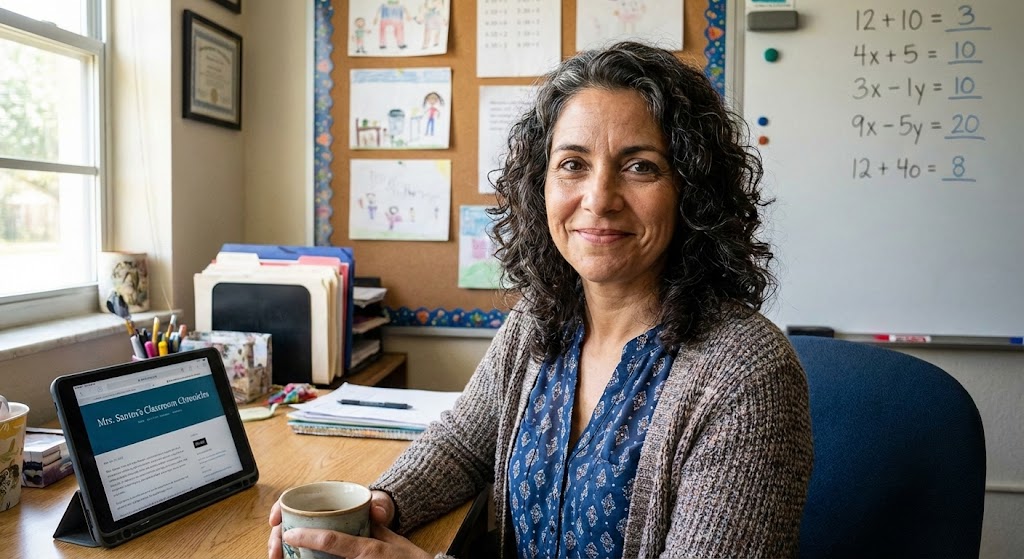
Maria Santos
Maria has been teaching 4th grade in Tampa, Florida for 22 years. Known as "the math whisperer" among her colleagues, she writes about the real challenges and victories of teaching in Florida's public schools.
When she's not grading papers or creating lesson plans, you can find Maria at her local teacher supply store (with coupons in hand) or sharing teaching tips over cafecito with her teacher friends.
View Full Profile →Related Articles
What I Tell Parents Before Testing Week
FAST test prep tip: Last Tuesday, little Sofia came to school with dark circles under her eyes. When...
The Parent Meeting That Changed How I Talk About Testing Week
FAST test prep tip: Last Tuesday, I had a parent practically in tears during our conference. "Mrs. S...
Ready to Improve Your FAST Scores?
Upload your class data and get personalized IXL success plans in seconds.
Try It Free