Florida Teacher Certification: What Nobody Tells You Before You Start
Let me tell you about the summer I almost didn't make it into my own classroom.
It was 1999, I had just graduated from FIU, and I was so confident. I had my degree, I had my student teaching behind me, I had a job offer from a school in Tampa. What I did not have was a clear understanding of how Florida teacher certification actually worked. I missed a deadline. I submitted the wrong fingerprinting form. I spent three weeks in August in a complete panic, calling the Bureau of Educator Certification so many times that I'm pretty sure they had a nickname for me.
I made it. Obviously. But ay, it did not have to be that hard.
So if you're new to Florida, or you're helping a colleague navigate this process, or you're a career changer who thought teaching would be simpler to enter than your previous field, this post is for you. Let's walk through the real story.
First Things First: There Are Two Very Different Paths
This is where people get confused right away, and I don't blame them.
Florida has two main certification types: the Temporary Certificate and the Professional Certificate. They are not the same thing, and you cannot skip the first one to get straight to the second one. Think of the Temporary Certificate as your "you can be in a classroom but you're not done yet" credential.
The Temporary Certificate is valid for five years and it is not renewable. That five-year clock is serious, mija. I have watched colleagues lose their jobs because they let that clock run out without completing their requirements.
What You Need to Get Your Temporary Certificate
Here is the basic checklist. I'm going to keep this simple because the Florida Department of Education website can make it feel more complicated than it is.
1. A bachelor's degree from an accredited institution. This one you probably already have.
2. Passing scores on the Florida Teacher Certification Examinations (FTCE). You need the General Knowledge Test and the Subject Area Examination for whatever you're going to teach. There is also the Professional Education Test, but you can sometimes complete that one after you start teaching.
3. A background check and fingerprinting. Do not skip this or delay it. The fingerprinting has to go through the Florida Department of Law Enforcement and the FBI. It takes time. Start it early.
4. The application itself, submitted through the Bureau of Educator Certification. There is a fee. As of when I'm writing this it's around $75, but check the current amount because these things change.
One thing I wish someone had told me: your school district can sometimes help you navigate this process. Some districts have a certification office specifically to help new hires. Ask your HR department on day one if this resource exists.
The FTCE: Let's Be Honest About This
The Florida Teacher Certification Examinations are not impossible, but they are not a formality either.
The General Knowledge Test covers English language skills, reading, math, and an essay. The math section trips up a lot of people who haven't done that kind of math since high school. I'm not saying this to scare you. I'm saying it because I have seen talented, smart people fail this test the first time because they underestimated the math portion.
Study for it. Use the free study guides on the FTCE website. Give yourself at least six to eight weeks of real preparation time.
The Subject Area Examination is specific to what you teach. Elementary Education (K-6) has its own exam. Secondary content areas have their own exams. If you're coming from another state and you already have a degree and experience in your subject, you might find this one more manageable. But still study.
You can retake these exams if you don't pass. There is a waiting period and another fee, but it is not the end of your career if you need a second attempt. I know teachers who passed on their third try and went on to be absolutely brilliant in the classroom.
Moving From Temporary to Professional Certification
This is where that five-year clock matters.
To move from your Temporary Certificate to your Professional Certificate, you need to complete a few more requirements while you're actually teaching.
You need to complete an approved educator preparation program, or demonstrate that you meet the requirements through an alternative pathway. If you went through a traditional university program, you may already have this covered.
You need to pass the remaining FTCE tests if you haven't already.
You need to complete the Florida Educator Accomplished Practices (FEAPs) requirements. This is tied to your annual evaluations. Your principal and your district are part of this process.
You need to complete a Professional Education Competencies course if it wasn't part of your preparation program.
I know this sounds like a lot of moving pieces. It is. Keep a folder, physical or digital, where you save every single certificate of completion, every transcript, every test score. Do not assume your district is tracking this for you. Some do. Some do not.
Out-of-State Teachers: A Few Extra Notes for You
If you are moving to Florida from another state, welcome. Also, prepare yourself, because Florida does not automatically accept other states' certifications.
Florida participates in the National Association of State Directors of Teacher Education and Certification (NASDTEC) Interstate Agreement, which means there is a pathway for out-of-state teachers. But you will still need to meet Florida's specific requirements, which may include taking the FTCE exams depending on your situation.
The good news is that if you have three or more years of successful teaching experience in another state, you may qualify for a faster pathway to your Professional Certificate. The Bureau of Educator Certification website has a specific section for out-of-state applicants. Read it carefully and, if anything is unclear, call them. Yes, actually call them. Their phone representatives are generally helpful.
The Renewal Process (Because This Doesn't End)
Once you have your Professional Certificate, you will need to renew it every five years.
Renewal requires 120 points of professional development. Your district's professional development activities count toward this. Certain graduate coursework counts. National Board Certification counts for a lot. The Florida Master Teacher designation also has implications for renewal.
Track your renewal points as you go. Do not wait until year four to figure out where you stand. I made that mistake once and spent a very stressful spring completing online courses while also managing FAST testing season. Carlos still brings it up.
One More Thing Nobody Mentions
The certification process can feel dehumanizing sometimes. You're submitting forms and waiting and checking portals and it can feel very far removed from the reason you wanted to teach in the first place.
That feeling is normal. It does not mean you made the wrong choice.
I think about my students, kids like little Marcus (not my son, a student I had three years ago who came in reading two grade levels behind and left my class reading on grade level). That kid did not care about my certificate number. He just needed a teacher who showed up ready to work.
The paperwork is the price of admission. The classroom is where the real work happens.
Your Action Step for Today
Go to the Florida Department of Education's Bureau of Educator Certification website right now and look up your current certification status. If you're brand new, bookmark the site and start a certification folder today.
If you're a veteran teacher helping a new colleague, send them this post. We take care of each other in this profession, pero we have to actually do the taking care part.
You've got this. The paperwork is temporary. The impact you have on your students is not.
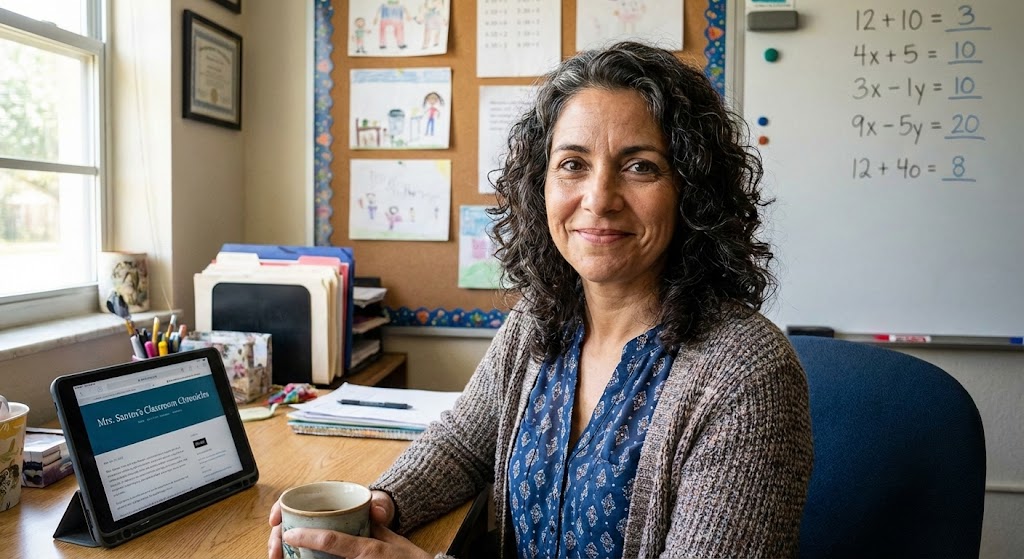
Maria Santos
Maria has been teaching 4th grade in Tampa, Florida for 22 years. Known as "the math whisperer" among her colleagues, she writes about the real challenges and victories of teaching in Florida's public schools.
When she's not grading papers or creating lesson plans, you can find Maria at her local teacher supply store (with coupons in hand) or sharing teaching tips over cafecito with her teacher friends.
View Full Profile →Related Articles
Hurricane Days Are Coming: What Every Florida Teacher Needs to Do Before and After the Storm
Florida teacher tip: I still think about Hurricane Irma. It was 2017, and I had just finished settin...
Dear First-Year Florida Teacher, Nobody Warned You About This
Florida teacher tip: I remember standing in my classroom in late August, sweating through my cardiga...
Ready to Improve Your FAST Scores?
Upload your class data and get personalized IXL success plans in seconds.
Try It Free