How I Actually Recover After Testing Season (And Help My Kids Do the Same)
Last April, about three days after our final round of FAST testing wrapped up, I found myself sitting at my desk staring at a blank lesson plan document. Not because I didn't know what to teach. After 22 years, I always know what to teach. I was staring at it because I genuinely could not make myself care about anything school-related for about 20 minutes.
I just sat there. Drinking cold coffee. Listening to my students quietly color.
If you've been in a Florida classroom for more than one testing season, you know exactly what I'm talking about. That weird, hollow, "now what?" feeling that settles over your room when the testing materials get locked away and suddenly everyone, including you, has to remember how to just... be a class again.
This is my post-testing recovery plan. It took me years to figure it out, pero here it is.
First, Acknowledge That Everyone Is Depleted
I used to push straight through. Testing ends on a Friday, Monday we're back to full-speed instruction. I thought that's what good teachers did.
What actually happened is that my kids were checked out, I was running on fumes, and nobody was learning anything anyway. I was just performing productivity.
Now I give us all a grace period. Not a week of movies and free time. But a conscious, intentional slower pace for a few days. There is a difference between rest and chaos, and we can have one without the other.
Tell your students directly that testing is over and you're proud of them. Fourth graders especially need to hear that the hard thing they just did was hard, and they did it anyway. My kids light up when I say that out loud.
Do a Classroom Reset (With Your Students, Not For Them)
Here's something I learned the embarrassing way about eight years into my career. I used to spend an entire weekend after testing season deep-cleaning and reorganizing my classroom by myself. Carlos would find me on Sunday night surrounded by laminated anchor charts and ask if I'd eaten lunch.
Now I do the reset with my students on the first or second day after testing ends.
We spend about 45 minutes going through the room together. Cleaning out their desks. Reorganizing the bookshelf. Taking down old anchor charts that don't serve us anymore. Putting up new ones that match where we're headed for the last stretch of the year.
It sounds simple, but it does something important. It signals to their brains that we are in a new chapter. The testing chapter is closed. This next chapter belongs to us.
Pull Out the Projects You've Been Saving
Every teacher I know has a folder, physical or digital, full of projects and activities they wanted to do but couldn't justify during the high-stakes crunch time. The creative stuff. The hands-on stuff. The "this is genuinely fun and also educational" stuff.
Post-testing season is when that folder finally gets opened.
For me, it's usually our community helper research project and our "math in real life" week where we plan a pretend class party on a budget. My students are more engaged during these two weeks than almost any other time of year, because they can feel the difference between "we're doing this because it's on the test" and "we're doing this because learning is actually interesting."
The B.E.S.T. standards don't disappear after FAST testing. We're still teaching and reinforcing skills. But we get to do it in a way that breathes a little.
Have an Honest Conversation With Your Class
This one might make some administrators nervous, but I stand by it.
I sit my kids down and I ask them, honestly, what was hard about testing season. Not about the test content. About the experience. The stress, the weird schedule, the way the cafeteria smelled different because breakfast was served in classrooms, the substitute proctor they'd never seen before.
I let them talk. I validate what they say. And then I tell them what was hard for me too.
Not in a "your teacher is falling apart" way. In a "we are a community and we went through something together" way. Nine and ten year olds are remarkably perceptive. They already know something was stressful. Pretending it wasn't doesn't protect them. It just teaches them to ignore their own feelings.
One of my students, a little boy I'll call Tomás, told me two years ago that he had nightmares before the math portion of FAST. He'd never told anyone. He told me because I asked.
That conversation led to a whole different way I approach test prep now. But that's a post for another day.
Take Care of Yourself Too, Mija
I cannot stress this enough. We are not okay after testing season and we need to stop pretending we are.
I have a very specific post-testing ritual that has nothing to do with school. The evening after our last testing day, I do not grade a single paper. I do not answer a single parent email. I make Carlos take me to our favorite Cuban restaurant in Tampa, I order the ropa vieja, and I sit there like a human being for two hours.
The next morning I sleep until 6:30 instead of 5:15. I know, wild.
But seriously. We talk a lot about student wellness and we don't talk nearly enough about teacher wellness. You cannot pour from an empty cup, and that saying is a cliche because it is completely true. Your students need you present and regulated. That requires you to actually recover.
Even small things help. A walk around the block during your planning period. Texting a teacher friend who gets it. Leaving school by 4:30 at least twice in the week after testing ends.
Plan Something Your Class Can Look Forward To
The last thing I do in my post-testing recovery plan is give my students and myself something to anticipate.
It doesn't have to be big. A special read-aloud. A field trip if your school has the budget. A "mystery activity" Friday where you don't tell them what it is until they walk in the door.
After weeks of high-stakes pressure, everyone needs something on the horizon that feels good. Hope is a real instructional tool. I've seen it change the energy of a classroom completely.
We still have six or seven weeks of school after FAST testing wraps up. That's not nothing. That's actually a lot of time to do meaningful, joyful, rigorous work with your students, if you give everyone a chance to catch their breath first.
You Made It Through Another One
Ay, testing season in Florida is no joke. Between the scheduling gymnastics, the parent anxiety, the kids who cry and the kids who shut down completely, and the sheer administrative weight of it all, getting to the other side is a genuine accomplishment.
You showed up every single day. You kept your classroom steady when everything around it was a little chaotic. You advocated for your students and you did your job with care.
Take a breath. Reset the room. Open that project folder.
We've got this last stretch. And honestly? It's some of my favorite teaching of the whole year.
Drop a comment below and tell me one thing you do to recover after testing season. I'm always looking for new ideas, and honestly, I just like knowing we're all in this together.
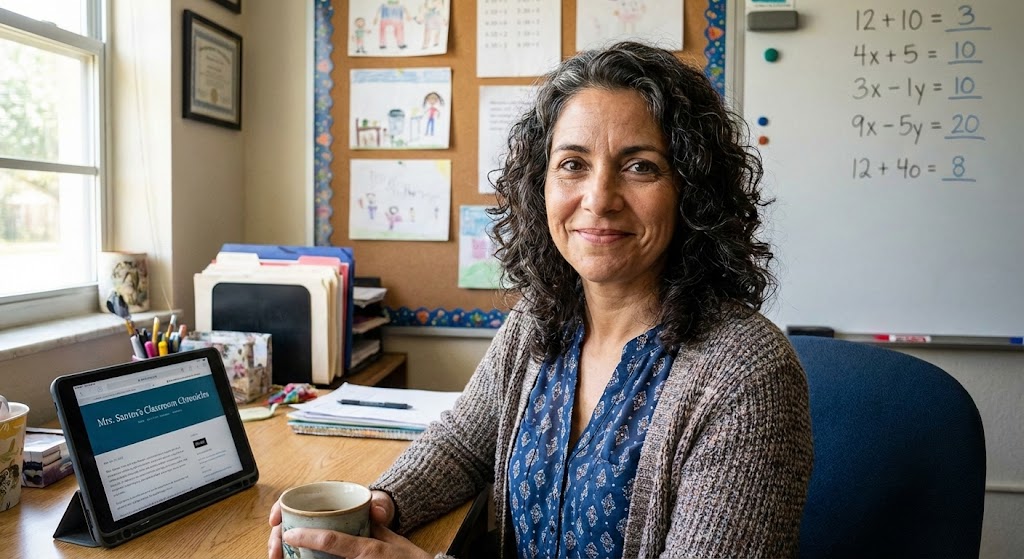
Maria Santos
Maria has been teaching 4th grade in Tampa, Florida for 22 years. Known as "the math whisperer" among her colleagues, she writes about the real challenges and victories of teaching in Florida's public schools.
When she's not grading papers or creating lesson plans, you can find Maria at her local teacher supply store (with coupons in hand) or sharing teaching tips over cafecito with her teacher friends.
View Full Profile →Related Articles
How I Help My Students (and Myself) Bounce Back After FAST Testing
FAST test prep tip: Last week, I watched little Sofia slump into her seat after our final FAST sessi...
When Your Stress is Showing (And Your Kids Are Feeling It Too)
FAST test prep tip: Last Tuesday, little Sofia looked up at me during our morning routine and said, ...
Ready to Improve Your FAST Scores?
Upload your class data and get personalized IXL success plans in seconds.
Try It Free