My Post-Testing Recovery Plan (Because We All Need One)
Last week, little Sofia walked into my classroom looking like she'd been through a hurricane. Her hair was a mess, she had dark circles under her eyes, and she slumped into her seat like the weight of the world was on her shoulders.
"Señora Santos," she whispered, "I think I failed everything."
Ay, my heart. This is what testing season does to our babies, and honestly, to us too.
If you're reading this in your car during lunch break (been there), still wearing the same shirt from Tuesday (also been there), and wondering how to pick up the pieces after FAST testing, you're not alone. We've all survived another round, pero now what?
The Post-Testing Hangover is Real
Let's be honest about something. Testing season doesn't just exhaust our students. It drains us completely.
For the past month, we've been data trackers, anxiety managers, bathroom escorts, and cheerleaders all rolled into one. We've given pep talks, handed out mints, and probably lost sleep worrying about kids like Sofia who think one test defines their entire worth.
My husband Carlos asked me last night why I looked so tired. "The test is over," he said. "Shouldn't you be happy?" Bless his heart, but he just doesn't get it.
The test being over is just the beginning of the real work.
Step One: Emotional Recovery (Theirs and Ours)
The first thing I do post-testing is acknowledge what we've all been through. No jumping straight back into fractions and persuasive essays. We need to decompress.
I start with a class meeting. We sit in our circle, and I ask them to share one word that describes how they feel now that testing is done. The answers always break my heart and put it back together at the same time.
"Relieved." "Scared." "Tired." "Happy." "Worried."
Then I share my word too. Usually it's "proud" because I am. Proud of how they tried, how they persevered, how they showed up every single day even when their stomachs were in knots.
We spend the rest of that first day doing something purely joyful. Sometimes it's a read-aloud of a funny book. Sometimes we do art. Last year, we had an impromptu dance party because Marcus (not my son, different Marcus) brought in his speaker and asked if we could "celebrate being alive."
Out of the mouths of babes, right?
Step Two: Getting Back to Learning (The Fun Kind)
Here's what I learned the hard way in my early years. You cannot go straight from high-stakes testing back to high-pressure academics. It's like asking someone to run a marathon right after they've already run one.
Instead, I plan what I call "soft landing" activities. These are academically rich but feel like play.
For math, we might do cooking activities where they're measuring and converting without realizing they're doing math. Last week, we made tres leches cake (okay, I made it, they measured ingredients), and they were adding fractions like champions.
For reading, I bring out the books I've been saving. The funny ones, the ones with gorgeous illustrations, the ones that make them remember why stories matter. We do book talks, not book reports. We discuss, not dissect.
Writing becomes personal again. I ask them to write letters to next year's fourth graders about how to survive FAST testing. The advice they give is pure gold, and they don't even realize they're practicing persuasive writing.
Step Three: Smart Data Analysis (Without the Panic)
When those FAST scores finally come back, I'll be ready. But I won't let them define my kids or my teaching.
I've learned to look at the data as information, not judgment. What skills do we need to revisit? Where did they shine? What patterns do I see?
My colleague Yolanda showed me this tool called FastIXL that matches FAST scores to specific IXL skills, which has been saving me hours of digging through standards. But honestly, the numbers are just the starting point.
The real assessment happens when I sit with each child and talk about their learning. What felt hard? What clicked? What do they want to get better at?
Sofia, my worried little one from the beginning of this post, told me she wants to get better at "the math with the letters" (algebra concepts). That tells me more than any score ever could.
Step Four: Rebuilding Confidence
This might be the most important step, and it's where we have the most power.
Our kids have spent weeks being measured and evaluated. Now they need to remember that they are learners, not test scores. They need to feel successful again.
I create opportunities for every child to shine. Maybe it's letting Jayden, who struggles with reading, teach the class about soccer statistics. Maybe it's asking Aisha to help other kids with their writing because she has such a beautiful way with words.
I also make sure to celebrate growth, not just achievement. The child who went from panicking during timed tests to staying calm? That's huge. The one who asked for help instead of shutting down? Victory.
Step Five: Planning Ahead (But Not Too Far)
As much as I want to pretend testing season will never come again, it will. So I start planting seeds now for next year's success.
But here's the key: I don't let test prep take over my classroom again. Instead, I focus on building strong readers, confident mathematicians, and thoughtful writers. I know that if I do that well, the test scores will follow.
I also start a list of what worked this year and what didn't. Which test prep strategies actually helped? Which ones just stressed everyone out? What would I do differently?
We're More Than Test Scores
Here's what I want you to remember as you navigate these post-testing weeks: you are an incredible teacher. Your worth isn't measured by data points any more than your students' worth is.
You've spent this year building relationships, nurturing growth, and changing lives in ways that no test can measure. Sofia might think she failed everything, but I know she learned to persevere. Marcus discovered he loves poetry. Jayden finally understands long division.
Those victories matter more than any score ever will.
So take a deep breath, give yourself some grace, and remember why you became a teacher in the first place. It wasn't for the data. It was for the kids.
And they need you now more than ever.
How are you helping your students recover from testing season? I'd love to hear your strategies in the comments below. We're all in this together, and sharing what works makes us all stronger.
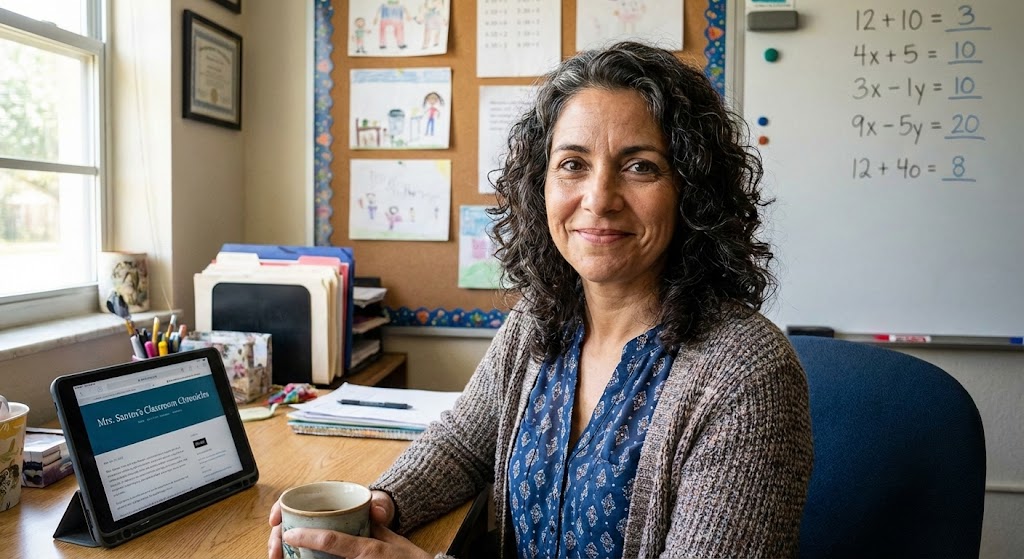
Maria Santos
Maria has been teaching 4th grade in Tampa, Florida for 22 years. Known as "the math whisperer" among her colleagues, she writes about the real challenges and victories of teaching in Florida's public schools.
When she's not grading papers or creating lesson plans, you can find Maria at her local teacher supply store (with coupons in hand) or sharing teaching tips over cafecito with her teacher friends.
View Full Profile →Related Articles
How I Actually Recover After Testing Season (And Help My Kids Do the Same)
FAST test prep tip: Last April, about three days after our final round of FAST testing wrapped up, I...
How I Help My Students (and Myself) Bounce Back After FAST Testing
FAST test prep tip: Last week, I watched little Sofia slump into her seat after our final FAST sessi...
Ready to Improve Your FAST Scores?
Upload your class data and get personalized IXL success plans in seconds.
Try It Free