My Post-Testing Recovery Plan: How I Help My Kids (and Myself) Bounce Back After FAST
Last week, little Sofia came up to me during morning work and whispered, "Ms. Santos, are we going to take another test today?" The worry in her voice broke my heart. This sweet nine-year-old had been carrying test anxiety for weeks, and even though FAST was behind us, she was still bracing for the next assessment.
That's when I knew we needed more than just a pizza party to recover from testing season.
After 22 years in the classroom, I've learned that the weeks following FAST testing are just as important as the weeks leading up to it. Our kids need time to remember why learning is joyful. Honestly, so do we.
The Emotional Hangover is Real
Let's be honest about what testing season does to our classrooms. For months, we've been drilling, practicing, and preparing. Our bulletin boards have been covered with test-taking strategies instead of student artwork. Our morning meetings have focused on bubble sheets instead of building community.
By the time those last test booklets are collected, we're all emotionally drained. I used to think I could just jump right back into regular instruction, pero I was wrong. My kids needed time to decompress, and frankly, so did I.
The first year I really paid attention to this was about five years ago. I noticed that even my most enthusiastic learners seemed flat after testing. Marcus (not my son, but one of my students that year) who usually bounced into class ready for math, was suddenly withdrawn. When I asked him what was wrong, he said, "I don't think I'm smart anymore."
Ay, dios mio. That hit me like a ton of bricks.
Week One: Breathing Room
The first week after testing, I give everyone permission to exhale. This doesn't mean we stop learning, but we definitely shift gears.
I start with a classroom meeting where we talk about how everyone is feeling. We use feeling words, and I model by sharing my own emotions. "I'm feeling relieved that testing is over, but also a little tired from all that preparation."
Then we do something I call "reclaiming our space." Together, we take down all the testing posters and put up student work again. We rearrange desks back into collaborative groups. We bring back the cozy reading corner that got packed away to make room for testing materials.
The kids always perk up during this process. It's like watching flowers turn toward the sun.
For academics, I focus on hands-on activities that don't feel like test prep. We do science experiments, art projects that connect to our social studies units, and lots of choice reading. I pull out games that reinforce skills but feel like play.
Week Two: Rebuilding Confidence
This is when I start addressing the confidence issues that testing season inevitably creates. Some kids are convinced they failed (even though they probably did fine), while others are worried about what comes next.
I do individual conferences with each student. Not about test scores, but about their growth as learners. I pull out work samples from the beginning of the year and compare them to recent work. "Look how much your writing has improved, mija. Look at these math strategies you can use now that you couldn't in September."
We also start new projects that let kids showcase their strengths. Maybe it's a research project where they can choose their own topic, or a math investigation that has multiple solution paths. The goal is to remind them that they are capable, creative thinkers.
I learned this the hard way during my early years. I used to rush right back into test prep for the next grade level (yes, I was that teacher). My principal at the time, Mrs. Rodriguez, pulled me aside and said, "Maria, you're going to burn them out before they even get to fifth grade." She was absolutely right.
Week Three: Looking Forward
By the third week, we're ready to start thinking about the rest of the school year. But instead of just plowing through the remaining standards, I involve the kids in planning.
We make lists of things we want to learn about, books we want to read, and projects we want to tackle. I'm always amazed by their ideas. Last year, Jasmine suggested we study hurricanes because she wanted to understand why her family had to evacuate during Ian. That led to an incredible unit on weather patterns and emergency preparedness.
This is also when I start introducing concepts for next year, but in low-pressure ways. If we're going to fourth grade, maybe we explore some fraction concepts through cooking activities. If they're headed to middle school, we might do some basic algebra through pattern investigations.
The key is making it feel like a sneak peek at exciting things to come, not another set of standards to master.
Taking Care of Ourselves Too
Here's something I wish someone had told me earlier in my career: we teachers need recovery time too. Carlos always jokes that I'm more stressed after testing than the kids are, and he's not wrong.
I've started building in some self-care during these post-testing weeks. I leave school on time (well, mostly). I say no to extra committees. I order takeout instead of cooking elaborate dinners. I remind myself that I've just guided 24 little humans through a major milestone, and that's exhausting work.
I also connect with my teacher friends. We vent, we celebrate, and we remind each other that we're more than test scores. Last week, my colleague Carmen and I took our classes outside for a joint science lesson about plant life cycles. It was chaotic and wonderful, and it reminded us both why we love this job.
The Long Game
The truth is, these post-testing weeks set the tone for how our students will remember fourth grade. Do we want them to remember the year they took FAST, or the year they discovered they love poetry, or figured out long division, or read their first chapter book series?
I know which memories I want to help create.
So take your time, fellow teachers. Let your kids breathe. Let yourself breathe. The standards will still be there next week, but this moment to rebuild joy in learning? That's precious, and it's fleeting.
Your students need to remember that they are more than their test scores. But first, we need to remember that about ourselves.
How are you helping your kids recover from testing season? I'd love to hear what's working in your classroom.
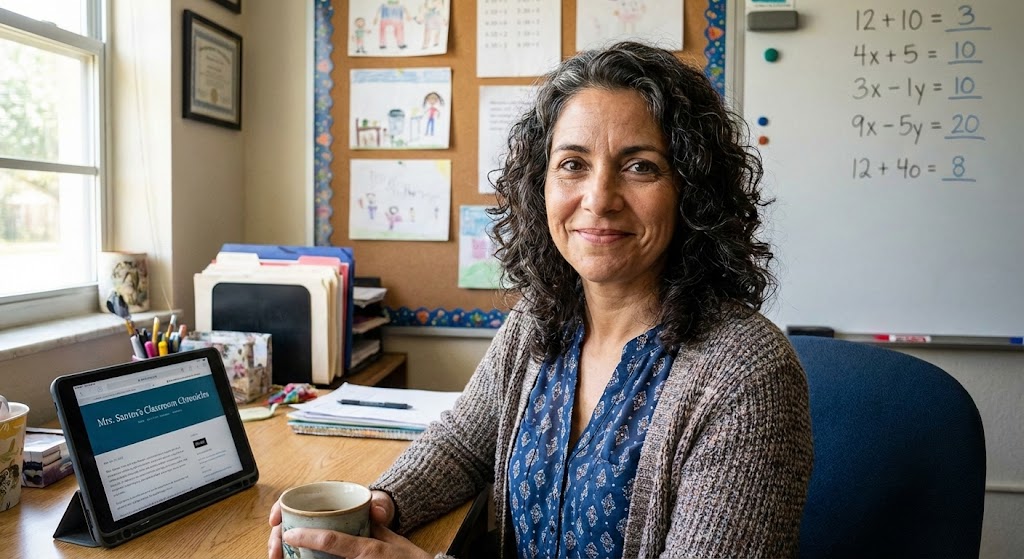
Maria Santos
Maria has been teaching 4th grade in Tampa, Florida for 22 years. Known as "the math whisperer" among her colleagues, she writes about the real challenges and victories of teaching in Florida's public schools.
When she's not grading papers or creating lesson plans, you can find Maria at her local teacher supply store (with coupons in hand) or sharing teaching tips over cafecito with her teacher friends.
View Full Profile →Related Articles
How I Actually Recover After Testing Season (And Help My Kids Do the Same)
FAST test prep tip: Last April, about three days after our final round of FAST testing wrapped up, I...
How I Help My Students (and Myself) Bounce Back After FAST Testing
FAST test prep tip: Last week, I watched little Sofia slump into her seat after our final FAST sessi...
Ready to Improve Your FAST Scores?
Upload your class data and get personalized IXL success plans in seconds.
Try It Free