My Post-Testing Recovery Plan: How to Get Our Kids (and Ourselves) Back on Track
Last Tuesday, I watched Sophia stare at her math worksheet for ten minutes without writing a single number. This is the same kid who was solving multi-step word problems just fine in February. But here we are, two weeks post-FAST testing, and she's completely shut down.
Sound familiar?
Every year, I tell myself I'm going to be better prepared for the post-testing crash. And every year, it hits me like a Tampa thunderstorm in July. Sudden, intense, and leaving everyone feeling a little soggy.
After 22 years of this cycle, I've finally developed a recovery plan that actually works. Not just for my students, but for me too.
The Post-Testing Reality Check
Let's be honest about what testing season does to us. We spend weeks drilling, reviewing, and psyching our kids up. We lose sleep over data points and worry about students we know are going to struggle. We plaster on encouraging smiles while our stomachs churn.
Then it's over. And we expect everyone to just bounce back to normal learning mode.
Pero, that's not how trauma works. And yes, I'm calling it trauma because that's what it feels like for many of our kids.
Marcus came home from his own testing last month and said, "Mom, why does it feel like my brain stopped working?" Out of the mouths of babes, right?
Week One: Breathe and Reset
The first week after testing, I throw my lesson plans out the window. Well, not literally (Carlos would have words about the mess), but you know what I mean.
Instead, we focus on joy. Pure, simple, learning joy.
I pull out picture books. Yes, for fourth graders. "The Day the Crayons Quit" never fails to get them laughing again. We do science experiments with materials from the dollar store. We write silly stories about our pets or dream vacations.
The key is low stakes, high engagement. No grades, no data collection, no pressure.
I also use this week to observe. Really observe. Who's still carrying testing anxiety in their shoulders? Which kids seem to have forgotten they're actually smart? Who needs extra reassurance that they're more than a test score?
Week Two: Gentle Re-entry
By week two, I start weaving academics back in, but sneakily.
We play math games instead of doing worksheets. I use read-alouds to discuss character motivations (hello, reading comprehension skills). We do gallery walks where kids share their thinking instead of sitting for formal assessments.
This is when I start addressing the skill gaps that testing season created. Because let's face it, when you spend three weeks reviewing test strategies, you're not moving forward with new content.
I keep a running list of concepts that got pushed aside in March. Fractions always suffer in my classroom. By April, half my kids have convinced themselves they "can't do fractions" because we rushed through review mode.
So I reintroduce fractions through cooking. We make trail mix and talk about parts of a whole. We double recipes and work with equivalent fractions. Suddenly, fractions aren't scary test monsters anymore. They're just math.
Week Three: Building Confidence Back Up
This is the crucial week. The week where I have to convince my students (and myself) that we're all still capable learners.
I start with success experiences. I give them problems I know they can solve. I celebrate effort over accuracy. I tell stories about famous people who failed tests but succeeded in life.
I also have individual conferences with each student. Five minutes, just us, talking about their strengths and goals. Not their test scores. Their actual learning.
"Jayden, remember when you explained that multiplication strategy to the whole class? That was brilliant mathematical thinking."
"Isabella, your writing voice has grown so much stronger this year. I can hear your personality in every sentence."
These conversations matter more than any data meeting I'll sit through.
Rebuilding My Own Confidence
Here's what I learned the hard way: I can't pour from an empty cup.
The first few years, I focused so much on helping my students recover that I ignored my own testing trauma. I pushed through the exhaustion, the self-doubt, the way my confidence got shaken when my kids didn't perform the way I hoped.
Now I have a recovery plan for me too.
I take a weekend to do something completely unrelated to school. I read a trashy novel. I binge-watch cooking shows. I go to the beach and remember that there's a world beyond test scores.
I also reach out to my teacher friends. We vent, we laugh, we remind each other why we got into this profession. Usually over margaritas, because we're human.
The Long Game Strategy
By week four, we're usually back in our groove. But I've learned not to just jump back into the regular curriculum like nothing happened.
Instead, I adjust my expectations for the rest of the year. We're not going to cover every single standard with the same depth we might have in a non-testing year. And that's okay.
I focus on the standards that matter most for next year. I prioritize the skills my students will actually need. I let go of the perfectionist teacher voice that says we have to do everything.
What This Looks Like in Practice
Monday mornings in April, I start with a class meeting. We talk about how we're feeling, what we need, what's working. Some weeks, they tell me they need more brain breaks. Other weeks, they're ready for a challenge.
I keep my emergency joy box stocked: art supplies, brain teasers, joke books, stress balls. When I see that glazed-over look creeping back in, I pivot.
I also communicate with parents about what's happening. I send home a note explaining that their child might seem tired or unmotivated, and that it's normal. I give them strategies for supporting recovery at home too.
Moving Forward Together
The truth is, post-testing recovery isn't just about getting back to where we were. It's about moving forward stronger.
My students learn that they can bounce back from hard things. They learn that their worth isn't determined by a test score. They learn that their teacher believes in them no matter what.
And I learn, once again, that teaching is about so much more than data points and standards. It's about nurturing whole human beings through difficult experiences.
This year, when Sophia finally picked up her pencil and started working on that math problem, she looked up at me and smiled. "I remember how to do this now," she said.
That's the moment that makes all the recovery work worth it. That's when I know we're going to be okay.
We always are.
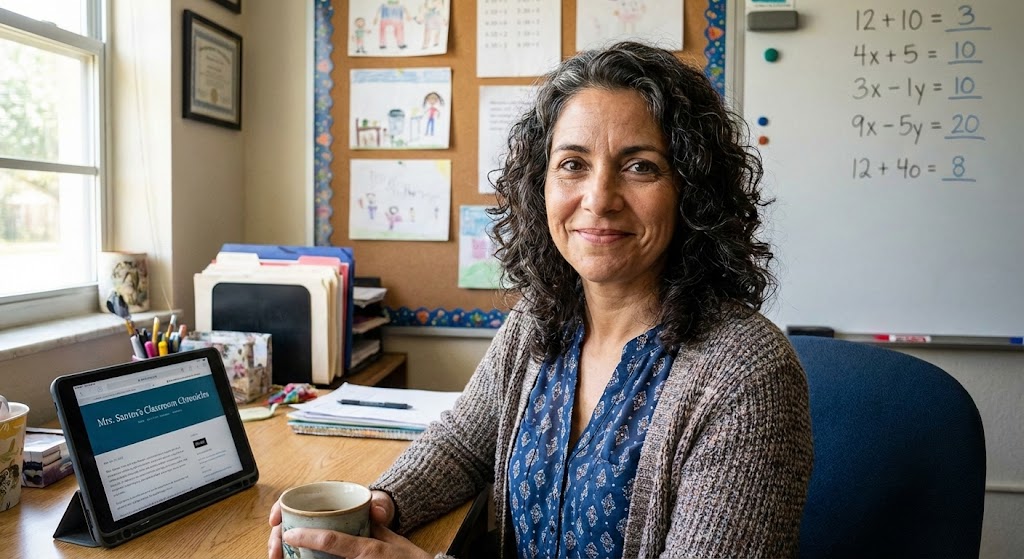
Maria Santos
Maria has been teaching 4th grade in Tampa, Florida for 22 years. Known as "the math whisperer" among her colleagues, she writes about the real challenges and victories of teaching in Florida's public schools.
When she's not grading papers or creating lesson plans, you can find Maria at her local teacher supply store (with coupons in hand) or sharing teaching tips over cafecito with her teacher friends.
View Full Profile →Related Articles
How I Actually Recover After Testing Season (And Help My Kids Do the Same)
FAST test prep tip: Last April, about three days after our final round of FAST testing wrapped up, I...
How I Help My Students (and Myself) Bounce Back After FAST Testing
FAST test prep tip: Last week, I watched little Sofia slump into her seat after our final FAST sessi...
Ready to Improve Your FAST Scores?
Upload your class data and get personalized IXL success plans in seconds.
Try It Free