Stop Dreading Parent Conferences: A Survival Guide That Actually Works
Last Tuesday, I watched a first-year teacher practically hyperventilate in the copy room. "Maria Elena," she whispered, "I have seventeen parent conferences next week and I have NO idea what I'm doing."
Ay, honey. I remember that feeling.
Twenty-two years ago, I walked into my first parent conference with a stack of papers, sweaty palms, and absolutely zero plan. I rambled about everything except what mattered. The parent left confused, I felt like a fraud, and nothing changed for little Sofia.
But here's what I've learned: parent conferences don't have to be torture sessions. They can actually be the game-changer your struggling students need.
Start With Your Why (Before You Panic)
Here's the truth nobody tells you about conferences: parents are just as nervous as you are.
Think about it. They're coming to hear about their baby from someone who spends more waking hours with their child than they do. They're worried you'll judge their parenting, their home situation, or their kid's abilities.
When I shifted my mindset from "defending my teaching" to "partnering with parents," everything changed. These aren't interrogations, mija. They're strategy sessions.
Your job isn't to impress parents with fancy education jargon. It's to help them understand their child and figure out how to support them together.
The Three-Folder System That Saves My Sanity
I learned this the hard way after my disaster conference with Marcus's mom (not my son Marcus, but a student I had years ago). I had papers scattered everywhere, couldn't find his writing sample, and spent five minutes looking for his math assessment while she sat there checking her watch.
Never again.
Now I prep three folders for every conference:
Folder 1: The Good Stuff This goes in front. Always. Start with what their child does well, even if you have to dig deep. Trust me, there's always something. Maybe Jacob struggles with reading but he's the first to help a classmate. Maybe Sophia has trouble with math but her creativity in writing is off the charts.
Folder 2: The Growth Areas Notice I didn't say "problems." These are the skills we're working on together. Include specific examples and data, but also your plan for improvement. Parents need to see you have a strategy, not just a complaint list.
Folder 3: The Action Plan This is your secret weapon. Concrete steps they can take at home, resources you'll provide, and how you'll check progress together. No parent should leave your conference wondering "now what?"
The Magic Question That Changes Everything
About ten years into my career, I discovered the question that transforms conferences from awkward small talk into real conversations:
"What do you see at home that I should know about?"
Pero listen, you have to ask this genuinely. Not like you're fishing for problems, but like you really want to understand their child better.
This is how I learned that quiet Emma was actually a chatterbox at home (she just needed more time to warm up). This is how I discovered that "lazy" Antonio was actually staying up until midnight helping his mom with his baby sister.
Parents have insights we'll never get from classroom observation alone. Use them.
Scripts for the Hard Conversations
Let's be real. Sometimes you have to deliver tough news. Here's how I've learned to do it without destroying relationships:
Instead of: "Miguel is behind in reading." Try: "Miguel is working hard on his reading skills. Here's where he is now, here's where we want him to be, and here's how we're going to get there together."
Instead of: "Sarah doesn't pay attention." Try: "I've noticed Sarah learns best when she can move around a bit. At home, you might try letting her stand while doing homework or take breaks every ten minutes."
Instead of: "He's disruptive." Try: "Carlos has a lot of energy and great ideas. We're working on helping him share those ideas at appropriate times."
See the difference? Same information, but now you're problem-solving together instead of just delivering bad news.
The Florida Reality Check
Let's talk about something nobody mentions in those conference training sessions: our unique challenges here in Florida.
Many of our families are juggling multiple jobs, language barriers, or don't have reliable transportation. That twenty-minute conference might be the only time off work they could manage.
Make it count.
If a parent can't come in person, offer a phone call during their lunch break. If language is a barrier, find a translator or use translation apps. I've done conferences in parking lots, over video calls, and once memorably during a thunderstorm in our covered walkway because that was the only time that single mom could make it work.
The point isn't perfect conditions. It's connection.
Your Conference Day Survival Kit
After years of trial and error (and way too much stress), here's what gets me through conference marathon days:
- Water bottle and snacks (your blood sugar will thank you)
- Tissues (for parents and yourself)
- A timer (set for 18 minutes to leave buffer time)
- Backup childcare plan (Florida weather loves to mess with our schedules)
- Comfortable shoes (trust me on this one)
The Follow-Up That Seals the Deal
Here's where most of us drop the ball. We have great conferences, make solid plans, and then... nothing.
Two weeks later, send a quick email. "Hi Mrs. Rodriguez! Just wanted to update you on how Miguel's reading is going with our new strategy..."
This follow-up does two things: it shows you meant what you said about working together, and it keeps the momentum going.
When Things Go Sideways
Let's be honest. Sometimes conferences get heated. Parents are frustrated, you're defensive, and suddenly everyone's talking over each other.
I've learned to say: "I can see we both really care about [child's name]. Let's take a step back and focus on what's best for him."
If things get really tense, it's okay to reschedule. "I want to give this the attention it deserves. Can we continue this conversation tomorrow when we can both focus completely?"
You're not giving up. You're being professional.
The Real Win
After all these years, I've realized something: the best conferences aren't the ones where everything is perfect. They're the ones where parents leave feeling heard, supported, and equipped to help their child.
Last month, a mom told me our conference was the first time a teacher had ever asked what she thought about her son's learning. That broke my heart, pero it also reminded me why this work matters.
We're not just sharing data in these meetings. We're building the team that's going to help each child succeed.
So take a deep breath, prep those folders, and remember: you've got this. These parents chose to show up because they care about their kids. You show up every day because you care about their kids.
That's already more than half the battle won.
Now go make some magic happen, one conversation at a time.
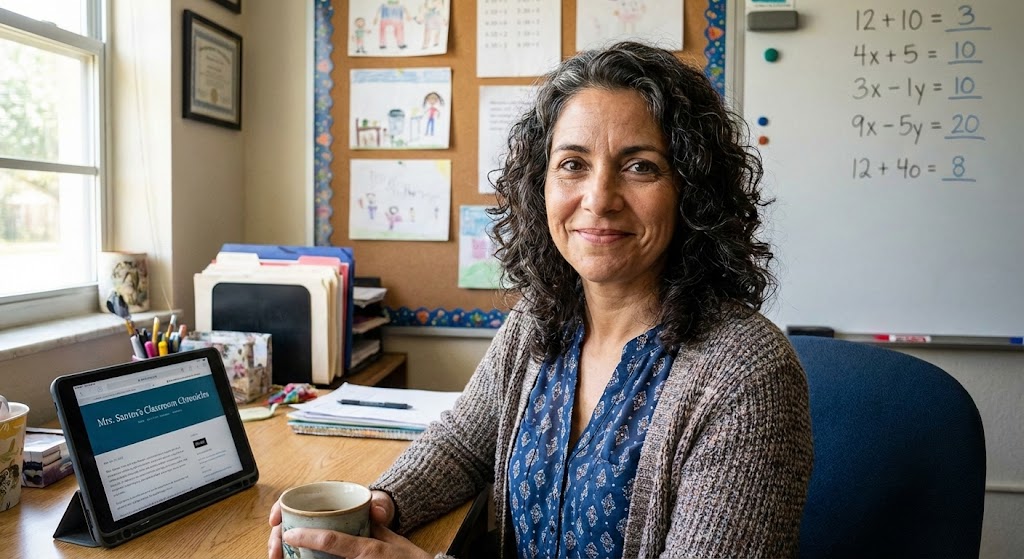
Maria Santos
Maria has been teaching 4th grade in Tampa, Florida for 22 years. Known as "the math whisperer" among her colleagues, she writes about the real challenges and victories of teaching in Florida's public schools.
When she's not grading papers or creating lesson plans, you can find Maria at her local teacher supply store (with coupons in hand) or sharing teaching tips over cafecito with her teacher friends.
View Full Profile →Related Articles
When Parents Say "My Child Would Never" (And What We Do Next)
Parent communication tip: Last Tuesday, I called Mrs. Rodriguez to discuss her son Miguel's behavior...
How to Talk to Parents About Test Scores Without Making Everyone Cry
Parent communication tip: Last week, I watched a parent's face crumple as I explained her daughter's...
Ready to Improve Your FAST Scores?
Upload your class data and get personalized IXL success plans in seconds.
Try It Free