The Conference Prep That Actually Makes Parents Want to Come Back
Last Tuesday, I watched Mrs. Rodriguez walk out of my classroom with tears in her eyes. Not because her daughter Sofia was failing, but because for the first time in four years of school conferences, a teacher had shown her something positive about her child.
That moment reminded me why I completely changed how I prep for parent conferences five years ago. Before that? Ay, Dios mio, I was doing everything wrong.
My Conference Horror Stories (So You Don't Repeat Them)
Let me paint you a picture of Maria circa 2008. I'd spend Sunday nights frantically printing test scores, highlighting everything in red that was below grade level, and basically preparing to deliver bad news to families who were already stressed about their kids.
Parents would sit across from me looking defeated before I even opened my mouth. Some stopped showing up altogether. I couldn't figure out why until Carlos asked me one night, "Mija, would you want to go to a meeting where someone only told you what your kid was doing wrong?"
Ouch. But he was right.
The Prep Work That Changed Everything
Now my conference prep starts three weeks before the actual meetings, and it's completely different. Here's what actually works:
Week Three: The Good Stuff Hunt
I start a conference folder for each student three weeks out. Every day, I'm looking for moments to document. Not just academic wins, pero the whole child.
Yesterday I wrote down that Marcus helped Aiden tie his shoes without being asked. Last week I noted that Camila explained a math concept to her table partner in both English and Spanish. These moments matter to parents more than you think.
Keep a sticky note on your desk and jot these down as they happen. Trust me, you'll forget them otherwise.
Week Two: The Academic Reality Check
This is when I look at the data, but not the way I used to. Instead of focusing on what's wrong, I ask three questions for each student:
- Where were they in August?
- Where are they now?
- What's the next realistic step?
Even if a kid is still below grade level, I can usually find growth. And parents need to hear about that growth first.
Week One: The Parent Prep
Here's something I learned the hard way. Parents are nervous too. Most of them had their own struggles in school, and sitting in a classroom brings back all kinds of feelings.
I send home a simple note (in English and Spanish) that says: "I'm excited to share all the wonderful things I've noticed about [child's name]. Come with any questions you have. We're a team."
That one sentence changes the whole tone before they even walk in.
The Conference Structure That Works
Start With the Heart (5 minutes)
I always begin with something specific and positive about their child as a person. Not "she's sweet" but "Last week, Sophia noticed that our class hamster looked sad and spent her recess time making him a new toy out of paper towel tubes."
Parents light up when you really see their kid. And once they know you care about their child as a whole person, they'll listen to everything else you have to say.
Show the Growth (10 minutes)
This is where I pull out work samples from August and now. Even if the August sample is three words and the current one is still just a paragraph, that growth is real and worth celebrating.
I use a simple folder system. Left side: where we started. Right side: where we are now. Middle: where we're headed next.
Problem-Solve Together (10 minutes)
If there are concerns, this is when I bring them up. But I never dump problems in a parent's lap without solutions. I come with three concrete strategies we can try, and I ask what they think will work best for their child.
"I've noticed Miguel struggles with math facts. Here are three things I'd like to try. Which one sounds like something that might work at home too?"
Make the Plan (5 minutes)
We end every conference with a clear next step. Not five goals, not a overwhelming list. One thing we're both going to focus on for the next month.
I write it down on a little card for them to take home. Simple, specific, doable.
The Magic Words That Change Everything
There are phrases I use in every single conference that completely change the dynamic:
"Your child is lucky to have you as their advocate."
"What do you see at home that I should know about?"
"What questions do you have for me?"
"How can I better support your family?"
That last one especially. When parents realize you want to help them help their child, everything shifts.
When Conferences Go Sideways
Let's be real. Sometimes parents are frustrated, and they have every right to be. Their child might be struggling, or they might have had bad experiences with other teachers.
I've learned to listen first. Really listen. Sometimes parents just need to be heard before they can hear you.
And if a parent gets upset? I don't take it personally anymore. They're not mad at me, they're worried about their kid. Once I realized that, these conversations became so much easier.
The Follow-Up That Matters
The conference doesn't end when they walk out your door. I send a quick email within two days summarizing what we talked about and reminding them of our next step.
A month later, I check in. "Just wanted to let you know I'm seeing improvement in [specific area we discussed]."
These little touchpoints build trust all year long.
Making It Sustainable
Here's the truth: this kind of conference prep takes time upfront, but it saves you so much energy in the long run. When parents trust you and feel like partners, everything else gets easier.
Plus, these aren't just better conferences. They're relationship builders. And strong parent relationships make our jobs so much more manageable all year long.
Your conferences don't have to be something you dread. They can be the foundation for real partnerships that help kids succeed.
Start small. Pick one thing from this list and try it for your next round of conferences. I promise you'll see the difference.
What's your biggest conference challenge? I'd love to hear how you're making these meetings work for your families.
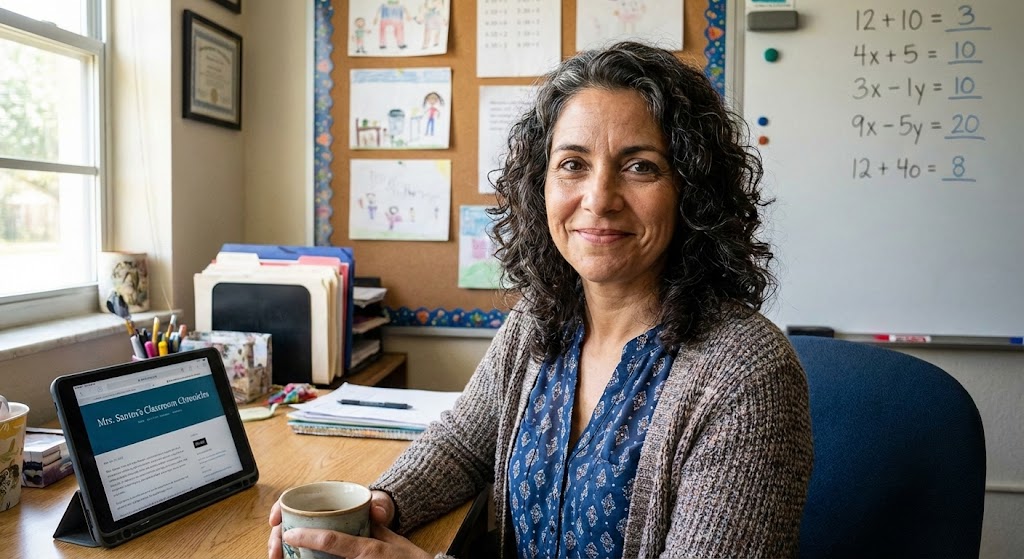
Maria Santos
Maria has been teaching 4th grade in Tampa, Florida for 22 years. Known as "the math whisperer" among her colleagues, she writes about the real challenges and victories of teaching in Florida's public schools.
When she's not grading papers or creating lesson plans, you can find Maria at her local teacher supply store (with coupons in hand) or sharing teaching tips over cafecito with her teacher friends.
View Full Profile →Related Articles
When Parents Say "My Child Would Never" (And What We Do Next)
Parent communication tip: Last Tuesday, I called Mrs. Rodriguez to discuss her son Miguel's behavior...
How to Talk to Parents About Test Scores Without Making Everyone Cry
Parent communication tip: Last week, I watched a parent's face crumple as I explained her daughter's...
Ready to Improve Your FAST Scores?
Upload your class data and get personalized IXL success plans in seconds.
Try It Free