The Parent Meeting That Changed How I Talk About Testing Week
Last Tuesday, I had a parent practically in tears during our conference. "Mrs. Santos," she said, "I'm so worried about the FAST test. What if Sophia doesn't pass? What if she gets held back?"
I handed her a tissue and thought about my own kids. When Daniela was in 4th grade, I was the same anxious mess, even as a teacher. Now, after 22 years and countless testing seasons, I've learned what parents really need to hear before their kids face those big assessments.
Here's what I wish someone had told me back then, and what I now share with every parent who walks into my classroom.
Your Child Is More Than a Test Score
I start every testing conversation with this truth: I've seen brilliant kids have bad testing days, and I've seen struggling students surprise everyone. The test gives us one snapshot, but I've been watching your child grow for months.
Take my student "Miguel" from three years ago. He was reading below grade level all year, but he had the most creative mind I'd ever encountered. His FAST scores didn't reflect his growth in confidence, his improved writing, or how he started helping other kids with math word problems.
The test matters, pero it doesn't define your child's worth or potential.
What Actually Helps (And What Doesn't)
Skip the Cramming
I used to think I needed to drill my kids right up until test day. Big mistake. The week before testing isn't when learning happens. It's when we reinforce confidence.
Instead of cramming, focus on these things:
Keep Routines Normal
Don't suddenly change bedtimes or breakfast foods. Kids need predictability right now, not new variables that might throw them off.
Talk About Effort, Not Results
"I'm proud of how hard you've been working" beats "You better get a good score" every single time. Trust me on this one.
Practice the Boring Stuff
You know what trips kids up more than hard questions? Not knowing how to navigate the computer interface or forgetting to use scratch paper. We practice these logistics in class, but a quick review at home helps too.
The Night Before: Less Is More
Here's what I tell parents to do the evening before testing:
Make your child's favorite dinner (within reason, mijas). Have a normal evening. Maybe read together or play a quiet game.
Skip the "big talk" about how important tomorrow is. Your kid already knows. Instead, remind them that you're proud of them no matter what.
Early bedtime, yes, but don't make it feel like punishment. "Tomorrow's a big day, so let's make sure you're rested" works better than "You HAVE to sleep NOW."
Testing Day Morning Magic
I've seen parents turn testing mornings into stress festivals. Don't be that parent.
Feed Them Well
Protein and complex carbs. Skip the sugary cereal that'll have them crashing by 10 AM. My go-to recommendation? Scrambled eggs with toast, or oatmeal with peanut butter. Carlos always jokes that I feed our kids like they're running a marathon, but hey, it works.
Arrive on Time (Not Early)
Getting to school 30 minutes early just gives anxious kids more time to worry. Regular arrival time is perfect.
Keep Your Energy Calm
Kids pick up on our anxiety like little emotional sponges. If you're stressed, they'll be stressed. Take some deep breaths before you drop them off.
What to Say (And What Not to Say)
Instead of: "Do your best!" Try: "I know you'll show what you know."
Instead of: "This test is really important." Try: "It's just another day to show your learning."
Instead of: "Don't be nervous." Try: "It's normal to feel a little nervous. You've got this."
That last one took me years to learn. We can't tell kids not to feel their feelings, but we can normalize them.
When Your Child Comes Home
The test is over. Your kid walks through the door. What do you do?
First, don't immediately ask how it went. Let them decompress. Some kids want to talk right away, others need space. Follow their lead.
When they're ready to share, listen without trying to fix anything. "The math was hard" doesn't need a response of "But you're good at math!" Sometimes they just need to vent.
Plan something fun but low-key. Ice cream, a movie, playing outside. Nothing that requires more brain power.
The Waiting Game
Results take weeks to come back. I know it's torture, but try not to obsess. Your child is the same kid they were before the test, regardless of the numbers we'll eventually see.
Use this time to celebrate all the growth that can't be measured. Did they become more confident readers? Better at explaining their thinking? Kinder to classmates? Those victories matter just as much.
If the News Isn't Great
Sometimes test results disappoint us. I've been there with my own kids and with hundreds of students. Here's what I've learned:
One test doesn't predict your child's future. I have former students who struggled with 4th grade FAST but went on to graduate high school with honors. I have others who aced every test but needed different kinds of support later.
Focus on growth, not gaps. If your child moved from a Level 1 to a Level 2, that's progress worth celebrating, even if it's not where we ultimately want them to be.
Remember Why We're Here
After two decades in Title I schools, I've seen how testing can consume us. But here's what I want every parent to remember: we test kids to help them, not to judge them.
These scores help me plan better lessons, identify who needs extra support, and celebrate growth. They're tools, not verdicts.
Your child is creative, funny, kind, curious, and capable of amazing things. A test score is just one small piece of their story.
You've Got This, Parents
Testing season is stressful for all of us. But remember, we're a team. I'm here to support your child, and I'm here to support you too.
If you have questions after results come back, please come talk to me. If your child seems stressed about testing, let me know. We're in this together.
And parents? Take care of yourselves too. Your kids need you to model that calm confidence we're all aiming for.
Breathe, trust your child, and remember that this too shall pass. Before you know it, we'll be planning end-of-year celebrations and talking about summer reading lists.
What questions do you have about testing season? Drop me a line. We're all figuring this out together, one test at a time.
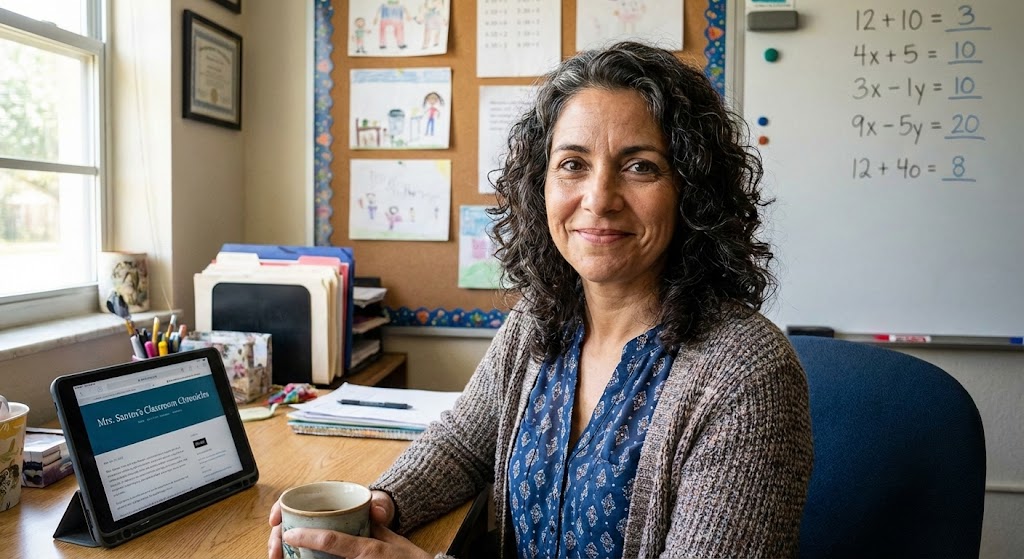
Maria Santos
Maria has been teaching 4th grade in Tampa, Florida for 22 years. Known as "the math whisperer" among her colleagues, she writes about the real challenges and victories of teaching in Florida's public schools.
When she's not grading papers or creating lesson plans, you can find Maria at her local teacher supply store (with coupons in hand) or sharing teaching tips over cafecito with her teacher friends.
View Full Profile →Related Articles
How I Actually Recover After Testing Season (And Help My Kids Do the Same)
FAST test prep tip: Last April, about three days after our final round of FAST testing wrapped up, I...
How I Help My Students (and Myself) Bounce Back After FAST Testing
FAST test prep tip: Last week, I watched little Sofia slump into her seat after our final FAST sessi...
Ready to Improve Your FAST Scores?
Upload your class data and get personalized IXL success plans in seconds.
Try It Free