The Parent Pep Talk That Actually Works (My Go-To Script for Testing Week)
Last Tuesday, I watched little Sofia's mom pace outside my classroom door like she was waiting for medical test results. When I finally got her attention, she blurted out, "Mrs. Santos, what if Sofia fails the FAST? What if she doesn't pass fourth grade?"
Ay, mi corazón. I've had this exact conversation about 847 times in my career, and it breaks my heart every single time.
Here's the thing, fellow teachers. We know testing week brings out the anxiety in everyone, but parents? They're carrying fears we might not even realize. So I've developed what I call my "Parent Pep Talk" over the years. It's honest, it's reassuring, and it actually helps families navigate testing week without losing their minds.
Start With What They Need to Hear Most
The first thing I tell every parent is this: "Your child is so much more than one test score, and I see their growth every single day."
I mean it, and they need to hear it.
Then I get specific. I tell them about the time their kid helped a struggling classmate with fractions. Or how they've improved their reading fluency since September. Or that moment when they finally understood long division and their face just lit up.
Parents are drowning in testing anxiety because they think this one assessment defines their child's entire future. Our job is to remind them of the bigger picture.
The Practical Stuff They Actually Need to Know
After the warm and fuzzy part, I get down to business. Here's what I cover in every pre-testing conversation:
Sleep matters more than cramming. I tell parents to stick to normal bedtime routines. No last-minute drilling of math facts at 9 PM. Trust me, I learned this the hard way when my own Daniela was in elementary school and I kept her up late "reviewing" before her state test.
Breakfast is non-negotiable. I don't care if your kid usually skips breakfast. Testing week is different. Their brain needs fuel, and I've seen too many kids crash halfway through a math section because they only had a Pop-Tart.
Arrive on time but not crazy early. Getting to school 45 minutes early just gives anxious kids more time to work themselves up. Normal arrival time is perfect.
What I Don't Tell Them (But Probably Should)
Here's where I get real with you, teachers. There are things I don't usually share with parents because, honestly, they're already stressed enough.
I don't tell them that I spend weeks before testing analyzing every piece of data I have. Last month, my colleague Yolanda showed me this tool called FastIXL that matches FAST scores to specific IXL skills, and it's been helping me identify exactly where each kid needs support. But parents don't need to know about all the behind-the-scenes work we do.
I also don't mention that some of their kids will probably have meltdowns during testing. Or that the air conditioning might break (because this is Florida and it always breaks at the worst possible moment). Or that despite all our preparation, some perfectly capable kids will just have an off day.
They don't need that stress. We can handle it.
The Questions They Always Ask
"Should we do practice tests at home?"
My answer: Only if your child asks for it. Don't turn your kitchen table into a testing center. If they want to review, keep it light and short.
"What if they don't finish in time?"
I explain that most kids do finish, and we give them plenty of time. Plus, I remind them that their child has been practicing timed work all year. They're more prepared than they think.
"Can you tell me how they're doing during the test?"
Nope, and I explain why. But I also tell them I'll be watching to make sure their child feels supported and confident.
The Conversation About Failure
This is the hard one, pero it's necessary.
Some parents need to hear that even if their child doesn't meet expectations on this particular test, it doesn't mean they're failing as parents or that their kid isn't smart. I've had brilliant students who just don't test well, and I've had average students who happen to be testing superstars.
I share stories (without names, obviously) of former students who struggled with state tests but went on to do amazing things. Like Miguel, who barely passed his third-grade FCAT but is now in high school honors classes. Or Emma, who had testing anxiety so bad she threw up every year, but she's currently studying engineering in college.
Tests measure one thing on one day. They don't measure creativity, kindness, persistence, or any of the other qualities that actually matter in life.
What I Need From Them
After I've done all the reassuring, I flip the script. I tell parents what I need from them during testing week.
Stay calm. Kids pick up on our anxiety like little emotional sponges. If you're stressed, they'll be stressed.
Trust the process. We've been preparing for this all year. Every lesson, every assignment, every review session has been building toward this moment.
Keep perspective. This test is important, but it's not everything. Your child's worth isn't determined by a number on a report.
The Follow-Up Promise
I end every conversation with a promise: "No matter what happens with this test, we're going to keep working together to help your child grow."
Because that's what this is really about, isn't it? Growth. Progress. Learning.
The FAST test is just one snapshot. We're developing the whole child, and that work doesn't stop when testing week ends.
For My Fellow Teachers
If you're having these conversations with parents (and I know you are), remember that they're coming from a place of love and worry. They want the best for their kids, just like we do.
Be patient with the anxious mom who emails you twelve times. Be understanding with the dad who asks the same question three different ways. They're not trying to drive us crazy. They're just scared.
And remind yourself that you've prepared these kids as best you can. You've given them the tools, the knowledge, and the confidence they need. Now it's time to trust them to show what they know.
We've got this, teachers. And more importantly, our kids have got this too.
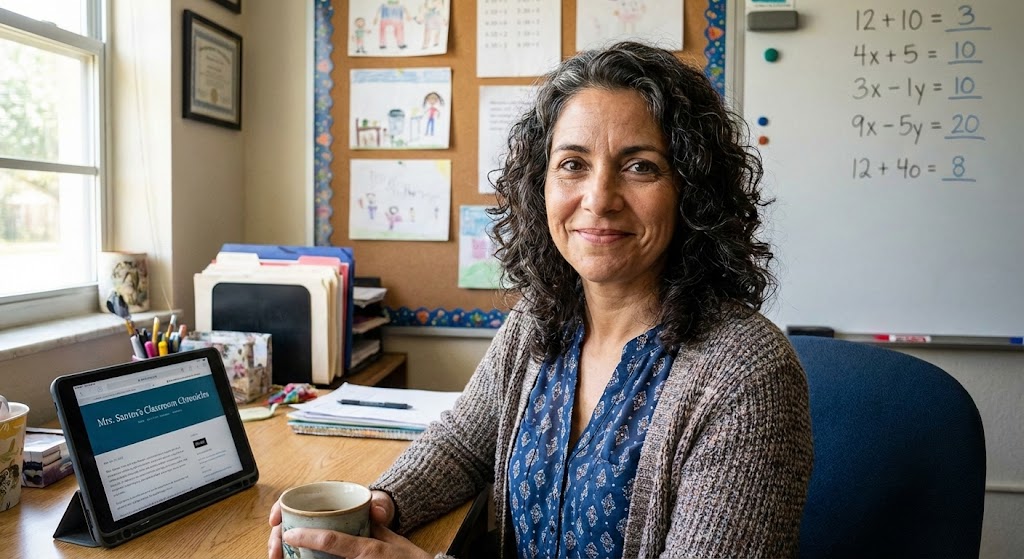
Maria Santos
Maria has been teaching 4th grade in Tampa, Florida for 22 years. Known as "the math whisperer" among her colleagues, she writes about the real challenges and victories of teaching in Florida's public schools.
When she's not grading papers or creating lesson plans, you can find Maria at her local teacher supply store (with coupons in hand) or sharing teaching tips over cafecito with her teacher friends.
View Full Profile →Related Articles
How I Actually Recover After Testing Season (And Help My Kids Do the Same)
FAST test prep tip: Last April, about three days after our final round of FAST testing wrapped up, I...
How I Help My Students (and Myself) Bounce Back After FAST Testing
FAST test prep tip: Last week, I watched little Sofia slump into her seat after our final FAST sessi...
Ready to Improve Your FAST Scores?
Upload your class data and get personalized IXL success plans in seconds.
Try It Free