What I Tell Parents Before Testing Week
Last Tuesday, little Sofia came to school with dark circles under her eyes. When I asked what was wrong, she whispered, "My mom said if I don't do good on the test, I might have to repeat fourth grade." Ay, my heart just broke.
This conversation happens every year, and it reminds me why I started sending a letter home before FAST testing begins. After 22 years of watching kids stress themselves sick over these tests, I've learned that what we tell parents makes all the difference.
So here's what I share with families, and maybe it'll help you craft your own message to parents.
The Real Talk About What These Tests Actually Measure
First, I'm honest about what FAST testing can and cannot do.
I tell parents that yes, these tests give us useful information about where their child stands academically. But they're like taking a snapshot on one particular day. If your child had a fight with their sibling that morning, or forgot to eat breakfast, or is worried about something at home, that snapshot might not show their true abilities.
I share this story every year: During my third year teaching, I had a student named Miguel who was brilliant in math. This kid could solve problems in his head that stumped other students with calculators. But he bombed the state test because his parents were going through a divorce and he couldn't focus. The test said he was "below basic." I knew better.
That's why I tell parents the test is just one piece of the puzzle. I've been watching their child learn and grow for months. I know what they can do.
What Really Happens During Testing
Parents imagine all sorts of scary scenarios about testing week, so I paint them a realistic picture.
I explain that we make the classroom as comfortable as possible. We have extra pencils, tissues, and even peppermints (the principal's secret weapon). I tell them their child will have plenty of time and can take breaks if needed.
Most importantly, I let them know that I'll be there the whole time. I can't help with answers, pero I can give encouraging smiles and thumbs up. I remind them that their child has been practicing these types of questions all year. They're ready.
The Pep Talk I Give About Preparation
Here's where I get practical with families.
The best thing parents can do is keep everything normal the week before testing. Don't suddenly start drilling math facts or buying special "brain food." Don't mention the test every five minutes. Kids pick up on our anxiety faster than we realize.
Instead, I suggest they focus on the basics: good sleep, healthy meals, and maybe an extra bedtime story. I tell them to trust that we've been preparing all year long. Every lesson, every assignment, every small victory has been building toward this moment.
I also give them permission to keep their child home if they're genuinely sick. A feverish kid won't perform well anyway, and we can always arrange a makeup session.
How to Talk to Their Child
This is the part that makes the biggest difference.
I tell parents to avoid saying things like "This test is really important" or "You need to do your best." Kids already know it's important (we've been talking about it for weeks), and telling them to do their best just adds pressure.
Instead, I suggest they say something like: "You've been learning so much this year, and tomorrow you get to show some of what you know. Mrs. Santos and I are proud of you no matter what."
I share what I learned from my own kids. When Daniela was in elementary school, I made the mistake of over-emphasizing test day. She threw up from nerves. With Marcus, I kept it simple: "It's just another day at school, mijo. You've got this."
The Truth About Scores and What Comes Next
Parents need to know that one test score doesn't determine their child's future.
I explain that if the scores come back lower than expected, we have options. We can look at retesting, we can examine other evidence of their child's progress, and we can make plans for additional support if needed.
I also tell them something I wish someone had told me as a new teacher: these tests are designed so that not every child will score at the highest level. That's how they work. It doesn't mean our kids aren't smart or that we're failing as parents or teachers.
What I Really Want Them to Know
Here's the heart of my message to families.
Their child is so much more than a test score. I've seen them collaborate with classmates, solve problems creatively, show kindness to others, and grow in ways that no test can measure.
I remind parents that I chose to teach their child because I believe in them. Every single one of them has strengths and gifts that make our classroom better. A test score won't change that.
I also let them know that no matter what happens, we're a team. If their child needs extra support, we'll figure it out together. If they exceed expectations, we'll celebrate together. Either way, we'll keep moving forward.
The Follow-Up That Matters
After testing is over, I make sure to check in with families.
I send a quick note home thanking parents for their support and reminding them that scores are just one piece of information. When the results come back, I schedule individual conversations with any families who want to discuss what the numbers mean and what our next steps might be.
Most importantly, I make sure kids know that my opinion of them hasn't changed based on how they performed on the test. They're still the same amazing students they were before testing week.
A Final Thought
Every year, I have parents thank me for "keeping it real" about testing. They appreciate knowing what to expect and how to help without adding stress.
The truth is, our kids are resilient. They can handle these tests just fine when the adults in their lives stay calm and supportive. Our job isn't to eliminate all stress (a little nervous energy can actually help), but to keep things in perspective.
So whatever you decide to share with your families, remember that your calm confidence will become their calm confidence. And that's exactly what our kids need from us.
Trust the process, trust your students, and trust that you've prepared them well. They've got this, and so do we.
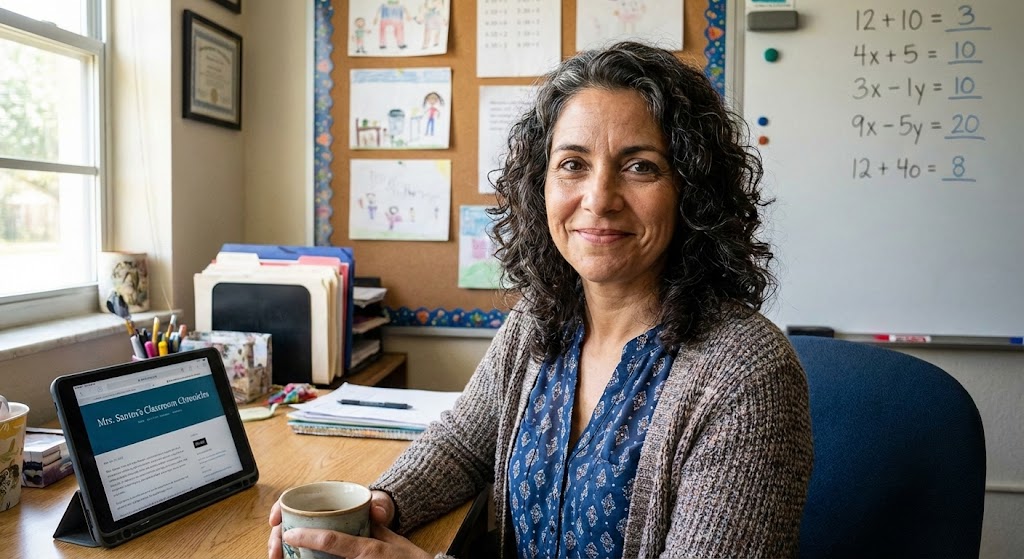
Maria Santos
Maria has been teaching 4th grade in Tampa, Florida for 22 years. Known as "the math whisperer" among her colleagues, she writes about the real challenges and victories of teaching in Florida's public schools.
When she's not grading papers or creating lesson plans, you can find Maria at her local teacher supply store (with coupons in hand) or sharing teaching tips over cafecito with her teacher friends.
View Full Profile →Related Articles
How I Actually Recover After Testing Season (And Help My Kids Do the Same)
FAST test prep tip: Last April, about three days after our final round of FAST testing wrapped up, I...
How I Help My Students (and Myself) Bounce Back After FAST Testing
FAST test prep tip: Last week, I watched little Sofia slump into her seat after our final FAST sessi...
Ready to Improve Your FAST Scores?
Upload your class data and get personalized IXL success plans in seconds.
Try It Free