What I Tell Parents Before Testing Week (And Why It Actually Matters)
Last Tuesday, little Sofia came to my classroom with tears streaming down her face. Her mom had spent the entire car ride to school reminding her that "this test determines everything" and that she needed to "try her absolute hardest or else." By the time Sofia reached my desk, she was so worked up she couldn't even remember her own name, let alone tackle a math problem.
This is exactly why I send home my annual "Before Testing Week" letter to parents. Because honestly? Sometimes the adults are more stressed about these tests than the kids are.
The Reality Check We All Need
After 22 years in Florida classrooms, I've seen testing seasons come and go. I've watched FCAT turn into FSA turn into FAST, and you know what I've learned? The test scores matter, sure, but they don't define our kids. They never have, and they never will.
But try telling that to a parent who's been hearing about "accountability" and "school grades" for months. I get it. The pressure feels real because, well, it is real. Schools get graded, teachers get evaluated, and parents worry their child will somehow fall through the cracks.
That's why I've made it my mission to have real conversations with families before testing week arrives.
What I Actually Tell Parents
Here's the thing, and I'm going to be completely honest with you. When I write to parents, I don't sugarcoat the importance of these tests. But I also don't let fear drive the conversation.
First, I remind them that their child is more than a test score. I tell them about Marcus (not my son, my student Marcus) who struggled with FAST last year but created the most incredible science fair project I've ever seen. Or about Isabella, who may not excel in standardized reading but can solve peer conflicts better than most adults I know.
Second, I give them practical ways to help without adding pressure. Instead of drilling practice problems, I suggest they focus on good sleep, healthy meals, and normal routines. Ay, Dios mio, the number of parents who think staying up late to cram will somehow help their fourth grader perform better on a math test.
Third, I share what actually happens during testing. Many parents imagine their kids sitting in some sterile, intimidating environment. I explain that we keep the classroom comfortable, that I'm there to help with technical issues, and that we take breaks when needed.
The Conversation That Changed Everything
Three years ago, I had a parent conference that completely shifted how I approach testing season. Carmen's mom, Mrs. Rodriguez, came in convinced her daughter was "stupid" because she'd heard other parents talking about practice scores and tutoring and summer programs.
I pulled out Carmen's portfolio. Her creative writing pieces, her math journals, her science observations. We spent an hour looking at her actual growth, her real learning, her genuine curiosity about the world.
"But what about the test?" Mrs. Rodriguez asked.
"Carmen will take the test," I said. "She'll do her best. And then we'll keep teaching her and loving her and helping her grow, no matter what those numbers say."
That mom left my classroom crying, but this time they were tears of relief.
What Parents Really Need to Hear
Here's what I've learned works when talking to families about testing:
Acknowledge their fears without feeding them. Yes, these tests matter in our current system. No, they don't determine your child's future success or happiness.
Give them concrete actions that actually help. Pack a good breakfast. Make sure your child gets enough sleep. Send them to school with a smile and a hug. That's it. That's the list.
Remind them of their child's strengths. Before testing week, I send home a personalized note about each student. I tell parents one specific thing their child does well, something I've observed that has nothing to do with test performance.
Explain what happens next. Parents need to know that learning doesn't stop after testing week. We don't spend May twiddling our thumbs waiting for scores. We keep teaching, keep growing, keep discovering.
The Scripts That Actually Work
When parents ask me directly about test prep, here's what I say:
"Your child has been preparing for this test all year long. Every lesson, every assignment, every moment of learning has been preparation. The best thing you can do now is trust that preparation and keep things normal at home."
When they worry about their child's anxiety, I tell them:
"It's normal for kids to feel nervous about tests. But anxiety comes from the unknown. We've practiced using the computer, we know what the questions look like, and we know that this test is just one way to show what we've learned."
When they ask about results, I'm honest:
"These scores will tell us some things about your child's academic progress. They won't tell us about their creativity, their kindness, their problem-solving abilities, or their potential. We'll use the information to help with instruction, but we'll never use it to limit what your child can achieve."
What I Wish Every Parent Knew
Testing week isn't about proving your child's worth. It's not about validating your parenting or determining their future college prospects. It's simply a snapshot of academic performance on one particular week in spring.
I've seen kids who struggle with standardized tests go on to become incredible artists, engineers, teachers, and leaders. I've also seen kids who ace every test struggle with real-world problem solving.
The magic happens in our classrooms every single day. It happens when kids help each other, when they ask amazing questions, when they make connections between ideas. Most of that magic can't be measured by any test, and that's perfectly fine.
Moving Forward Together
So here's what I'm asking from all of us this testing season. Let's support our kids without adding pressure. Let's acknowledge that tests exist without making them the center of our universe. Let's remember that good teaching and good parenting happen in the moments between the tests, not just during them.
Your child is going to be okay. More than okay, actually. They're going to learn and grow and surprise you in ways that have nothing to do with any score they receive.
And that's the truth I share with every parent, every year, because after 22 years of doing this job, I know it's the truth that matters most.
Trust your kids. Trust your teachers. Trust the process. We've got this, together.
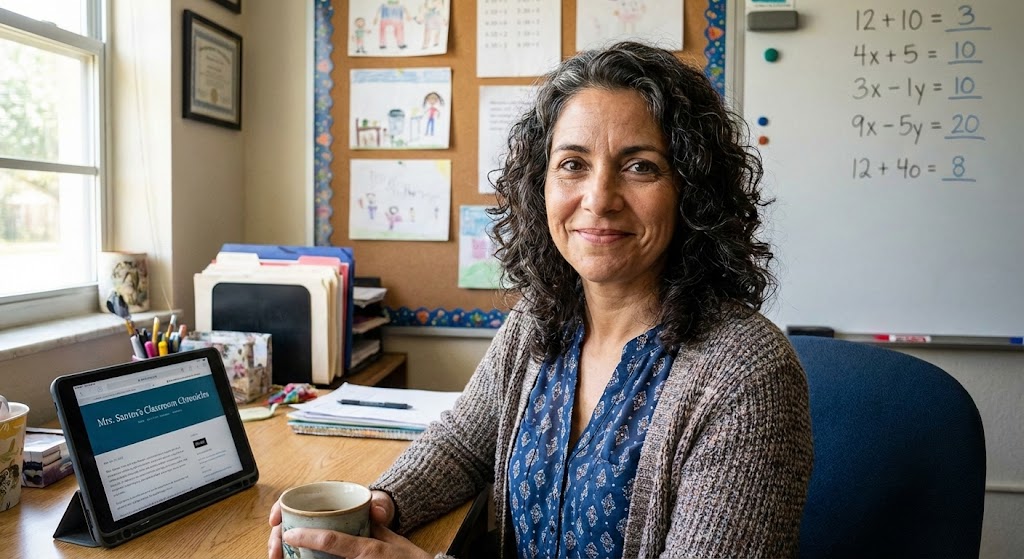
Maria Santos
Maria has been teaching 4th grade in Tampa, Florida for 22 years. Known as "the math whisperer" among her colleagues, she writes about the real challenges and victories of teaching in Florida's public schools.
When she's not grading papers or creating lesson plans, you can find Maria at her local teacher supply store (with coupons in hand) or sharing teaching tips over cafecito with her teacher friends.
View Full Profile →Related Articles
How I Actually Recover After Testing Season (And Help My Kids Do the Same)
FAST test prep tip: Last April, about three days after our final round of FAST testing wrapped up, I...
How I Help My Students (and Myself) Bounce Back After FAST Testing
FAST test prep tip: Last week, I watched little Sofia slump into her seat after our final FAST sessi...
Ready to Improve Your FAST Scores?
Upload your class data and get personalized IXL success plans in seconds.
Try It Free